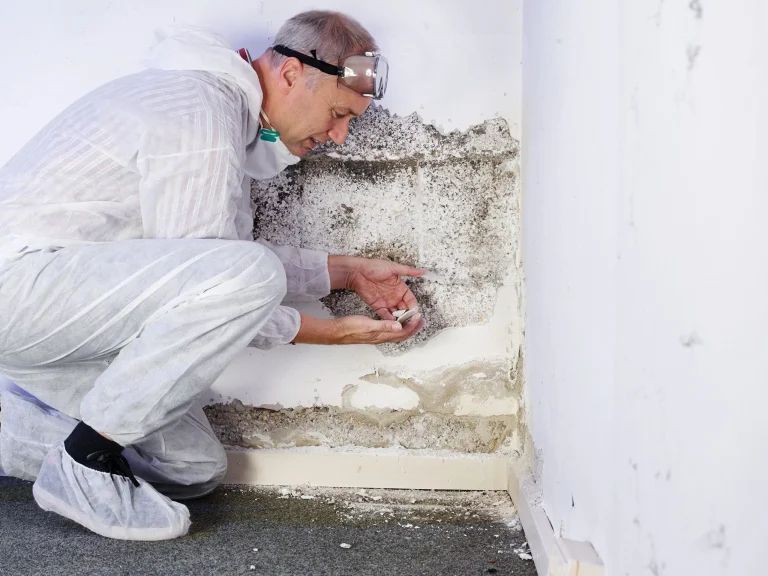
Advice on damp walls

Rising damp, condensation and penetrating damp: explore our advice to recognise the source of moisture and choose an approach suited to your building.

Discover ATE and ATG devices intended for rising damp and compare coverage diameters, installation manuals and placement requirements.

BEFORE YOU CHOOSE

Could it be rising damp in your walls?

Three questions to help you find your way, then articles to understand and choose.

Question 1 of 3

Are the marks at the bottom of the wall?

These three signs guide your investigation; they do not confirm a diagnosis on their own.

Articles to help you go further

References, media, technical explanations, comparisons and installation examples: explore the articles below.

All articles

Selected guides on this subject · 23 articles

Understand the problem

anti-damp-device

Saltpetre on walls: what should you do?

White powdery or crystalline deposits may be salts carried to the surface by moisture. “Saltpetre” is often used loosely. Appearance alone does not identify the salt or establish the water source. Look at the deposit and its surroundings…

Read the article
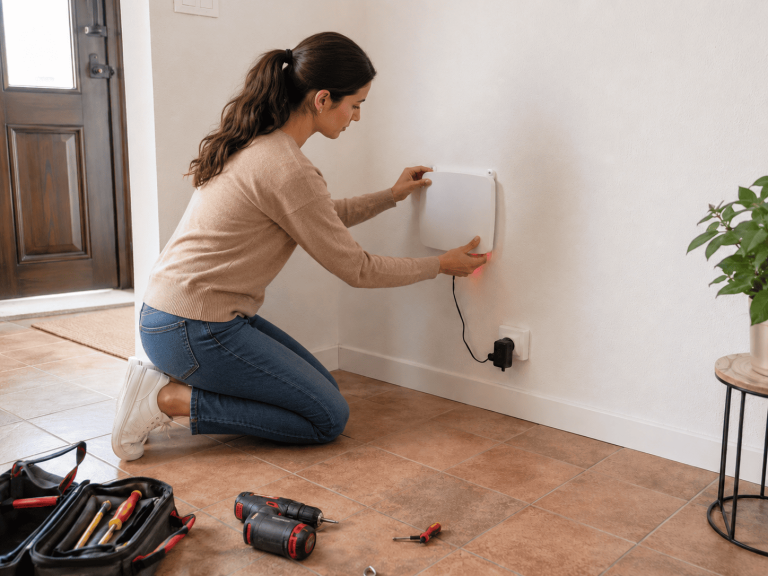
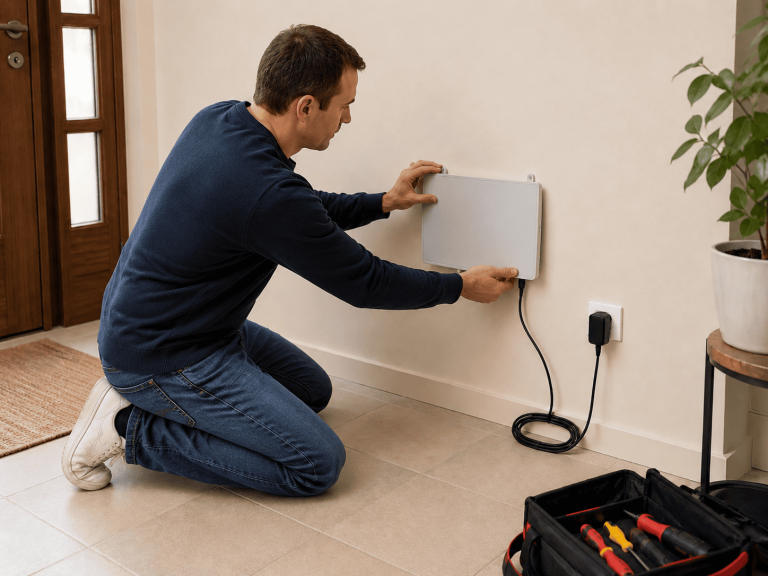
ATE PULSE – Humidistop

Rising damp: signs to recognise at home

Rising damp describes water moving from the ground through pores in masonry materials. Low-level marks can be consistent with it, but the building, water sources and measurement method must be considered together. No single visible sign establishes the…

Read the article
November 18, 2026

A black ATE in Dos-d’Âne: a customer shares their wall mounting

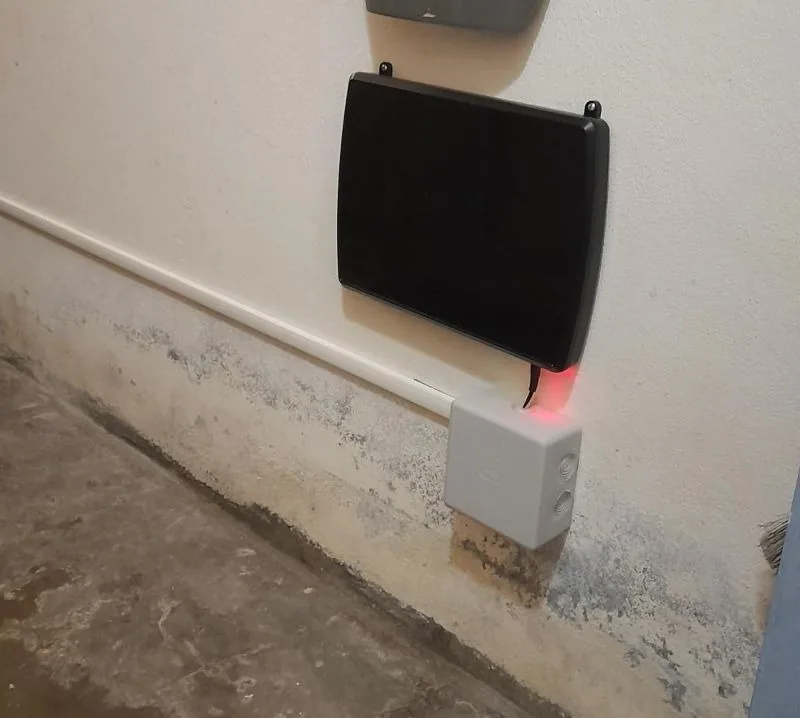
This customer photo from Dos-d’Âne shows a black ATE on the wall, with its cable running down towards an electrical box. Damaged finishes remain visible lower down: this is an installation photo, not a before-and-after result.
November 18, 2026

An ATE on a painted wall in Plaine-des-Cafres: a customer installation

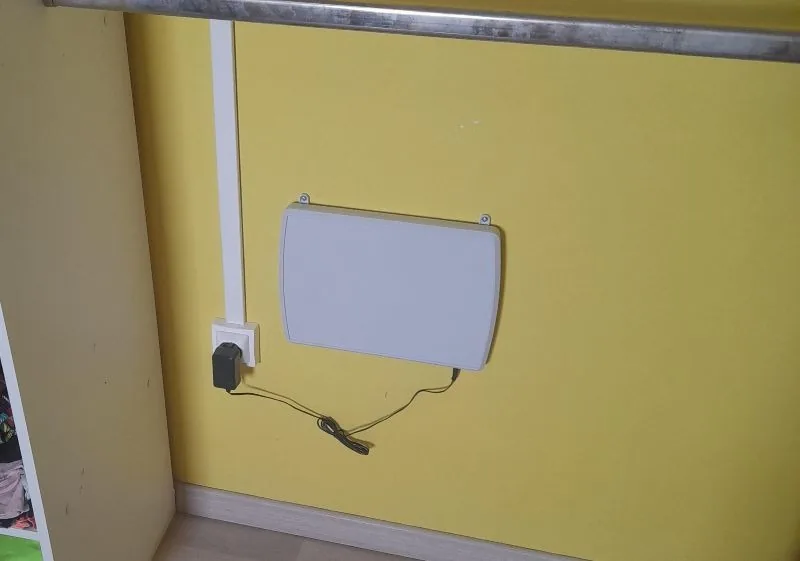
In Plaine-des-Cafres, a customer fitted their ATE to a yellow painted wall. The photo shows the upper fixing points, the cable and a nearby plugged-in power supply. It helps you picture an installation in an already furnished room.