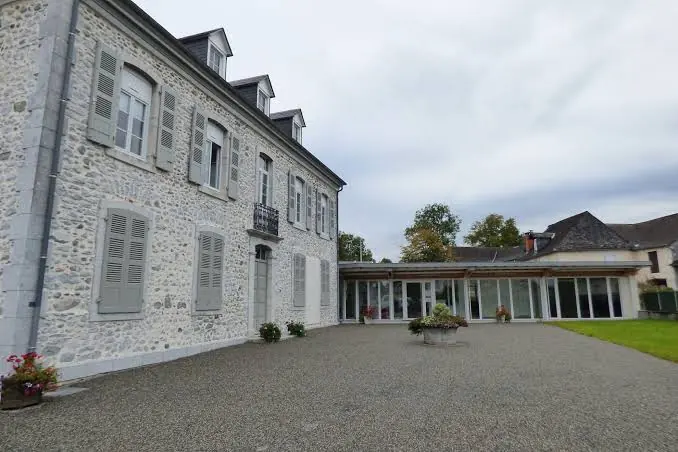
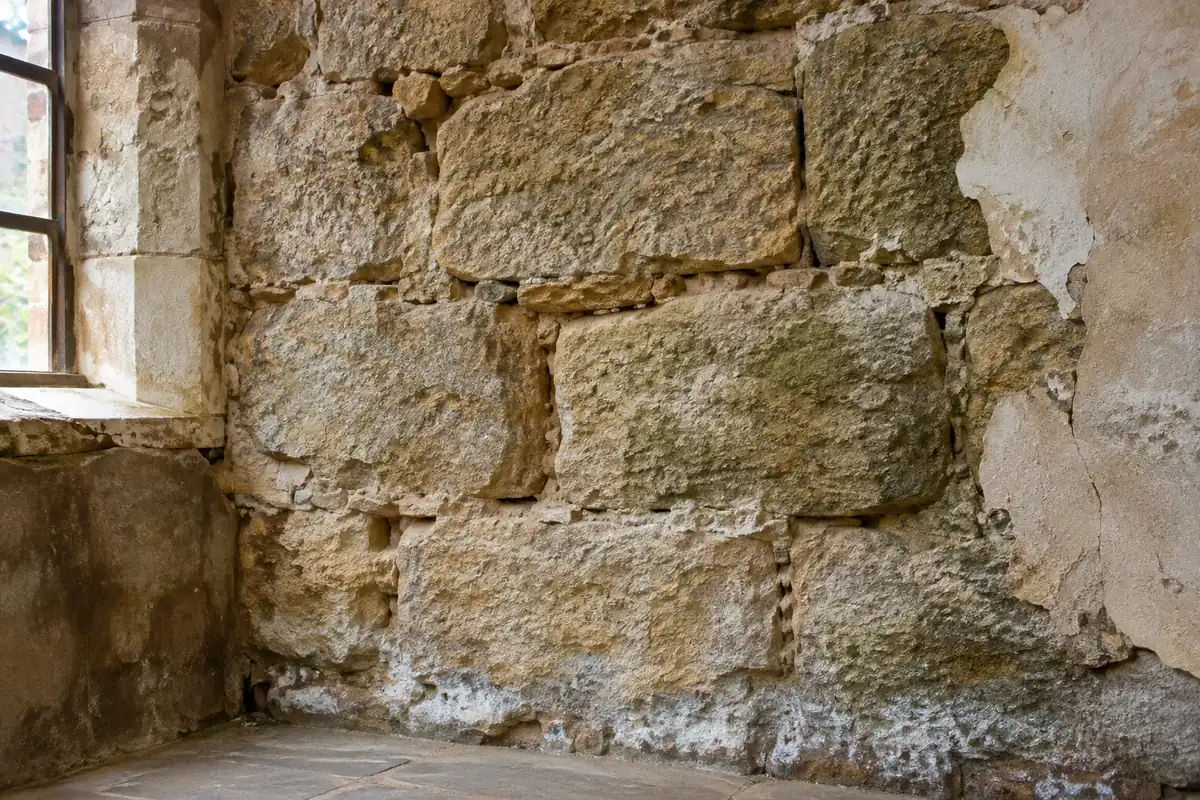
Preserving a historic town hall means protecting a building used by its community. At Bardos in France, the Humidistop case file records initial samples and a later inspection in four areas affected by rising damp.
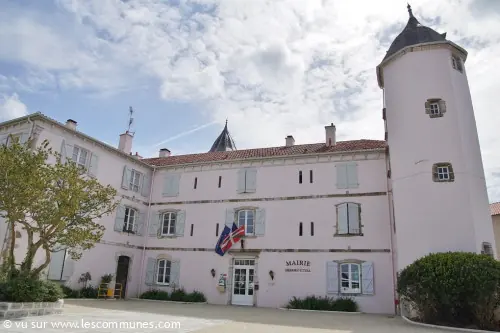
Photographs of Buzy town hall in France show the transformation of a public stone building before and after renovation. The installation report identifies the Humidistop intervention and distinguishes this site from the church and the senior citizens’ hall in the same village.
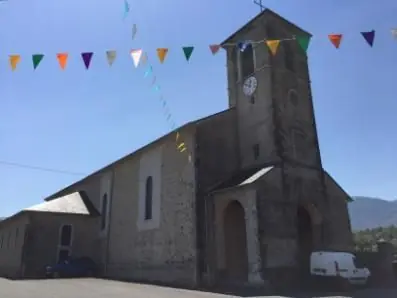
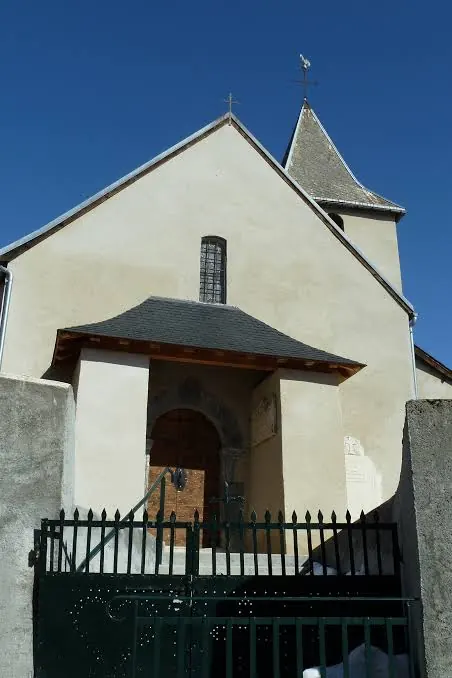
The walls of an old church require attention to masonry materials, coatings and ventilation. The Humidistop file for Buzy church in France documents an intervention within this heritage context.
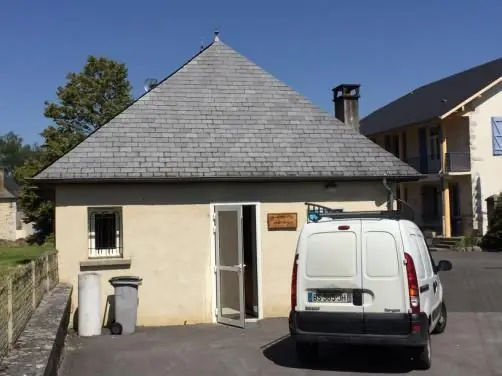
Community buildings also need documented monitoring of their masonry. At the senior citizens’ hall in Buzy, France, an installation report and later inspection allow one sampling point to be followed over time.
At Ponsonnas church in France, the Humidistop file compares two stone sampling points between installation in 2015 and inspection in 2017. Before-and-after renovation photographs complement the record of the building.
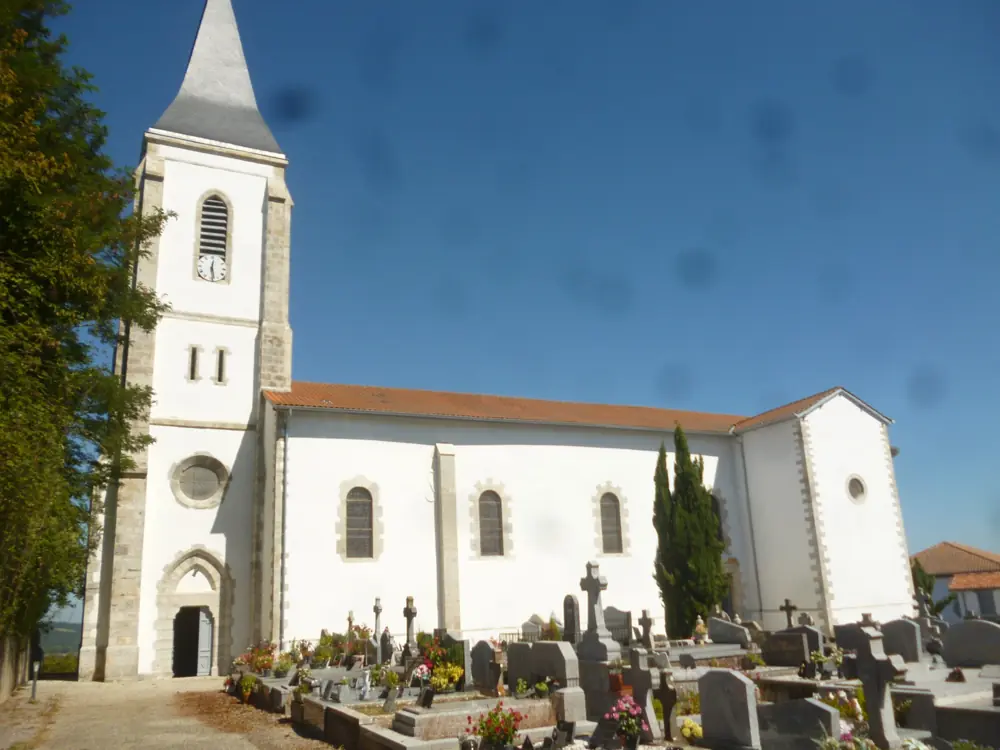
Photographs of Saint-Jean-Baptiste church in Guiche, France, show visible changes to the façades and bell tower following renovation. The case file links these images with a works attestation identifying Humidistop’s rising-damp intervention.
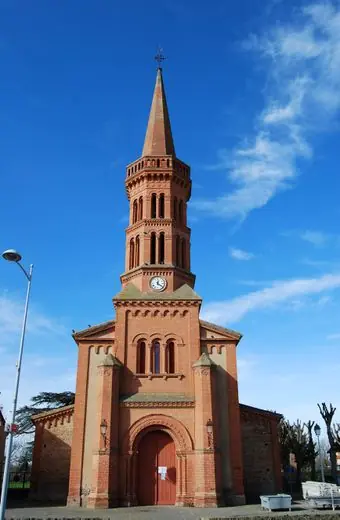
Restoration of Sainte-Anne church in Labastidette, France, included a Humidistop intervention on damp masonry. The technical memorandum, works attestation and inspection report provide evidence beyond the appearance of the finishes.
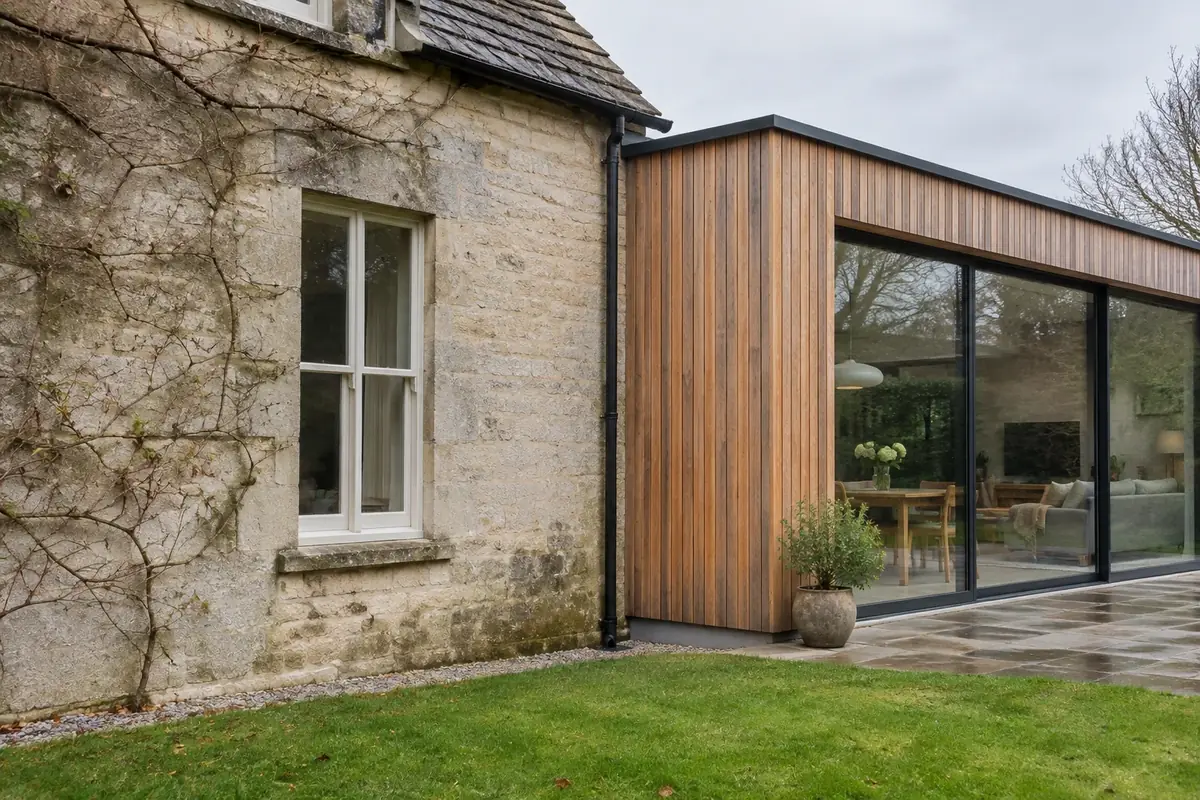
Rising damp in a house extension: distinguish old and new walls, floor levels and layout. Prepare an ATE or ATG choice using the full plan of your property.
Stone walls and rising damp: separate the moisture source, damaged mortar and finishing work. Prepare your ATE or ATG project with clear practical guidance.