Wall drying time: what should you expect?
May 13, 2026
Damp in an old house: gentle solutions
May 13, 2026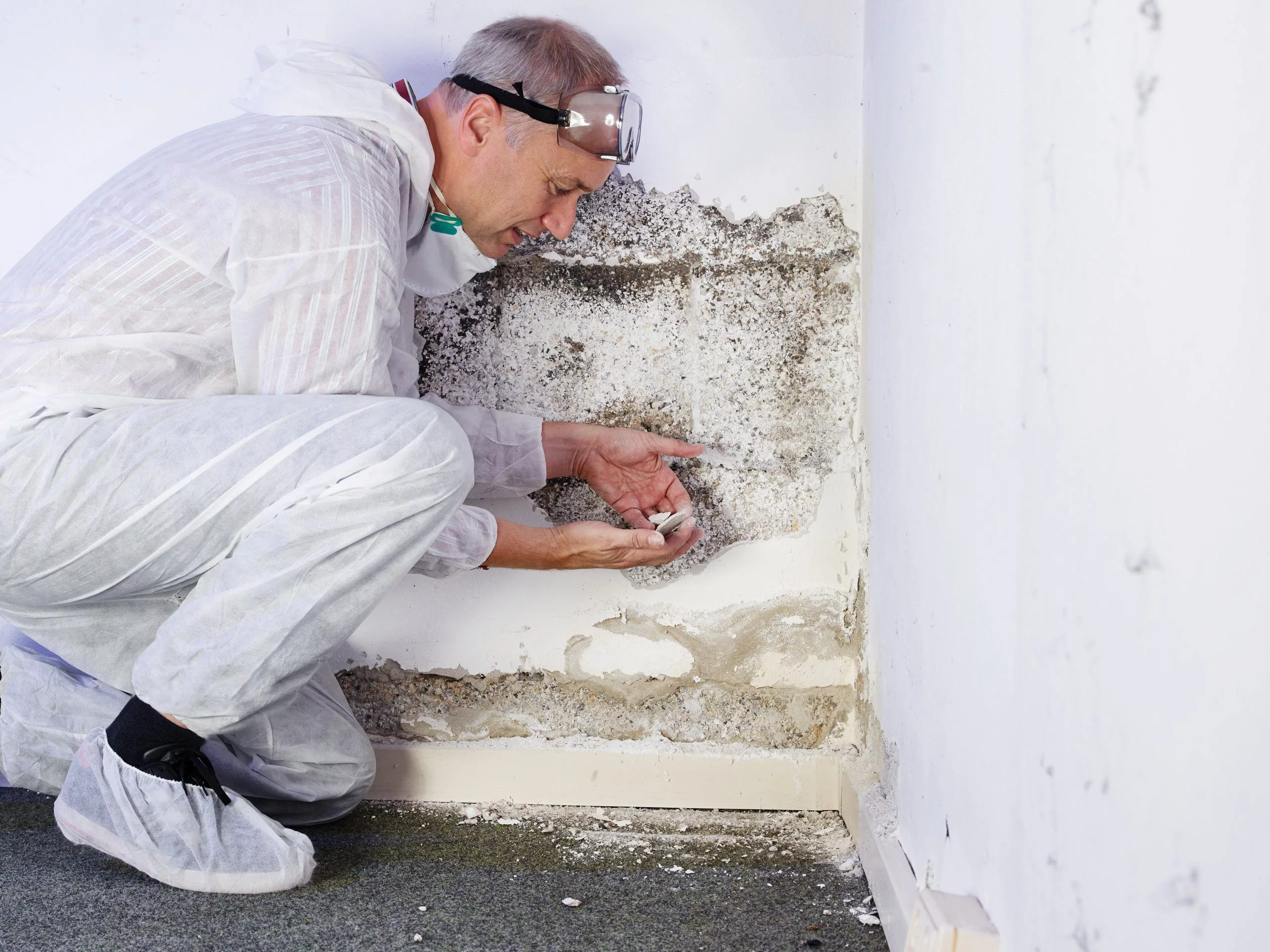
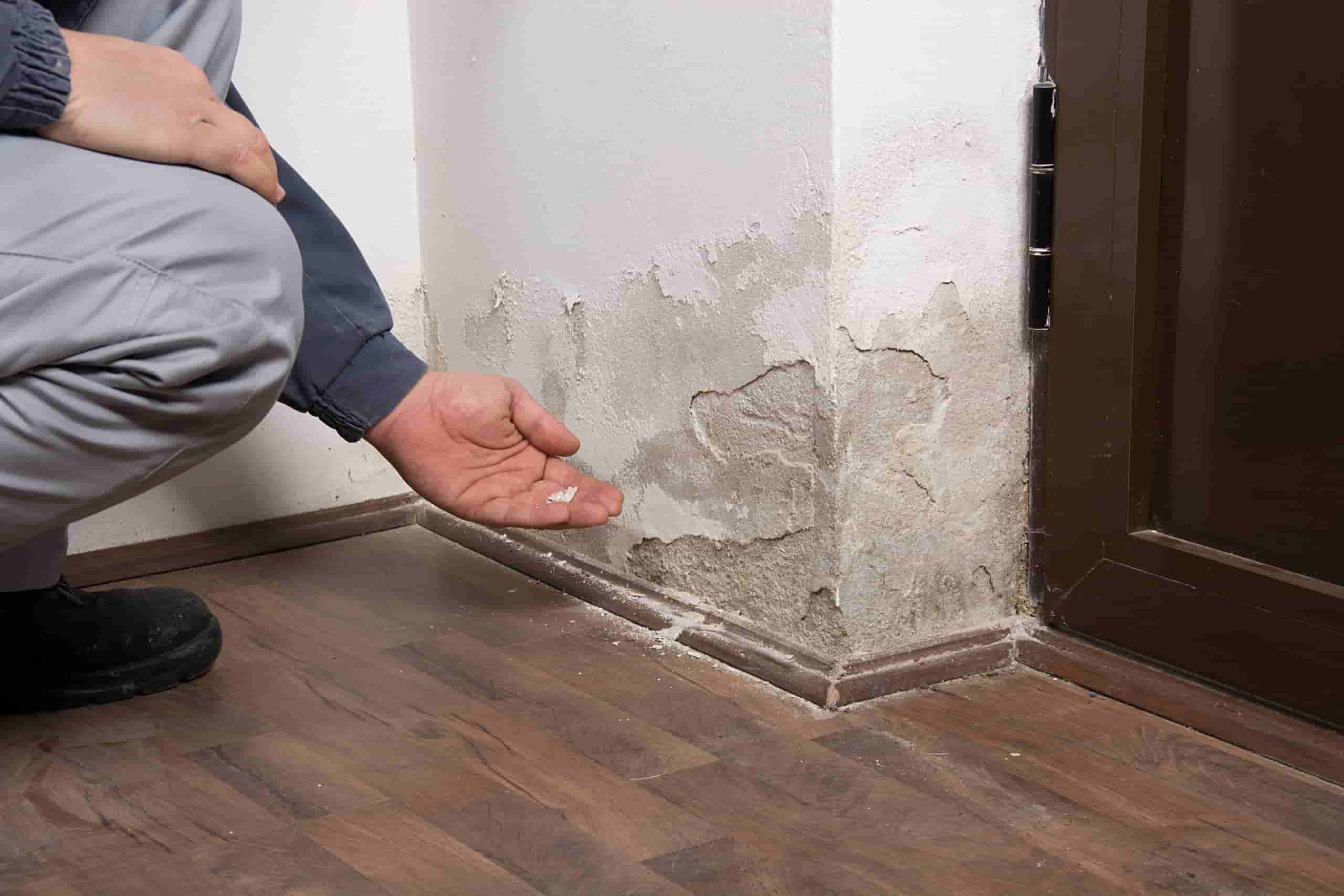
White powdery or crystalline deposits may be salts carried to the surface by moisture. “Saltpetre” is often used loosely. Appearance alone does not identify the salt or establish the water source.
Look at the deposit and its surroundings
Photograph its position, height and the condition of paint and plaster. Note recurrence after cleaning and changes after rain. A fluffy-looking patch may differ from a mineral deposit. If uncertain, seek identification before applying products at random.
Find the moisture route before finishing
Consider leaks, façade penetration, ground contact and condensation in the building’s context. Existing salts can continue to affect the wall and its finish after the original source has been addressed. Brushing or painting does not explain that source. Avoid untested acids or impermeable coatings on vulnerable masonry.
Plan the substrate work
Cleaning and any plaster replacement depend on the material and salt loading. Agree a suitable approach with the person carrying out the renovation. Humidistop offers ATE and ATG for identified rising damp; a device does not remove existing salts or repair rain penetration. Follow the same locations with photographs and appropriate measurements before applying the final finish.