ATG LC30 wall drying device
Geomagnetic device for walls affected by rising damp
ATG LC30: a device for damp walls
We manufacture the ATG LC30 in France to support the progressive drying of walls affected by rising damp. Its 30 m coverage diameter helps you choose a model suited to your building’s layout.
What area can it cover?
The stated diameter is 30 m, equivalent to a radius of 15 m. Check that this reach covers the affected zone. A diameter is not a floor area measured in square metres.
Operation and installation
The device operates without an electrical supply. Position it according to our installation manual. No chemical injection into the walls is required.
How long can drying take?
The 18–24 month period is indicative. Progress depends on the materials, wall thickness, ventilation and installation conditions. It does not guarantee complete drying within a fixed period.
Check the cause of the damp
Our devices are intended for rising damp. Water ingress, leaks and condensation require solutions appropriate to their causes.
The reliable warranty you need
- 10-year manufacturer’s warranty
- Made in France
- Designed and developed by our team
- Direct sales from our factory
- Advice and assistance from our team

Simple and practical to use
- Coverage diameter: 30 m
- Installation according to our manual
- No chemical injection into the walls
- Progressive drying of the affected walls
No electricity required


How to install your ATG device
Watch the installation steps and read the manual for your model to choose its position and follow the installation requirements.
ATG LC30 features at a glance
- Geomagnetic technology
- Intended for rising damp
- Made in France
- Stated diameter: 30 m
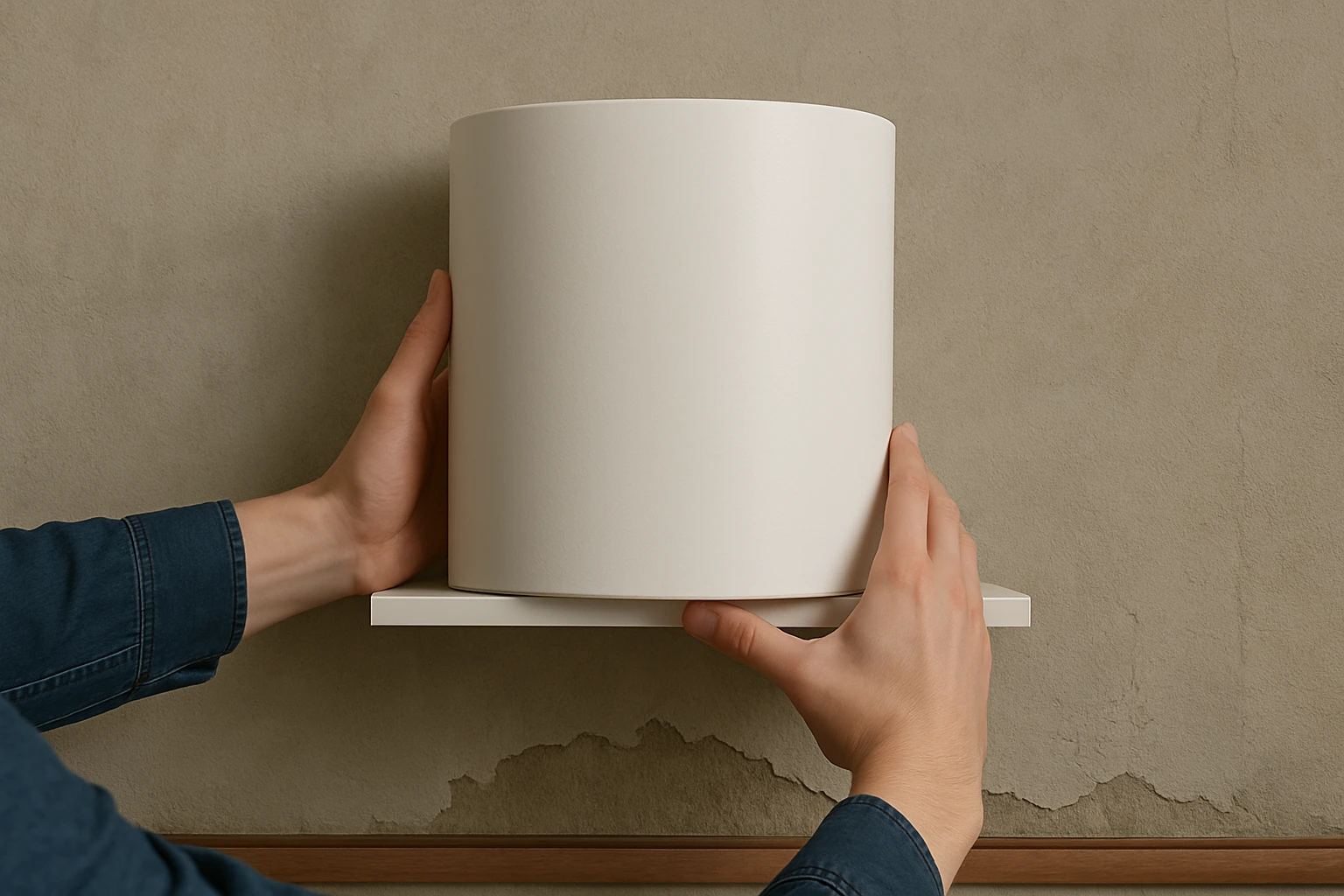
How does the ATG LC30 work?
Rising damp occurs when ground water travels through the pores of building materials. The ATG LC30 uses Geomagnetic technology intended to support the progressive drying of affected walls. Choose the model according to its coverage and the building’s layout.
Coverage suited to your building
The ATG LC30 can be considered for a home, cellar or business premises when damp is caused by capillary rise. Check that the affected zone lies within the stated 30 m diameter.
ATG LC30 specifications
- Geomagnetic technology
- Intended for rising damp
- Made in France
- Stated diameter: 30 m
No electricity required
10-year manufacturer’s warranty
Advice for correct installation
- Follow the position and distances specified in the manual
- Use the instructions for your chosen model
- Ensure appropriate ventilation in the building
Preparing for drying and decorating
Wall materials, finishes and ventilation influence drying. Follow the manual’s recommendations before renewing wall finishes.
Our devices are intended for rising damp. Water ingress, leaks and condensation require solutions appropriate to their causes.
Any questions?
Choosing between two models? Our team can help you compare coverage and installation requirements to select a device suited to your walls.
ATG LC30: checks before you choose
Four checks to help you choose the model and prepare for installation.
Describe your building
Gather photographs of the affected walls and note the materials, floors and rooms involved. This information helps our team understand the layout.
Compare distances on a plan
Identify a possible installation point and measure the distance to the furthest affected walls. Compare these distances with the stated coverage rather than floor area alone.
Ø 30 m
Stated diameter15 m
This is a coverage distance, not a floor area in m².
Prepare the installation
ATG: choose a location that meets the geomagnetic model’s manual. Check its positioning and orientation instructions; installation rules for mains-powered ATE devices must not be applied to it.
Plan the finishing work
Identify low-permeability coatings, salts and ventilation needs. Select renovation materials according to the masonry and the condition of the substrate.
Frequently asked questions about ATG LC30
Is this an air dehumidifier?
No. ATG LC30 is intended for walls affected by rising damp. It does not collect water in a tank or directly dehumidify the surrounding air.
What if there is also a leak or penetrating damp?
Have the source of that water ingress repaired. When several causes are present, addressing rising damp is only one part of the work needed.
Can I hide the device behind furniture?
Do not choose a position solely to hide it. First check the mounting requirements, clearances and access specified in the manual for ATG LC30.
When can I repaint or replaster?
When the substrate is suitable for the planned finish. The indicative timescale on this page is not a renovation date for every building; salts and existing coatings must also be considered.
Where can I check the price, finish and documents?
The shop page shows the available finishes, price and availability. The model manual gives the installation instructions. View the product page