MEDIA · 2025
Forbes interview: meet a French company
William Coignard introduces the company and its background.
Watch on YouTube ↗Rising damp, condensation and penetrating damp: explore our advice to recognise the source of moisture and choose an approach suited to your building.
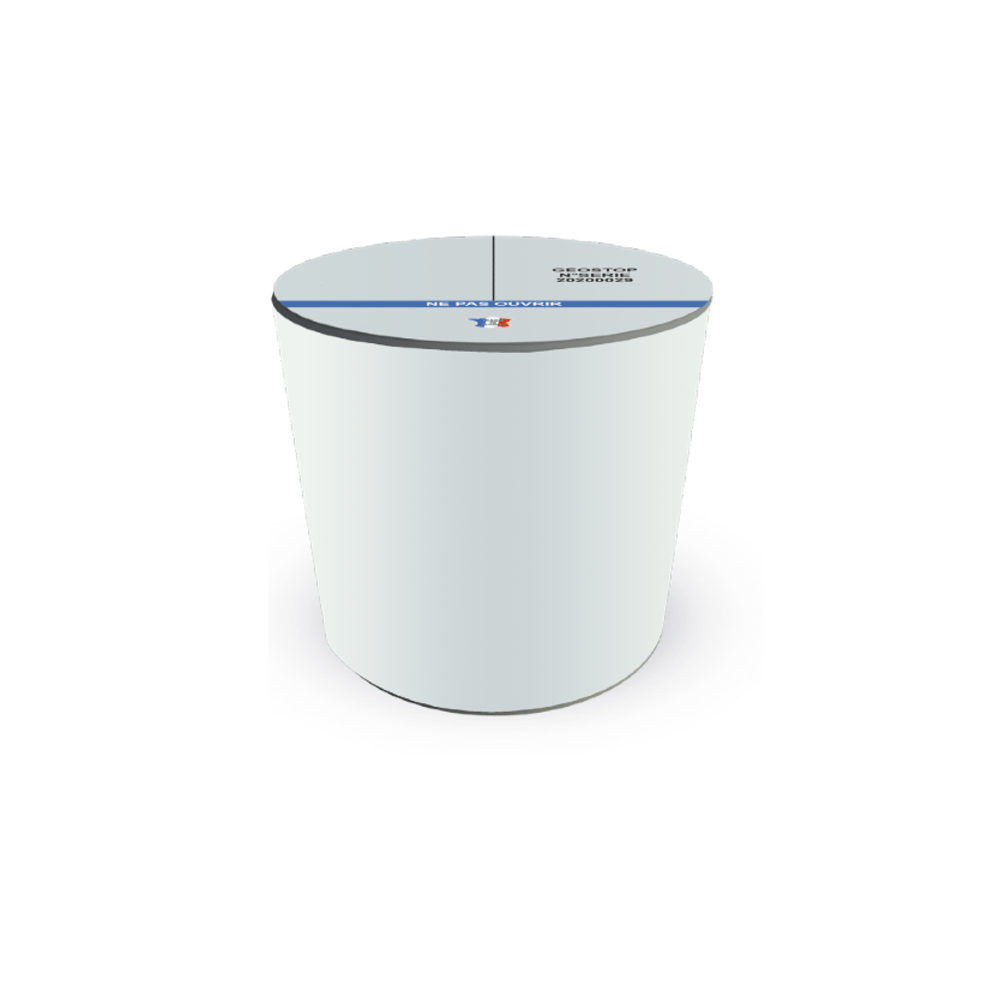
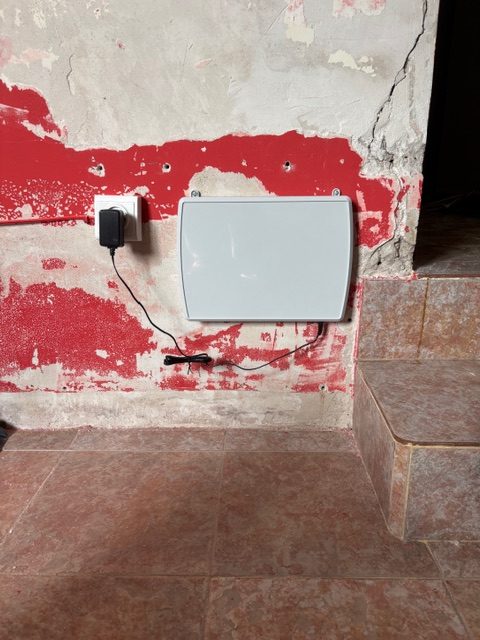
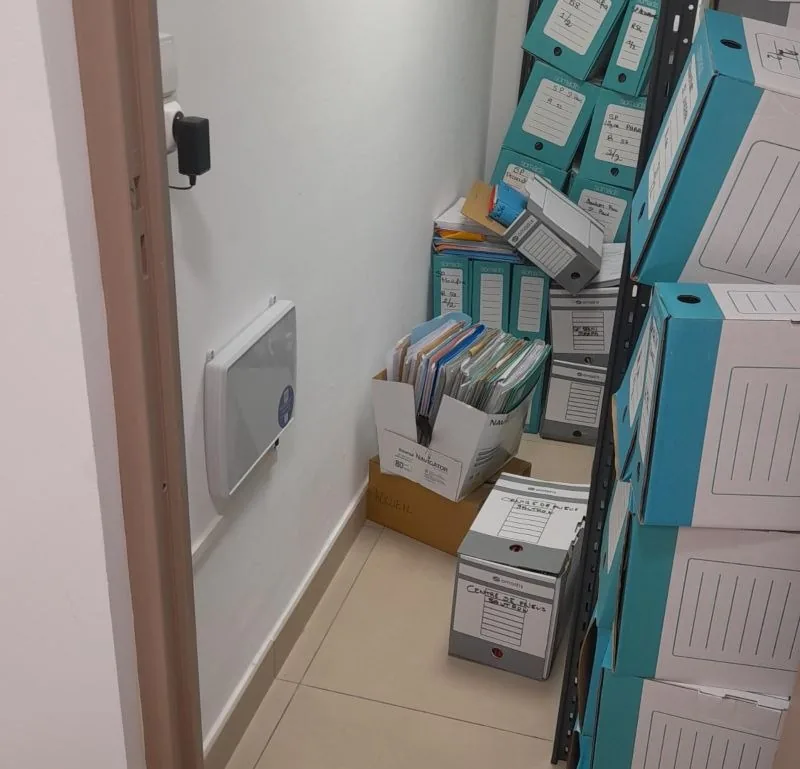
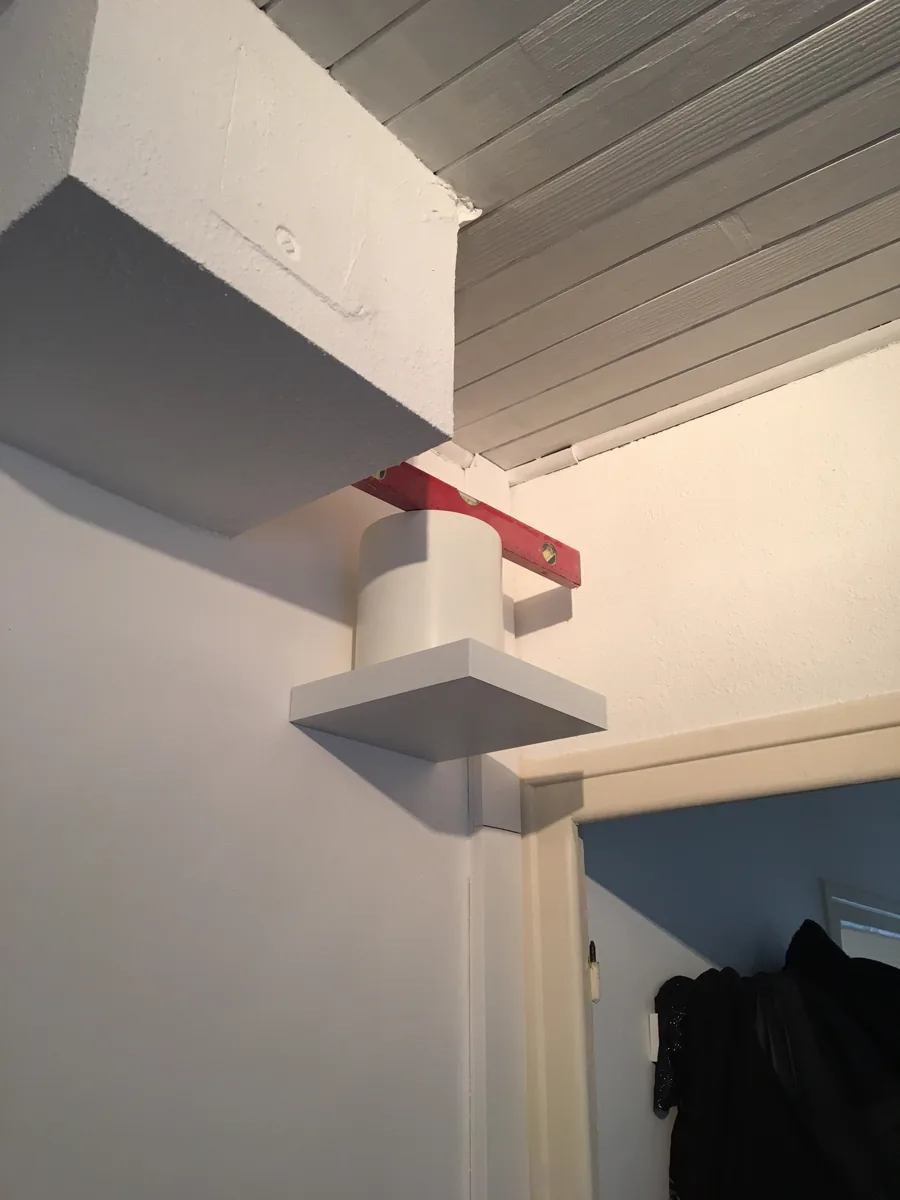
Discover ATE and ATG devices intended for rising damp and compare coverage diameters, installation manuals and placement requirements.
HUMIDISTOP ON VIDEO
Meet the company through its interviews and explore the ATE and ATG installation guides.
MEDIA · 2025
William Coignard introduces the company and its background.
Watch on YouTube ↗MEDIA · 2025
A discussion about French manufacturing and the development of Humidistop.
Watch on YouTube ↗MEDIA · 2025
An interview about damp walls and capillary rising damp.
Watch on YouTube ↗EXPERT EXPLANATION · 2024
A short explanation of the principle presented for walls affected by rising damp.
Watch on YouTube ↗INSTALLATION GUIDE · 2026
Installation guidance to read alongside the manual for your model.
Watch on YouTube ↗INSTALLATION GUIDE · 2026
The ATG installation steps; always check your model’s manual.
Watch on YouTube ↗Three questions to help you find your way, then articles to understand and choose.
Question 1 of 3
Your initial guidance
These three signs guide your investigation; they do not confirm a diagnosis on their own.
References, media, technical explanations, comparisons and installation examples: explore the articles below.
Selected guides on this subject · 9 articles
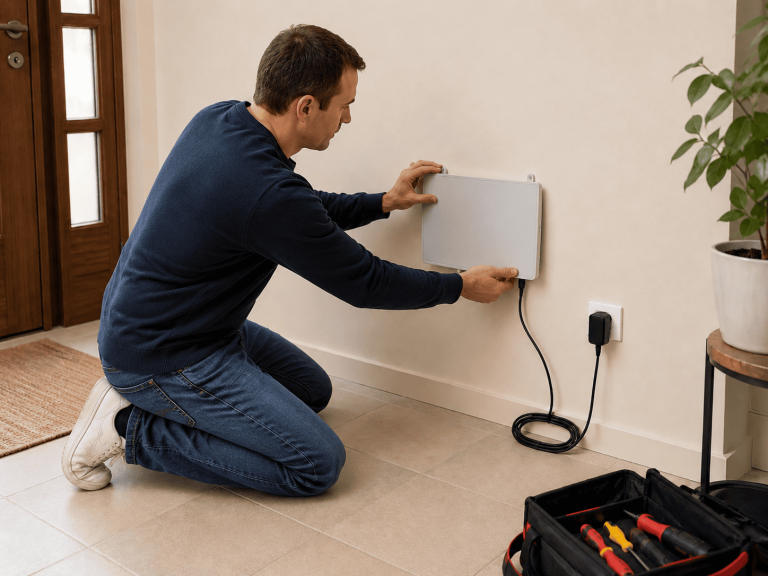
Damp at the bottom of a wall needs investigation before you order a device. Rising damp is one possibility. A leaking pipe, water entering at a floor junction or condensation on a cold wall base can leave similar…
Read the article →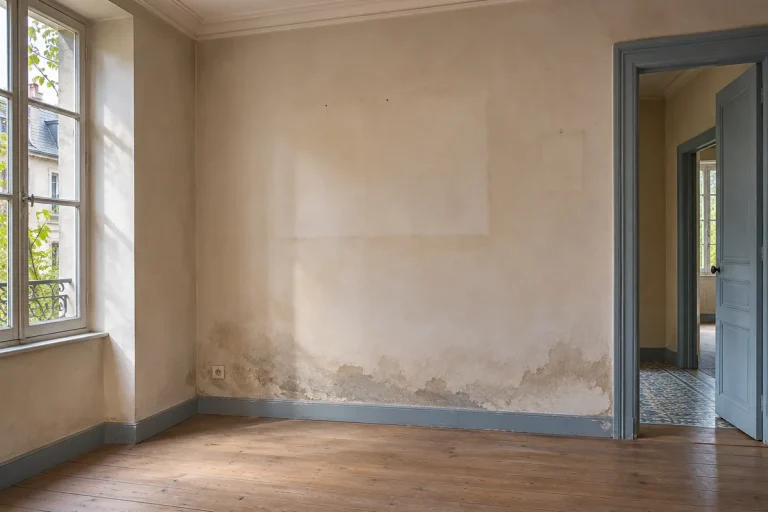
Saying the house is damp does not identify a treatment. A simple sheet for each room helps compare what repeats and what remains local. Before choosing equipment, prepare a plan and dated photographs. Humidistop provides product pages and…
Read the article →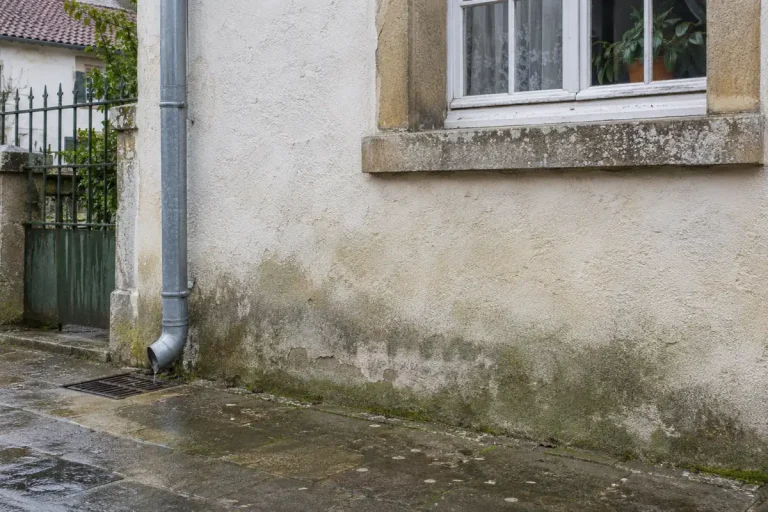
An internal mark may relate to the facade, while an external one may relate to the base of the wall. Look at the wider setting before selecting a product from appearance alone. Before choosing equipment, prepare a plan…
Read the article →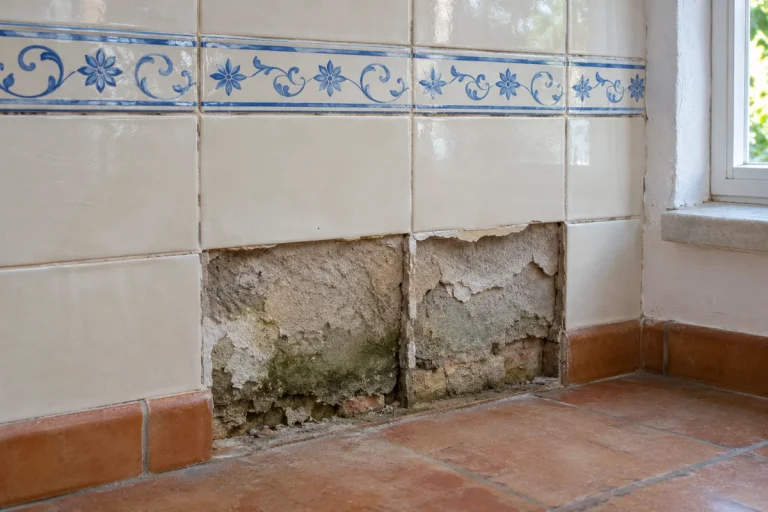
Marks on the floor and wall make a single solution sound attractive. Two nearby symptoms do not, however, prove that the water follows the same path. Before choosing equipment, prepare a plan and dated photographs. Humidistop provides product…
Read the article →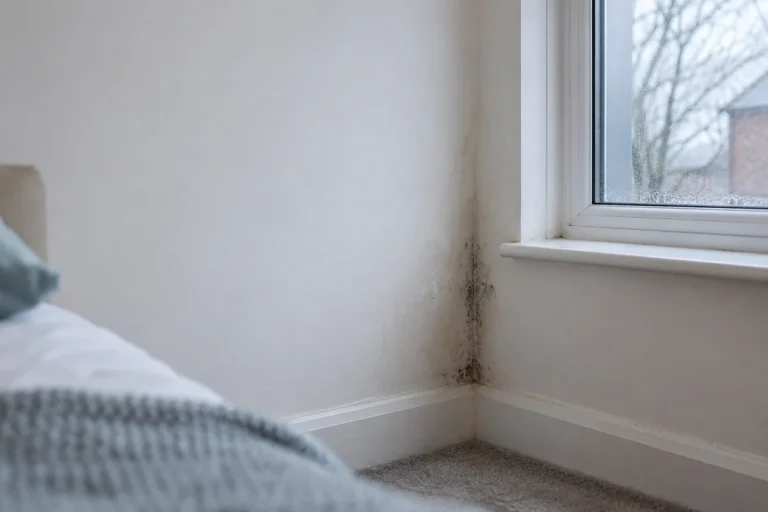
Damp in a bedroom can involve condensation, a leak, rain entry or moisture in the masonry. Locate the marks and note when they return before buying a product. Mould in a cold corner and low damp staining do…
Read the article →Protect an internal wall by resolving the moisture source before hiding the damage. Paint, a lining or insulation may conceal marks without repairing a leak or stopping rain entry. The wall’s material, salts and drying conditions matter when…
Read the article →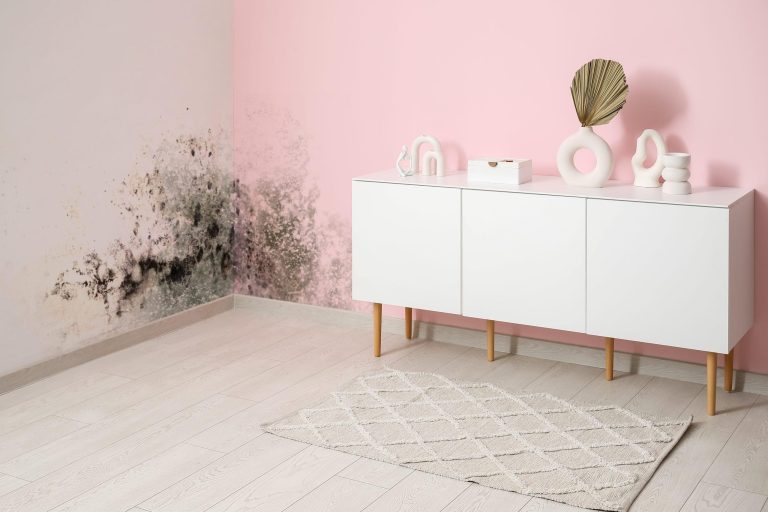
A musty wardrobe needs the textiles, furniture and wall behind it checked. Poor circulation and cold surfaces may contribute, but a leak or damp masonry is also possible. A small absorber may help a limited enclosed volume; it…
Read the article →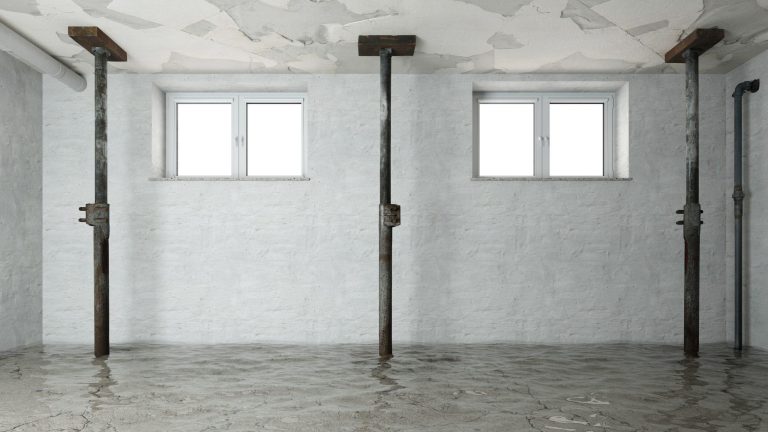
A damp garage can receive water from a wet vehicle, rain at the threshold, services, the ground or condensation on cold surfaces. Several sources can coexist. Rust or a musty smell alone does not select the treatment. Map…
Read the article →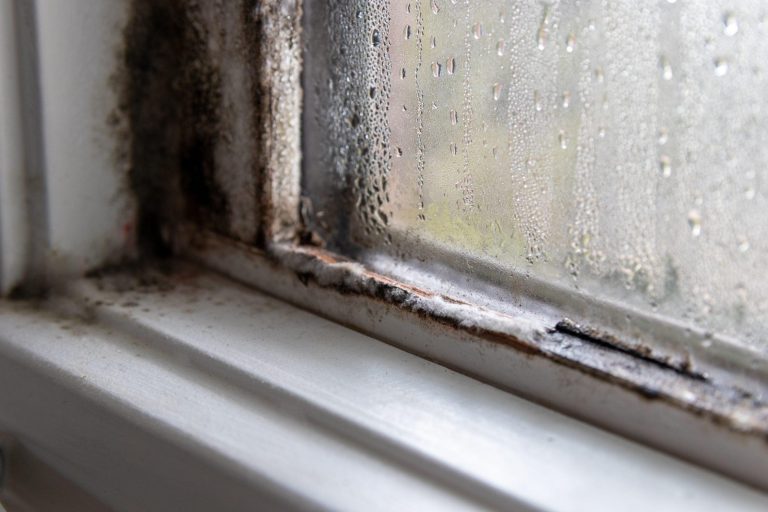
There is no single humidity percentage that guarantees suitable conditions in every home, season and surface. Read relative humidity alongside temperature and look for persistent condensation and mould. A hygrometer measures room air, not the moisture content of…
Read the article →