MEDIA · 2025
Forbes interview: meet a French company
William Coignard introduces the company and its background.
Watch on YouTube ↗Rising damp, condensation and penetrating damp: explore our advice to recognise the source of moisture and choose an approach suited to your building.
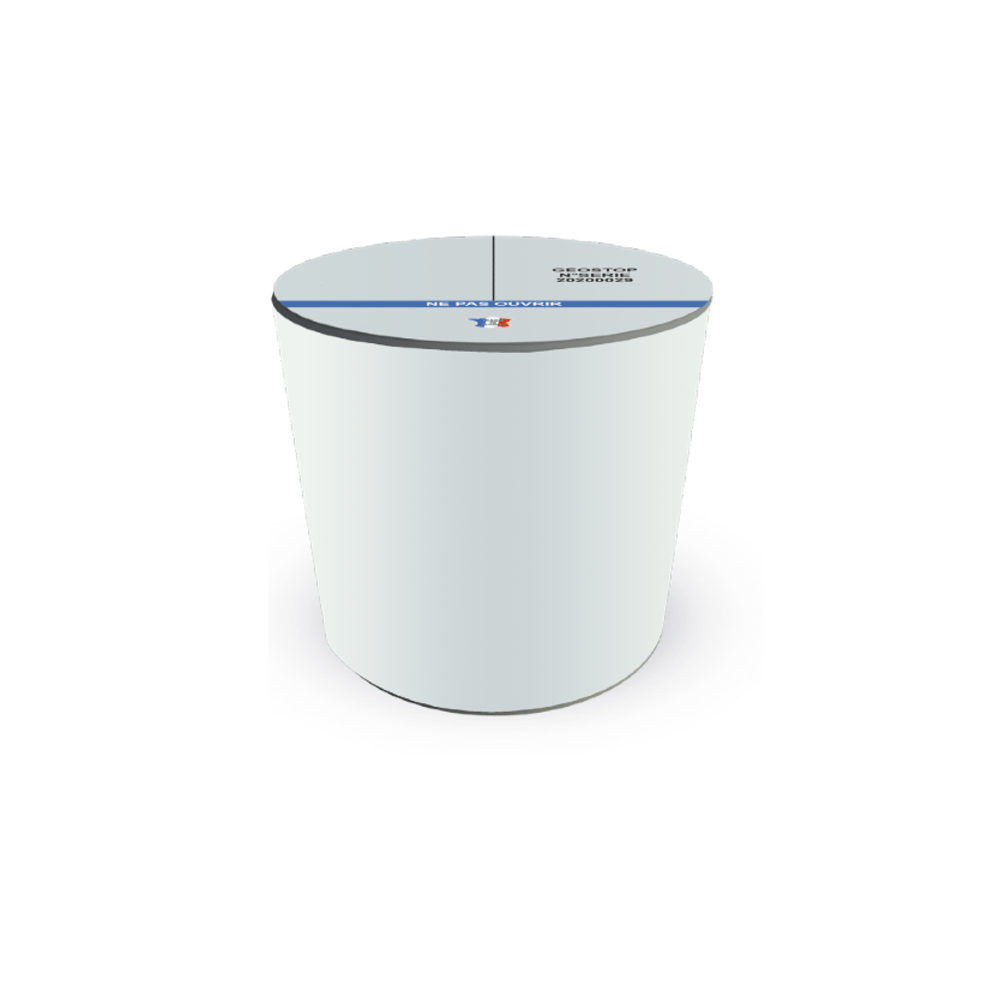
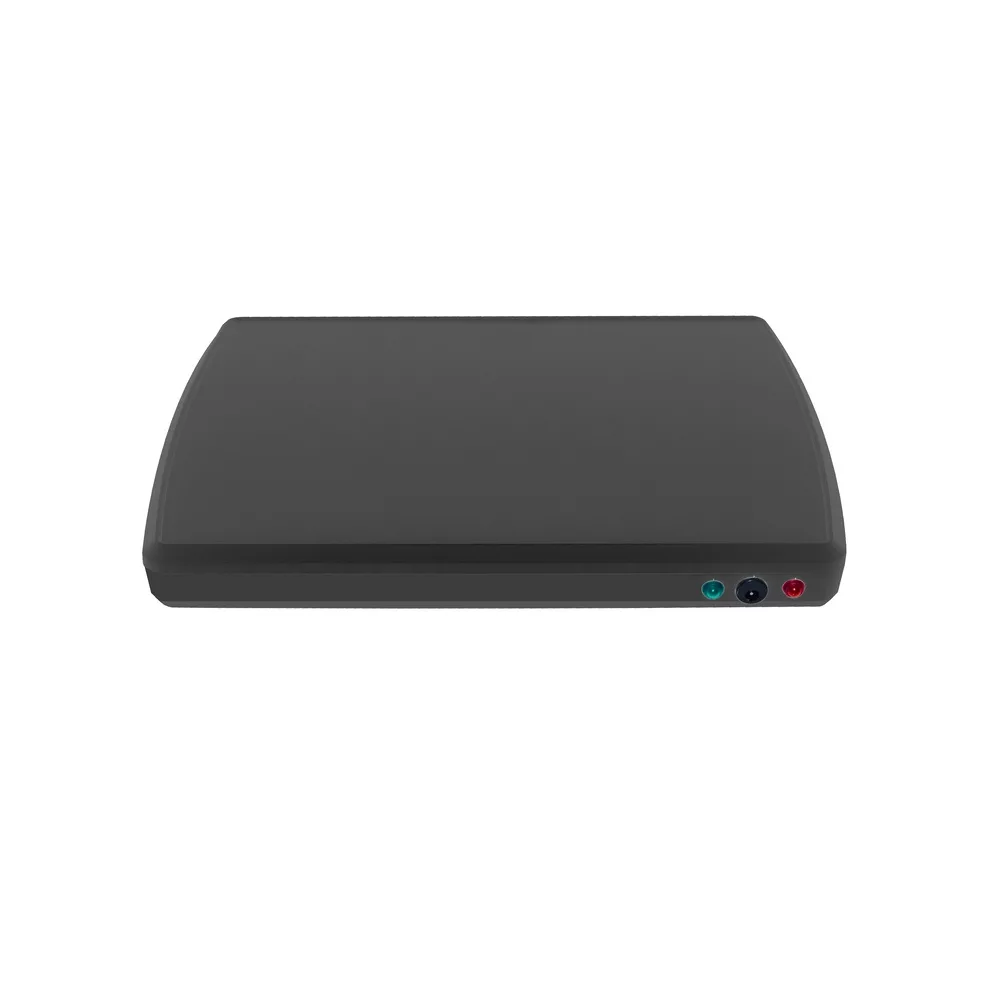
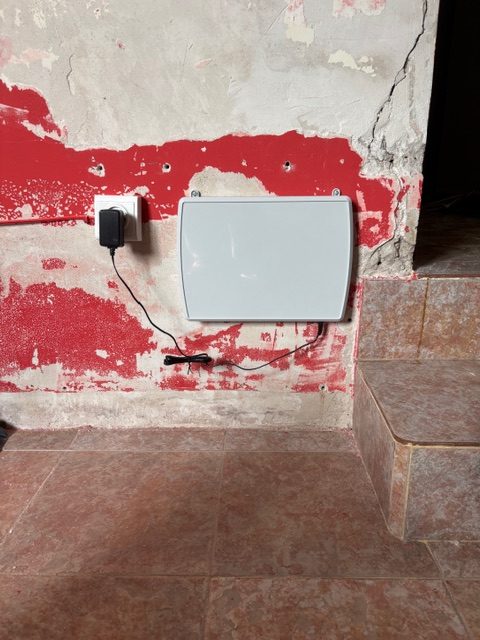
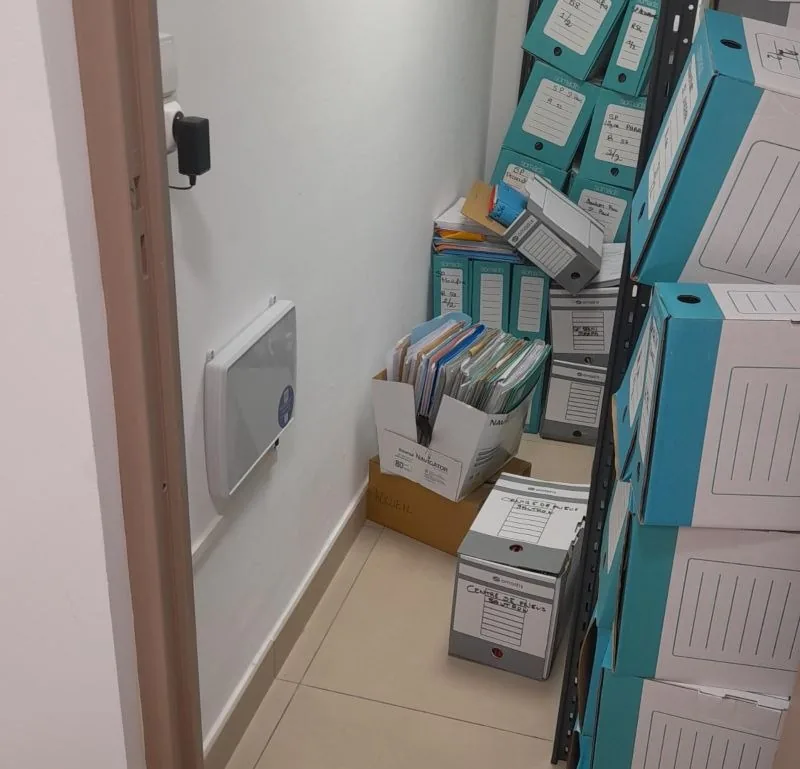
Discover ATE and ATG devices intended for rising damp and compare coverage diameters, installation manuals and placement requirements.
HUMIDISTOP ON VIDEO
Meet the company through its interviews and explore the ATE and ATG installation guides.
MEDIA · 2025
William Coignard introduces the company and its background.
Watch on YouTube ↗MEDIA · 2025
A discussion about French manufacturing and the development of Humidistop.
Watch on YouTube ↗MEDIA · 2025
An interview about damp walls and capillary rising damp.
Watch on YouTube ↗EXPERT EXPLANATION · 2024
A short explanation of the principle presented for walls affected by rising damp.
Watch on YouTube ↗INSTALLATION GUIDE · 2026
Installation guidance to read alongside the manual for your model.
Watch on YouTube ↗INSTALLATION GUIDE · 2026
The ATG installation steps; always check your model’s manual.
Watch on YouTube ↗Three questions to help you find your way, then articles to understand and choose.
Question 1 of 3
Your initial guidance
These three signs guide your investigation; they do not confirm a diagnosis on their own.
References, media, technical explanations, comparisons and installation examples: explore the articles below.
Selected guides on this subject · 19 articles
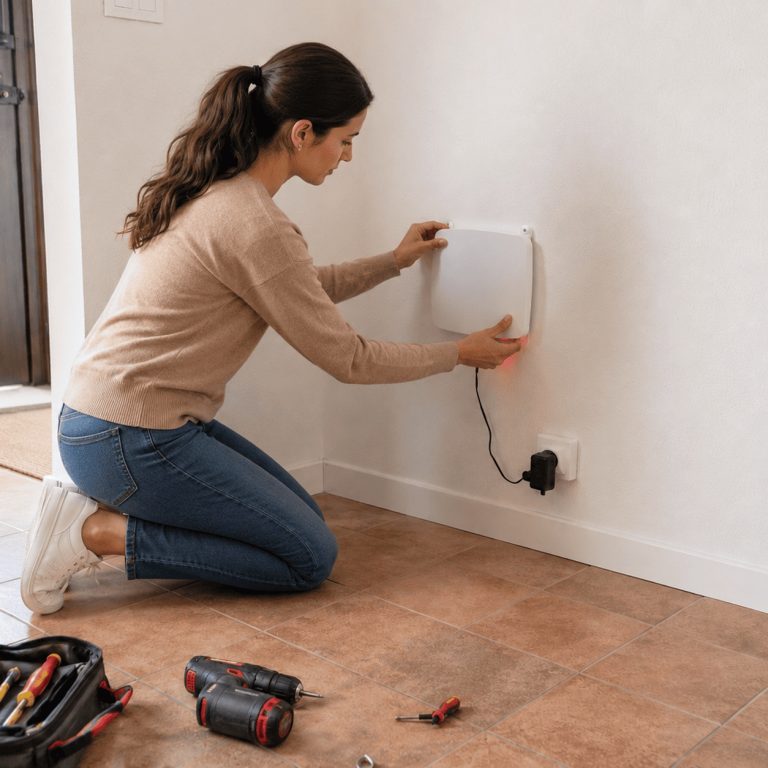
Once rising damp has been confirmed, one practical question remains: which damp proofing device should you choose? Between the ATE and ATG technologies and the various models, it is easy to get it wrong. Here is a simple…
Read the article →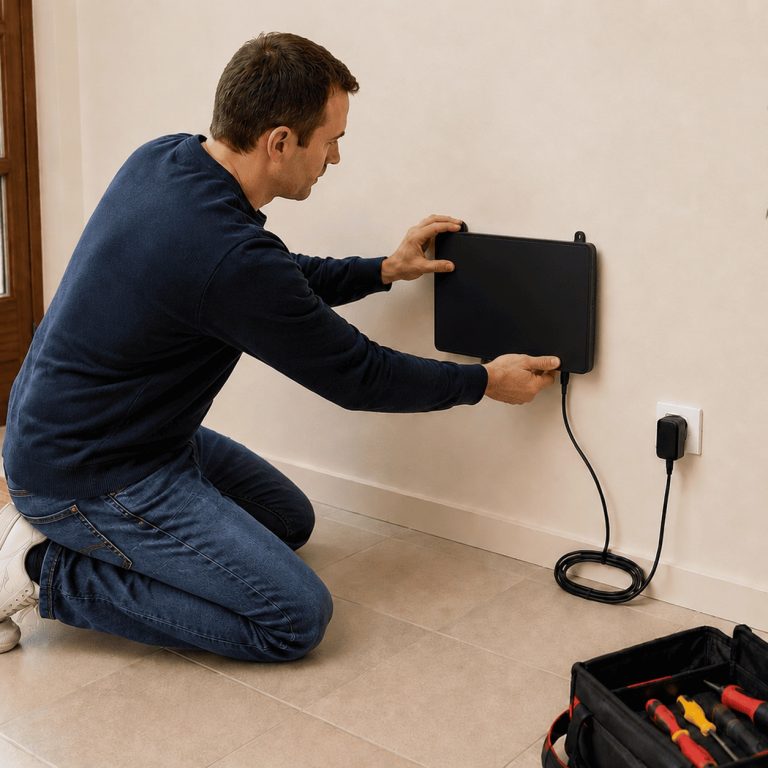
ATE and ATG are two Humidistop ranges proposed for rising damp. ATE uses electromagnetic technology and mains electricity; ATG uses geomagnetic technology without an electrical connection. Choose using the confirmed moisture cause, the installation conditions and the actual…
Read the article →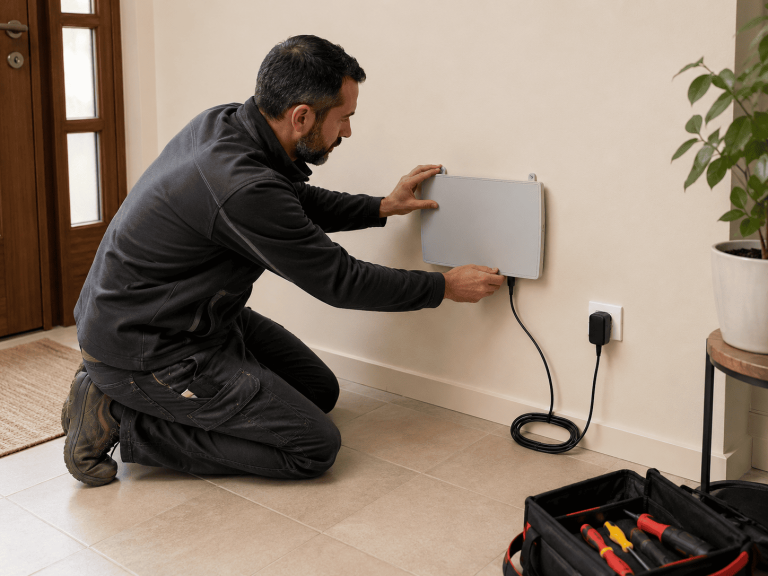
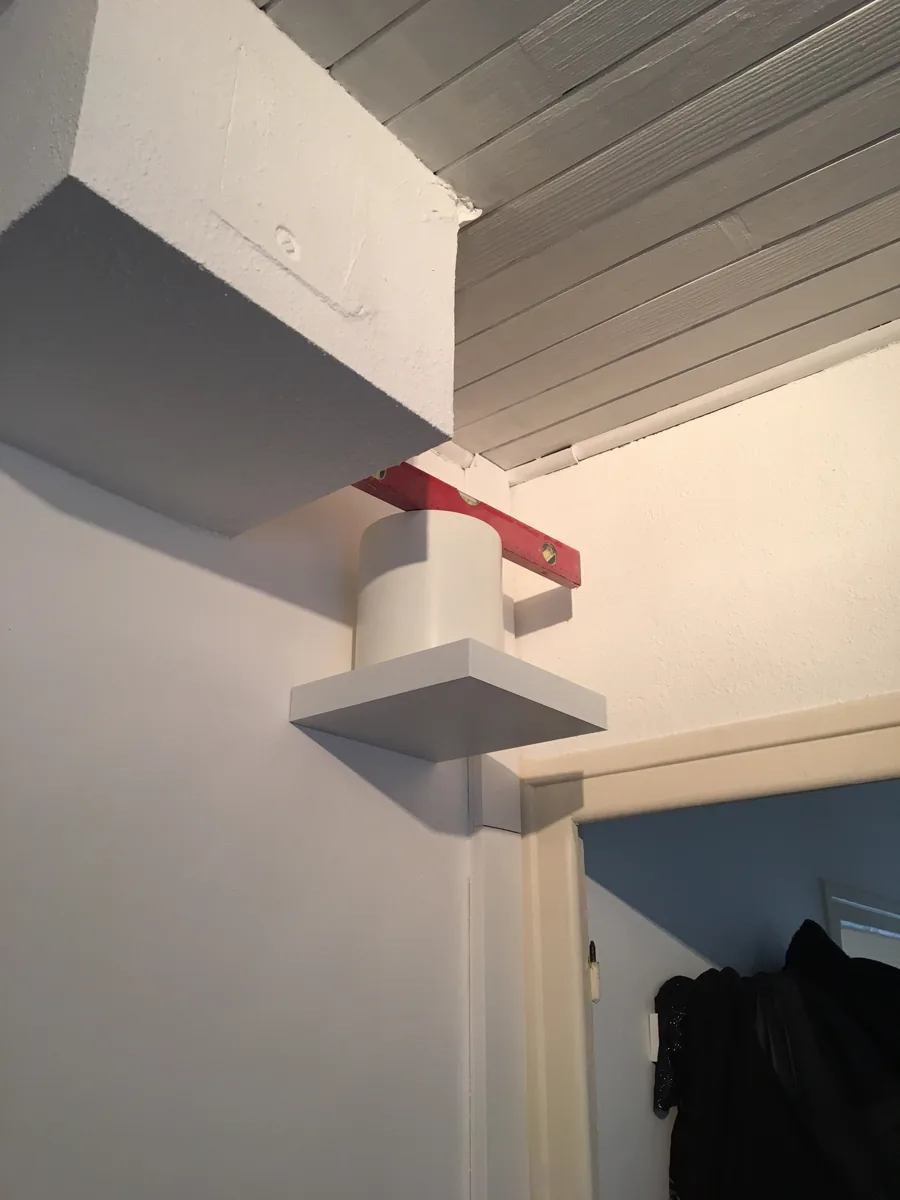
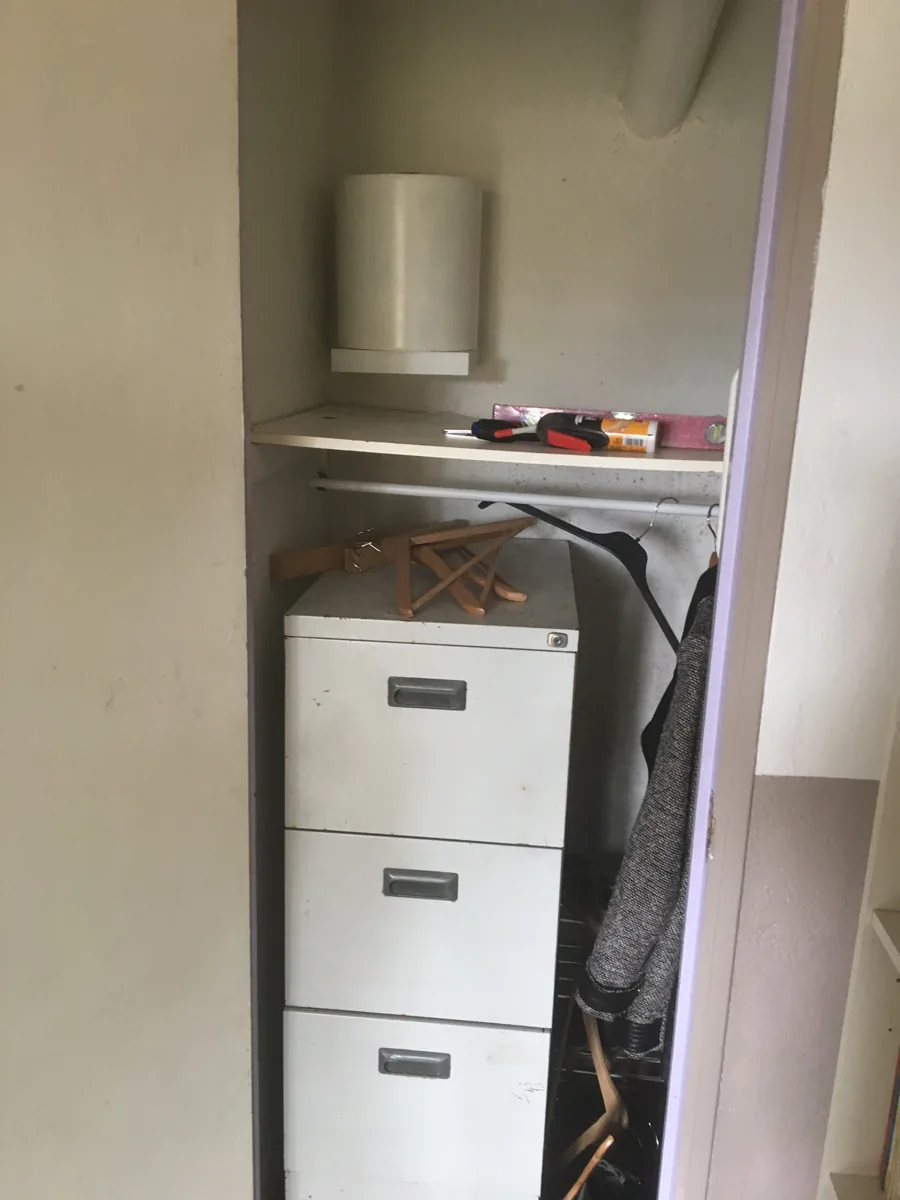
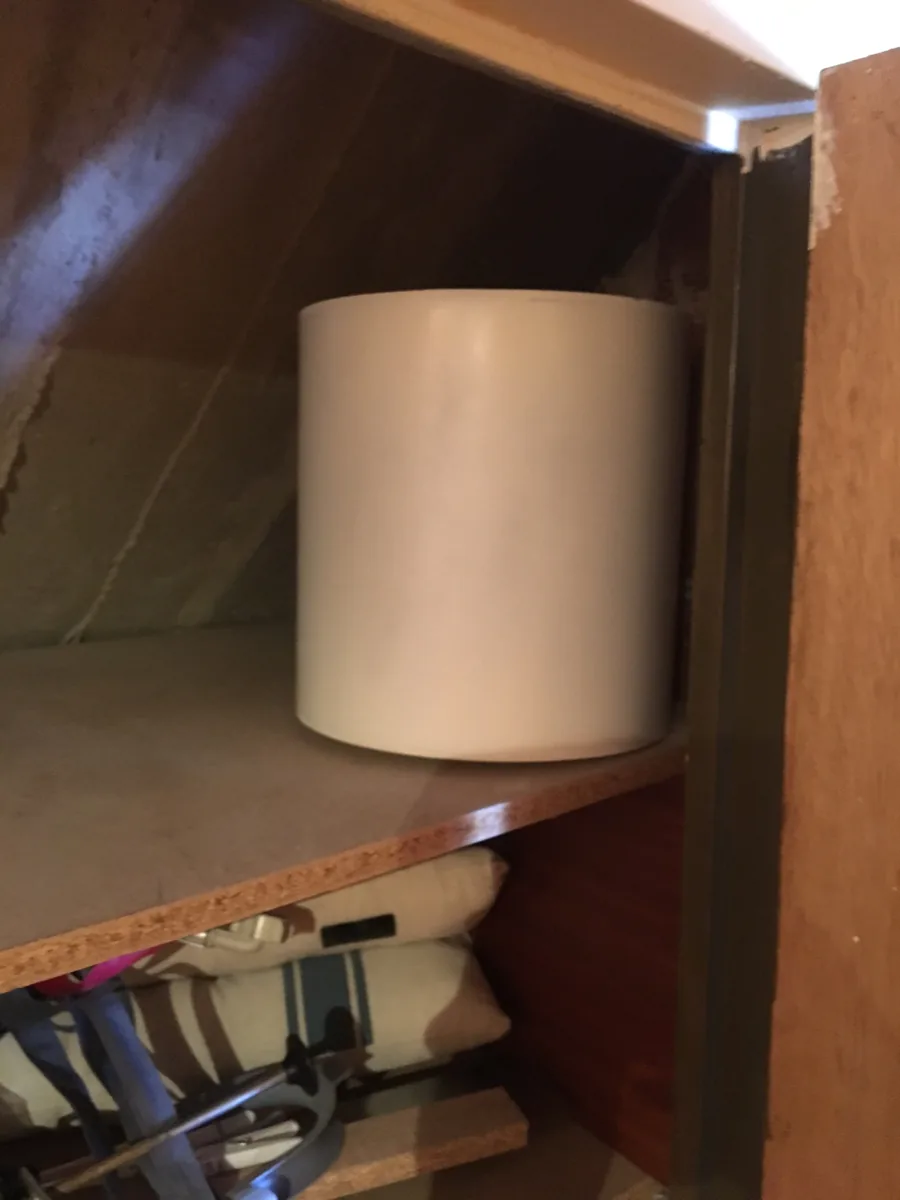
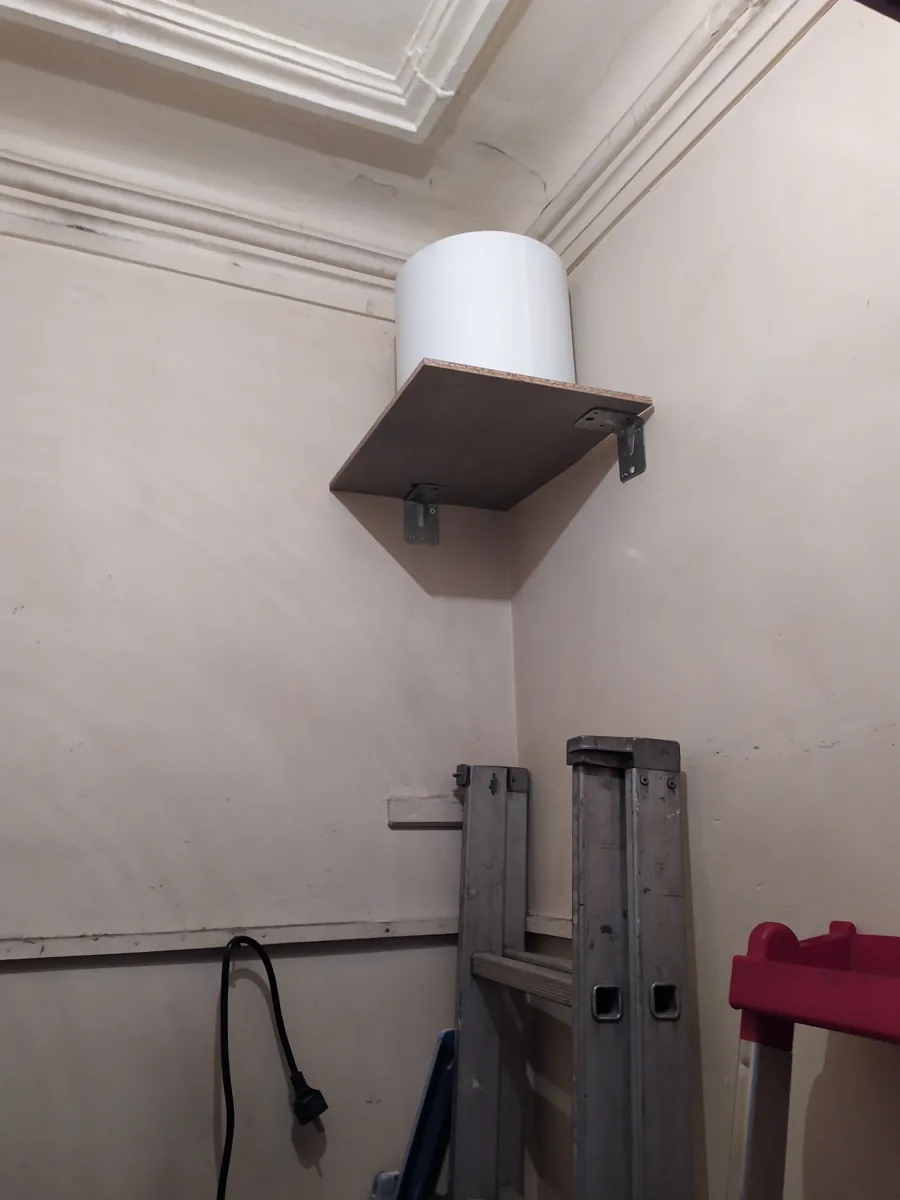
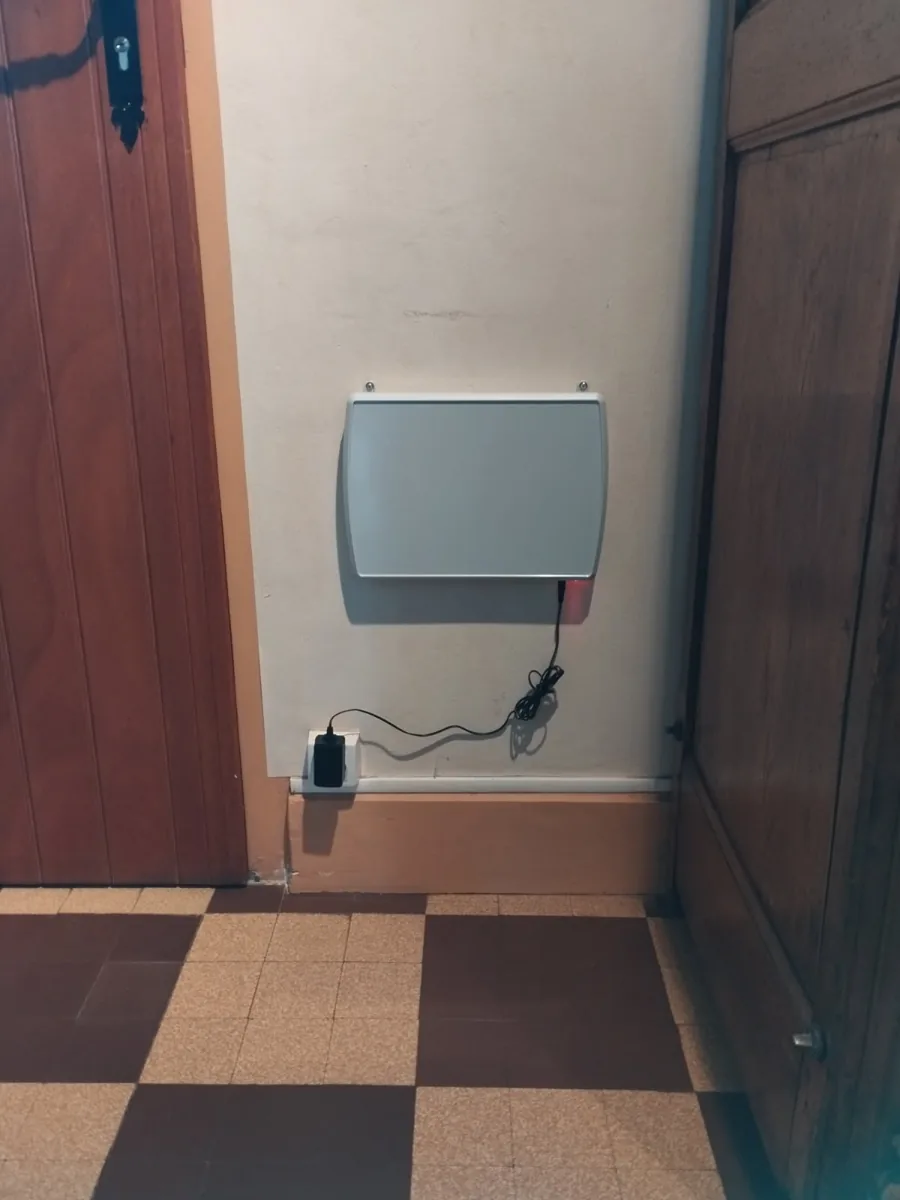
ATE is Humidistop’s mains-powered electromagnetic range for walls affected by rising damp. Before choosing a model, establish where the moisture comes from, check the proposed mounting point and measure the distances on the floor plan. A damp patch…
Read the article →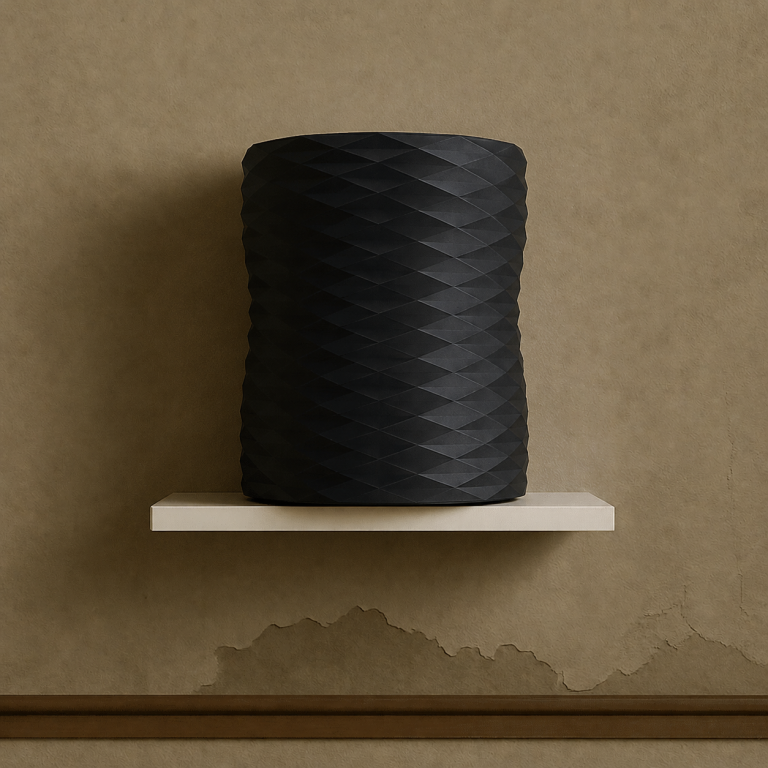
ATG is Humidistop’s standalone geomagnetic range for capillary rising damp, without a mains supply or battery. It can be considered where permanent power for an ATE is unavailable. First check the moisture source, coverage and the exact ATG…
Read the article →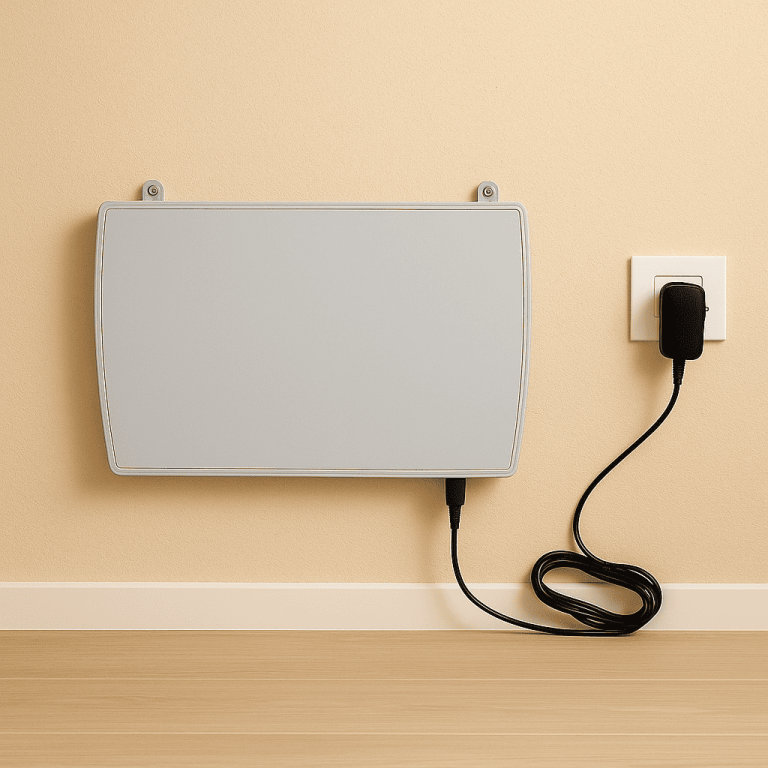
A compact device and an advertised coverage diameter of 15 metres: the ATE LC15 is an option to consider for walls affected by rising damp. These five checks help you prepare your purchase: the cause, coverage, power supply,…
Read the article →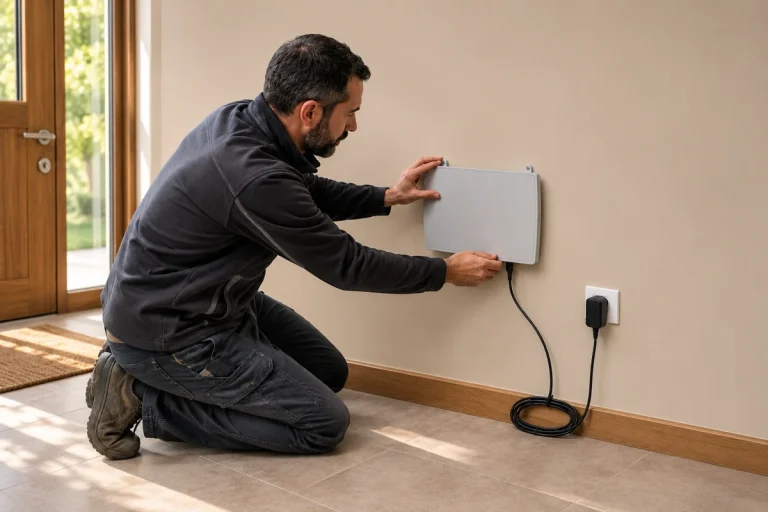
Floor area alone is not enough to choose a device for rising damp. The ATE LC30 has an advertised coverage diameter of 30 metres. Start with the layout of your building and the position where the device can…
Read the article →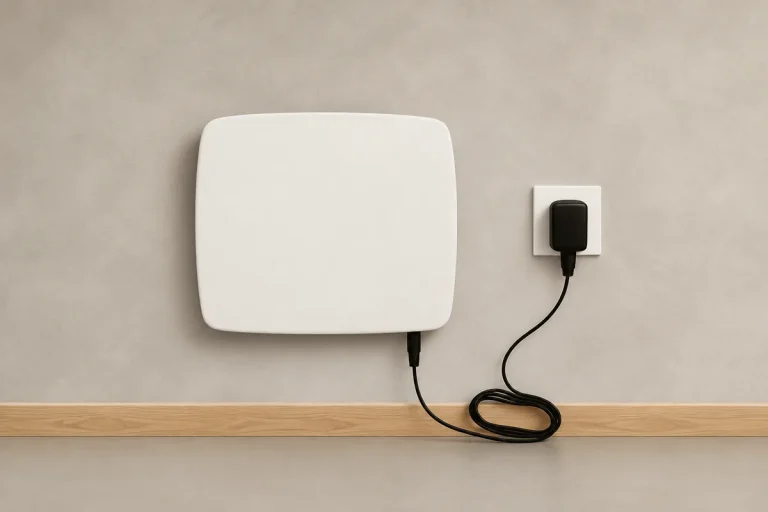
When a device remains in a living space, its appearance matters too. The ATE LC30 PULSE combines a white casing with mains operation in the Humidistop range intended for rising damp. Its integration into the room should go…
Read the article →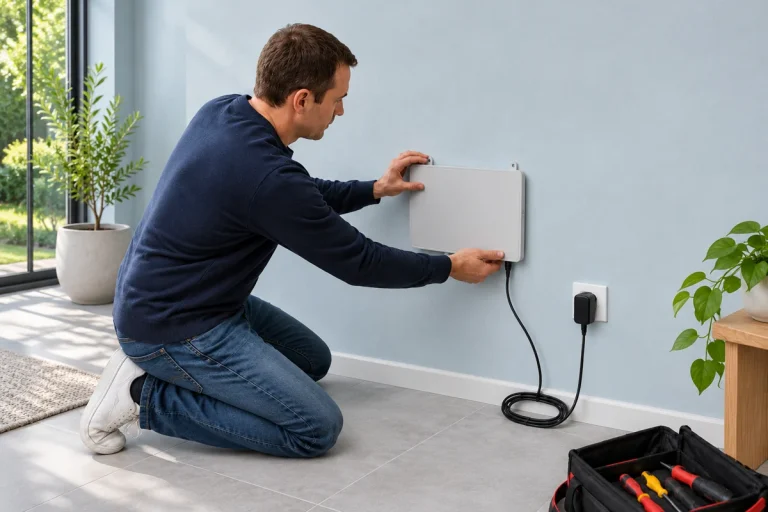
The ATE MAX is the 60-metre coverage option in the ATE range. That figure can help you compare models for a building, provided you interpret it correctly. The useful question is whether the coverage and installation conditions match…
Read the article →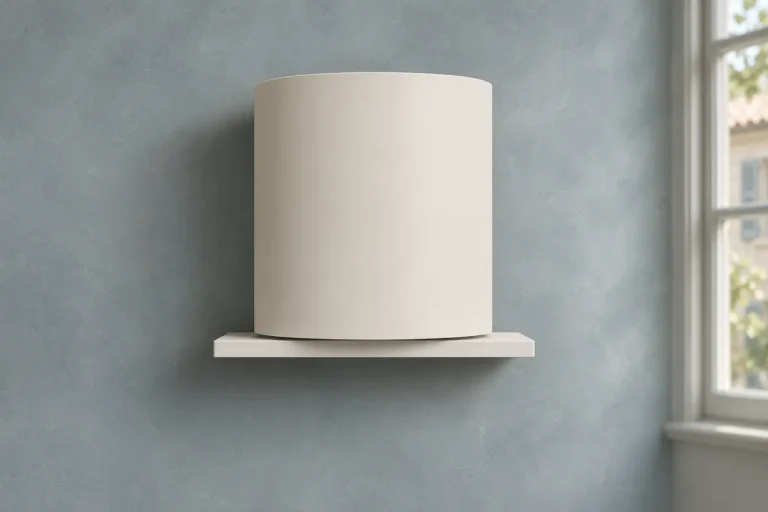
Looking for a device for rising damp that does not need an electrical connection? The ATG LC15 and ATG LC30 belong to Humidistop’s geomagnetic range. Their comparison starts with the coverage required and a position compatible with the…
Read the article →
An extension changes more than floor area A new room changes building dimensions and may also alter floor levels and how spaces are used. Before choosing a rising-damp device, show how the extension connects to the original house.…
Read the article →