Damp after renovation: which changes should you check first?
October 24, 2026
DIY rising damp device installation: prepare without guessing the cause
October 24, 2026
Saying the house is damp does not identify a treatment. A simple sheet for each room helps compare what repeats and what remains local.
Before choosing equipment, prepare a plan and dated photographs. Humidistop provides product pages and instructions so you can examine the reference and positioning before purchase. If the moisture cause remains uncertain, clarify it before deciding on treatment and identify any independent repairs still needed.
Ask the same questions in each room
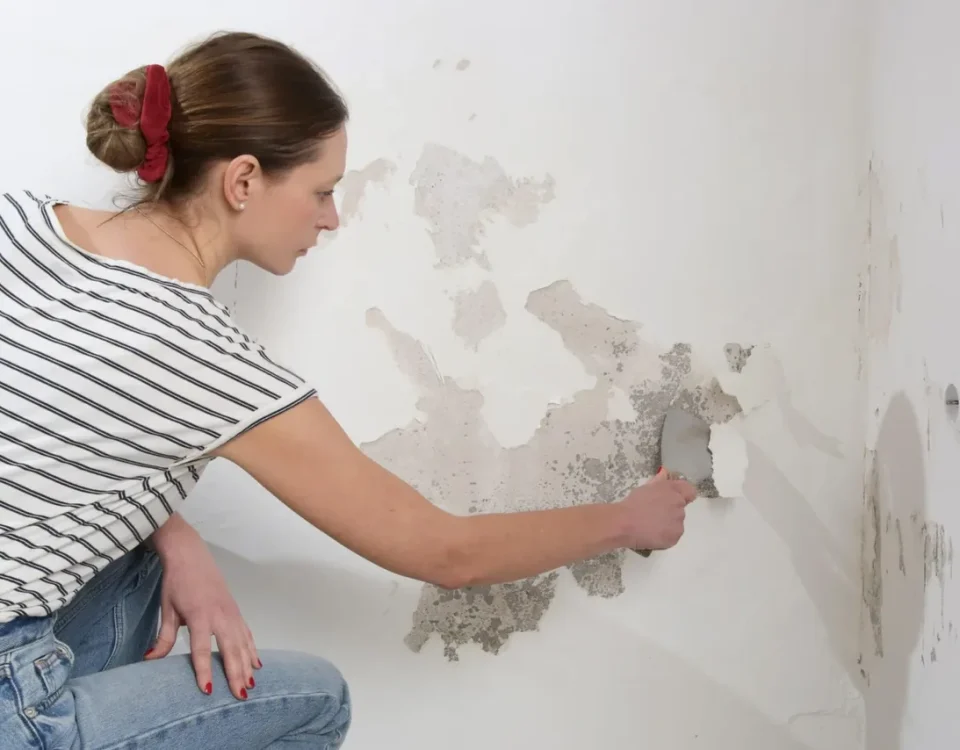
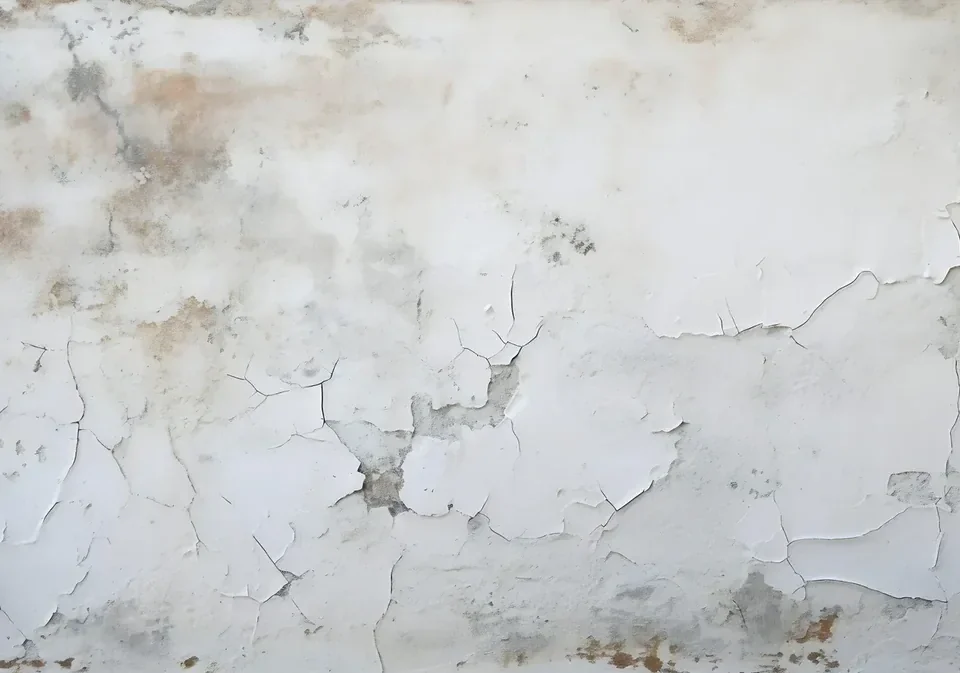
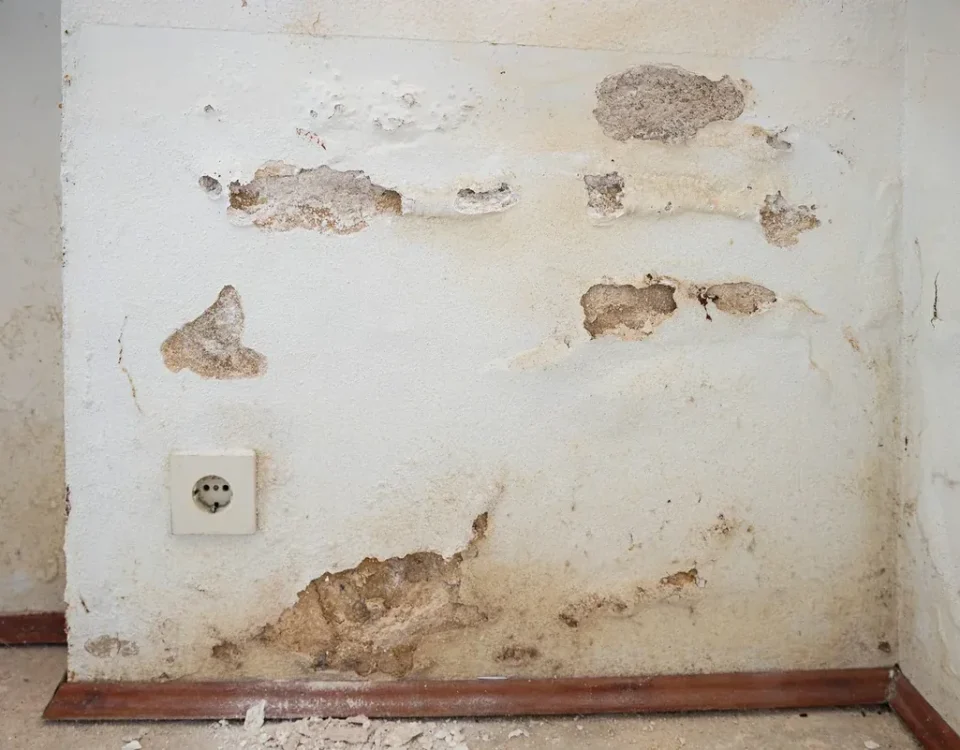
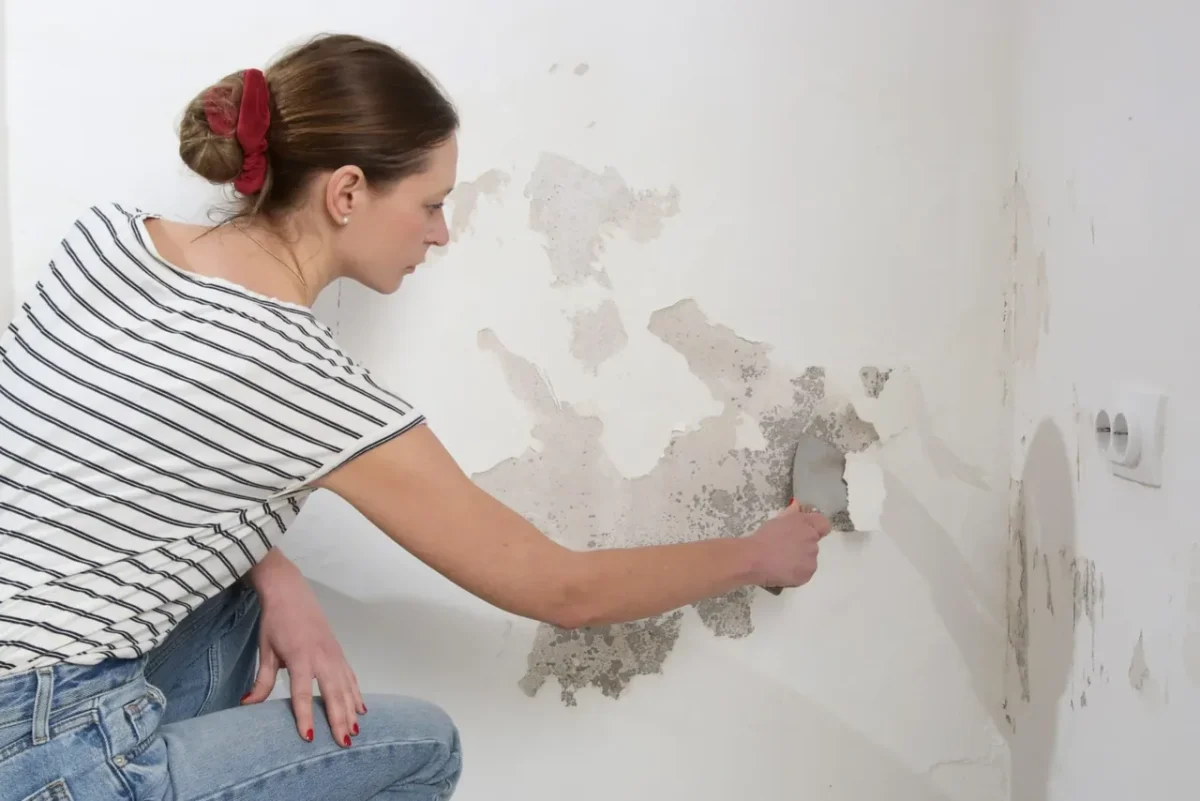
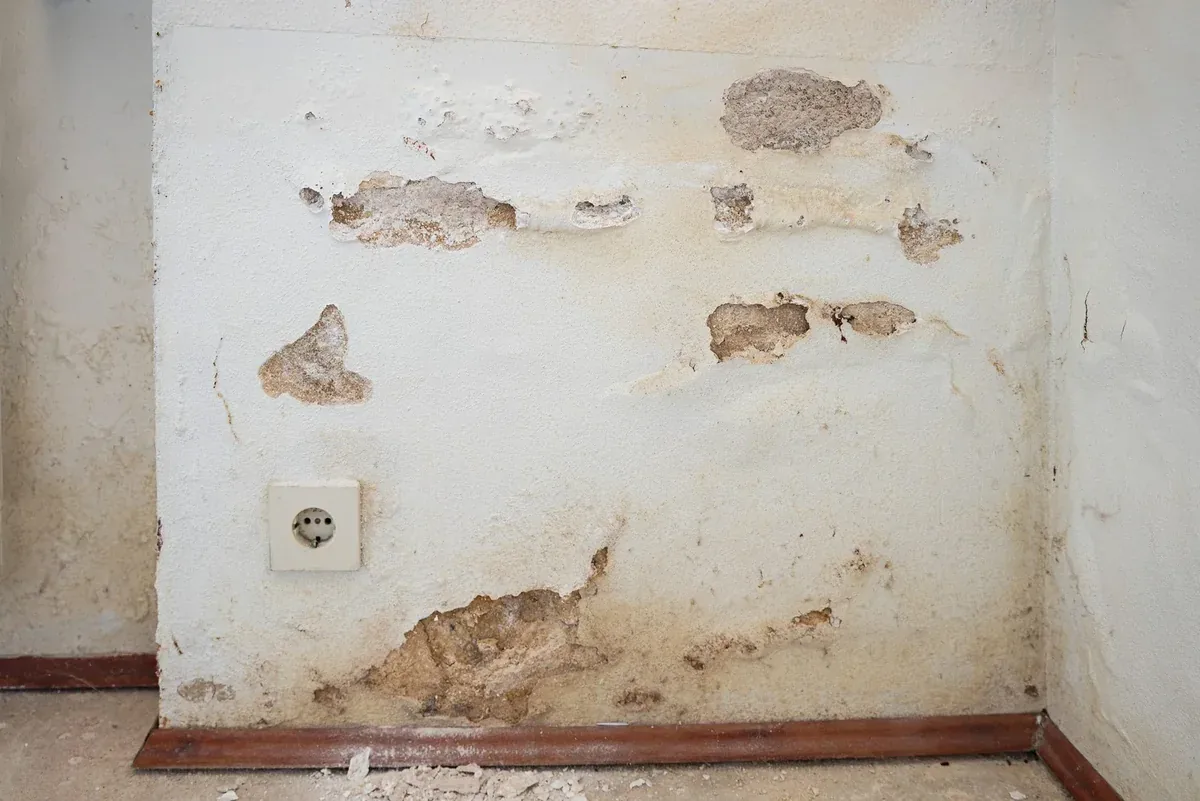
Record the storey, wall, appearance and date of the first marks. Add window misting, smells, water points and air inlets or extraction. Take an overall picture and a detail. In bathrooms and kitchens, observe changes after use; in basements and ground-floor rooms, also consider the ground and external water. In bedrooms, examine cold surfaces and areas behind furniture without drawing a conclusion from one clue alone.
Respond to each mechanism
Ventilation, leak repair and rising damp treatment address different issues. ATE and ATG are compared for masonry affected by rising damp. Do not turn one device into an automatic answer for every symptom. Present the sheets alongside the plan to clarify the scope. A hygrometer provides air information but does not, by itself, identify the source or distribution of water in the materials. Keep dates and conditions with observations.
Before you decide
- Document the walls and possible water sources.
- Check the model and installation instructions.
- Separate fitting, monitoring and reinstatement of finishes.
A practical question
Is measuring the air enough?
No. That measurement concerns the room and should be combined with examination of the building and affected materials.
Compare our wall drying devices
The range includes mains-powered ATE LC15, ATE LC30, ATE LC30 PULSE and ATE MAX, alongside ATG LC15 and ATG LC30 without electricity. The devices are manufactured in Castres, France. Compare the diameter with the building layout and follow the instructions. The manufacturer’s 10-year warranty applies under its conditions. The device does not replace independent interventions on leaks, penetrating water or ventilation.
ATE LC15 · ATE LC30 · ATE LC30 PULSE · ATE MAX · ATG LC15 · ATG LC30