Anti-Damp Paint: Is It Really Effective?
July 9, 2026
How to Air Out a Damp Room the Simple Way
July 9, 2026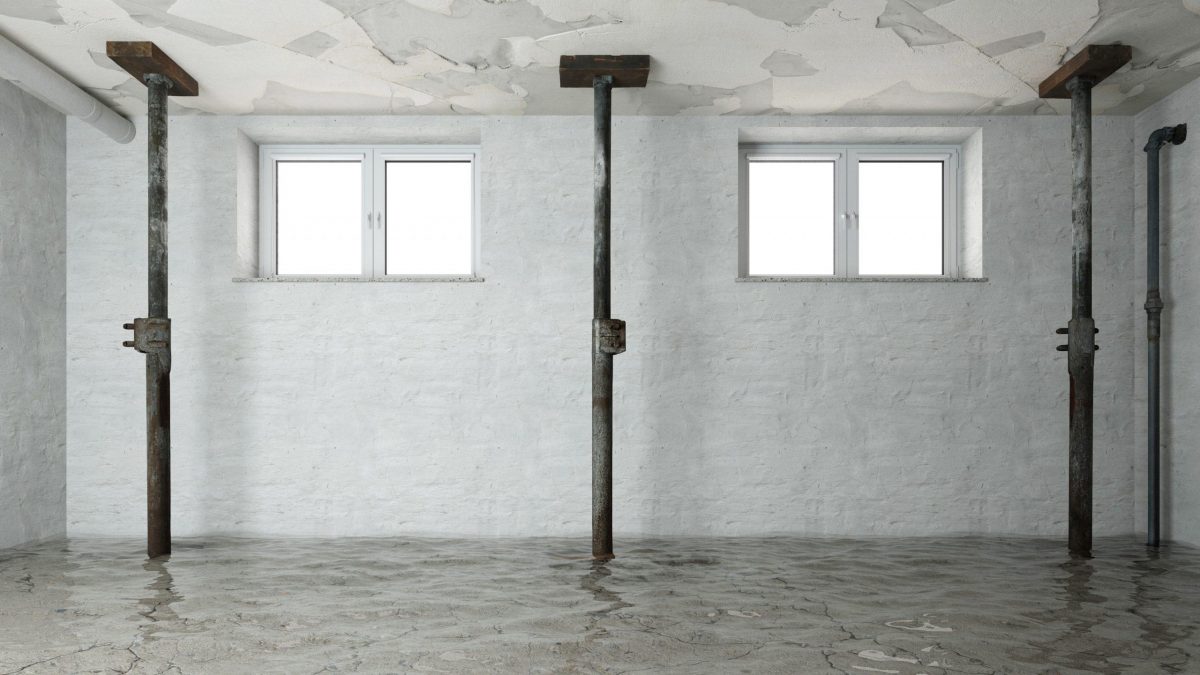
A damp garage means a musty smell, tools that rust and sometimes cardboard boxes that warp. Often barely heated and poorly ventilated, a garage easily holds on to moisture, whether it comes from the ground, the walls or the car pulling in wet. Understanding the causes of a damp garage helps you choose the right fix. Let us go over the question.
The causes of a damp garage
Several factors often add up in a damp garage.
- not enough ventilation, so little air is renewed;
- a bare earth or raw concrete floor that lets moisture through;
- buried walls prone to infiltration or rising damp;
- condensation on the cold surfaces and on the car;
- a poorly sealed door that lets rainwater in.
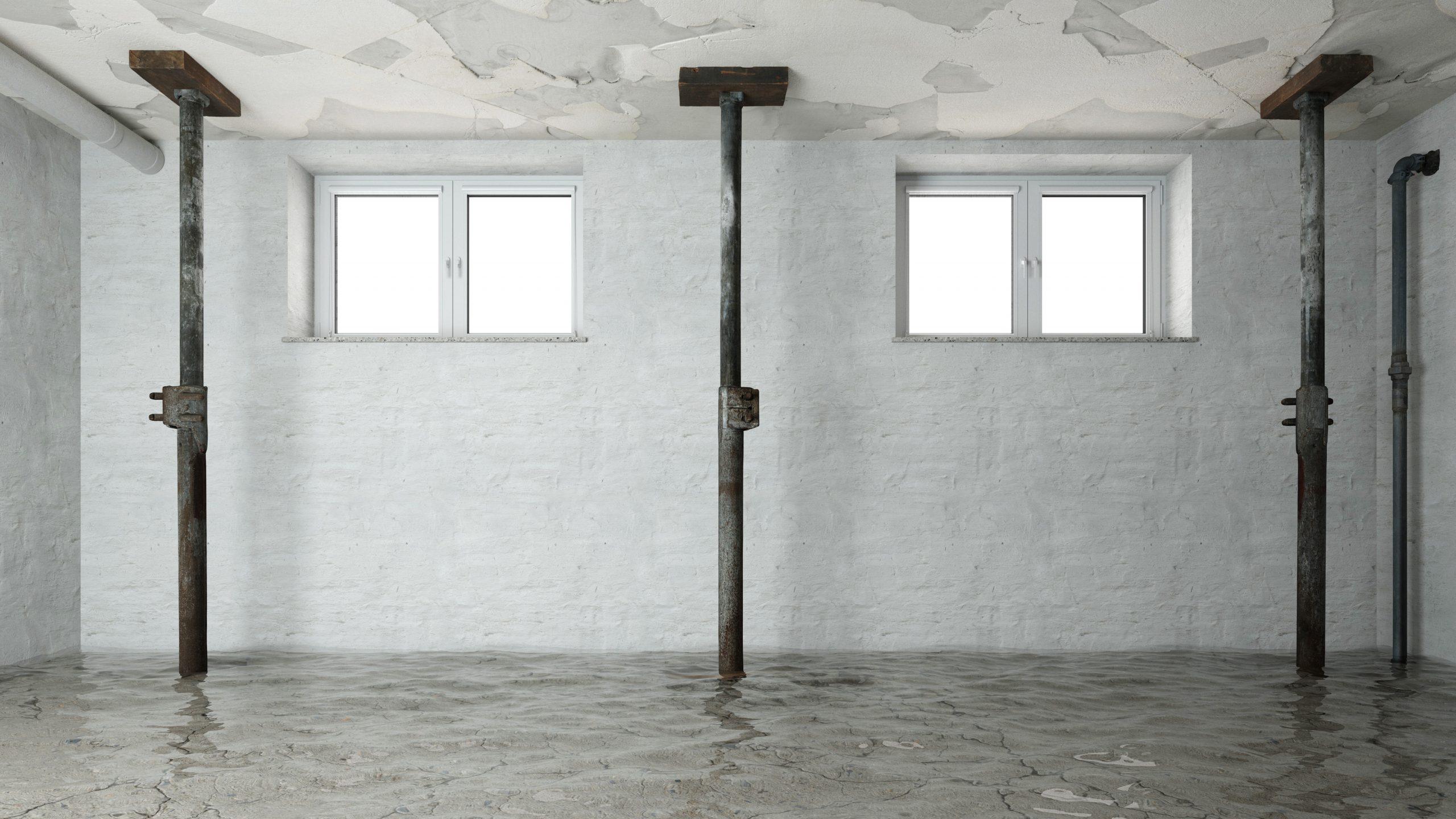
The solutions for a damp garage
Depending on the source, several steps clearly improve the situation.
- ventilate: low and high air vents create a flow of air;
- never block these vents, even in winter;
- wipe up water on the floor and help it drain away;
- pull boxes and furniture away from the walls and raise them off the floor;
- do not store damp laundry or freshly cut wood.
Treating damp at the source
If the garage stays damp despite ventilation, the cause runs deeper. An infiltration leak or rising damp needs a diagnosis to be treated properly. Sensitive items are better kept in closed boxes rather than in a damp wardrobe or straight on the floor.
Cutting the damp day to day
In the meantime, a few reflexes limit the damage: let the car drip dry outside when you can, air out as soon as the weather allows and keep an eye on the humidity. To go further, our tips to air out a damp room apply to the garage too.
Store and protect what you keep better
A garage often doubles as a store, but not everything keeps well there. Boxes sitting on the floor drink up moisture from below: go for shelves and closed plastic boxes, raised a few centimetres. Keep sensitive items, papers, textiles and appliances away from the walls, so the air can move behind them.
Look at what is happening around the building too. An overflowing gutter, ground that sends water back towards the foundations or a poorly drained threshold all feed the moisture in the space. Clearing the drains and steering rainwater away from the walls often makes a real difference.
Finally, do not turn the space into a drying room. Hanging laundry there or parking a dripping car adds a lot of vapour to an already poorly aired space, and keeps up the very problem you are trying to reduce.
Frequently asked questions
How do you air out a damp garage with no window?
Air vents, a low air inlet and a high outlet are enough to create a flow. An extractor can help if the air stays heavy. The key is never to block these passages.
Can a damp garage harm the house?
Untreated damp can reach the neighbouring rooms and encourage mould and smells. It is better to act early, especially if the garage adjoins the home.