Damp walls and floors: why they may need separate interventions
October 24, 2026
Products for damp walls: choose by the cause, not the label
October 24, 2026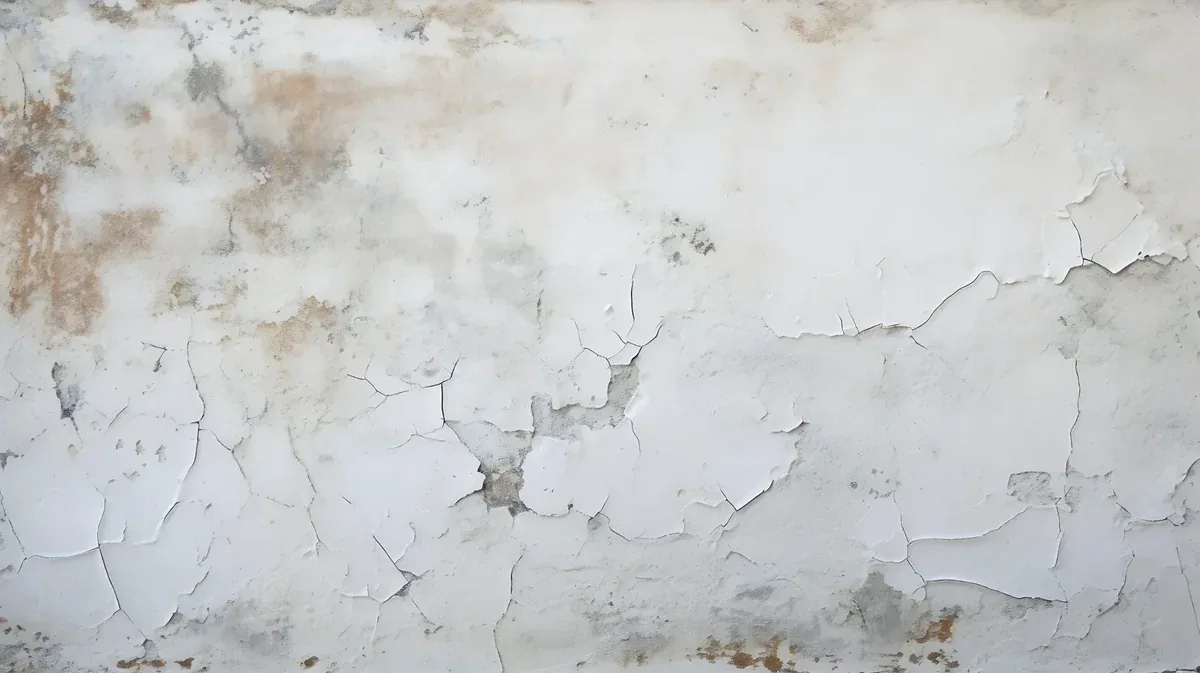
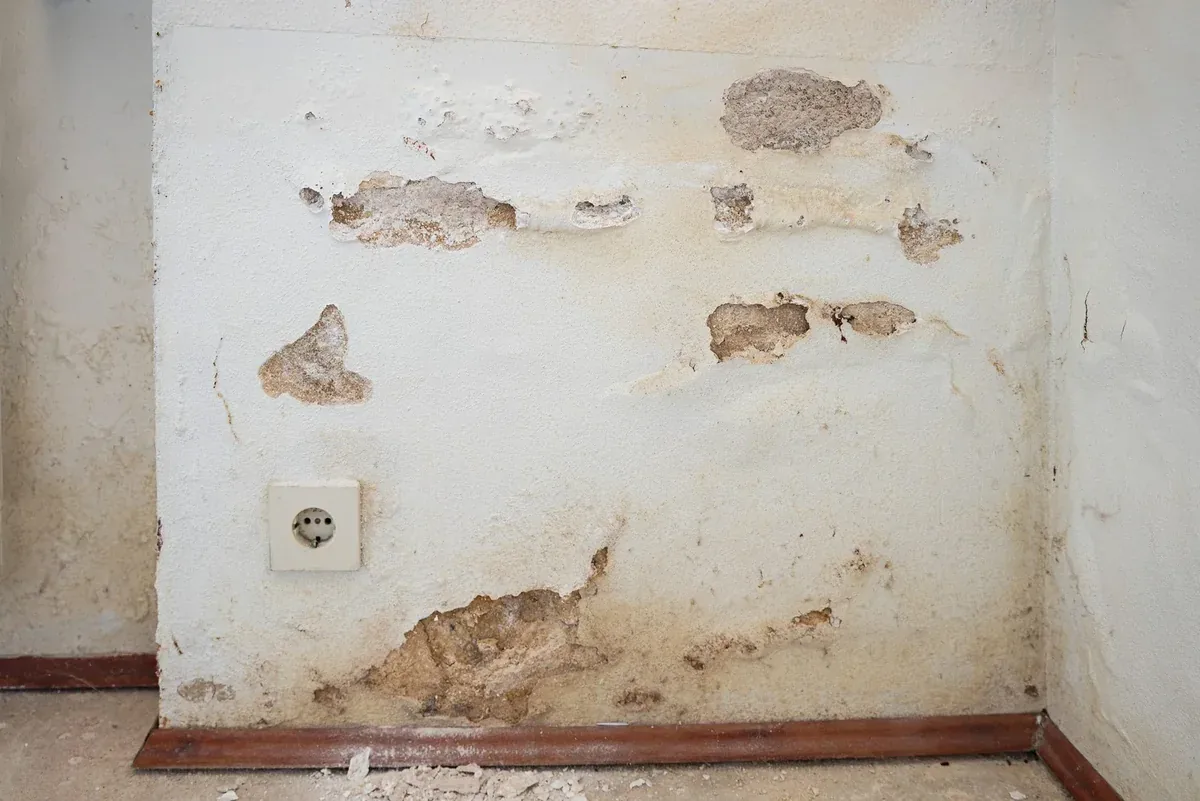
An internal mark may relate to the facade, while an external one may relate to the base of the wall. Look at the wider setting before selecting a product from appearance alone.
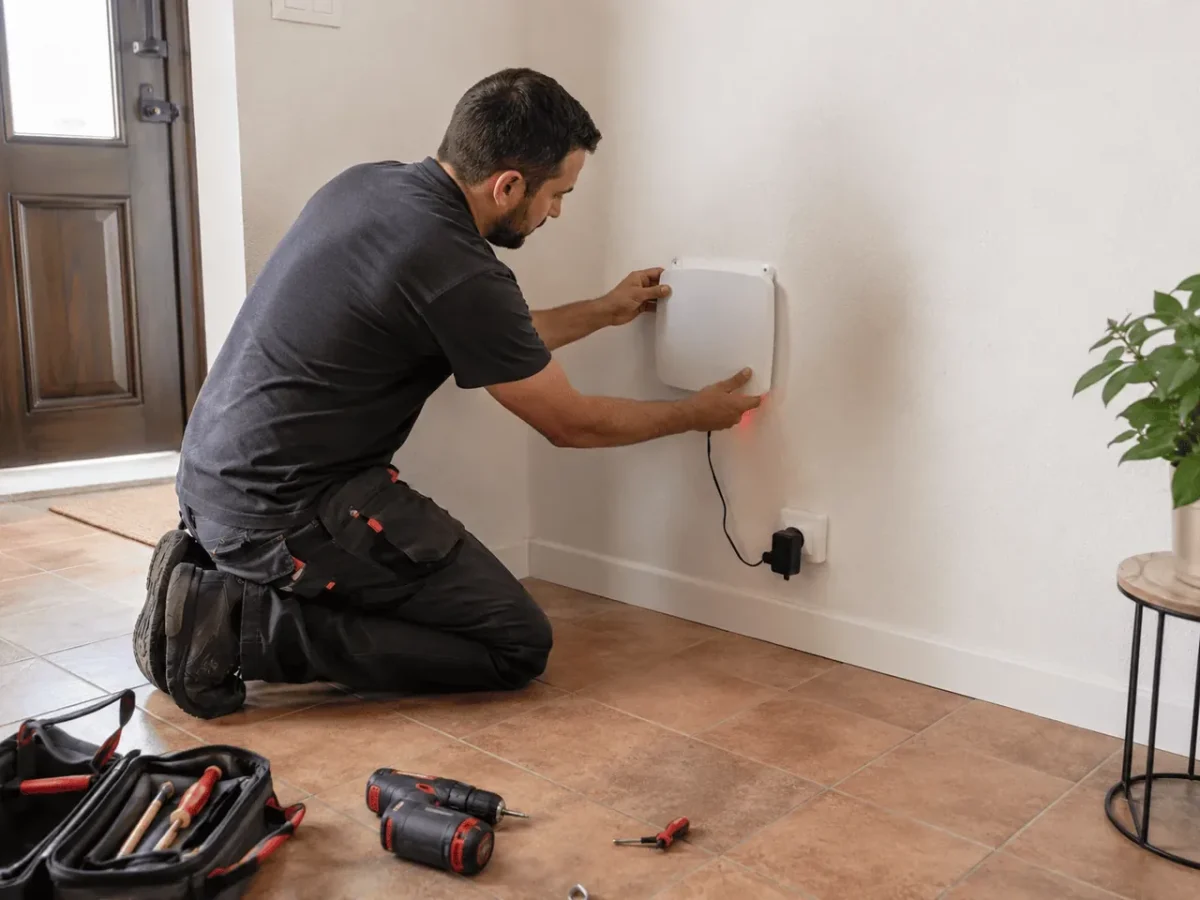
Before choosing equipment, prepare a plan and dated photographs. Humidistop provides product pages and instructions so you can examine the reference and positioning before purchase. If the moisture cause remains uncertain, clarify it before deciding on treatment and identify any independent repairs still needed.
Inside and outside offer different clues
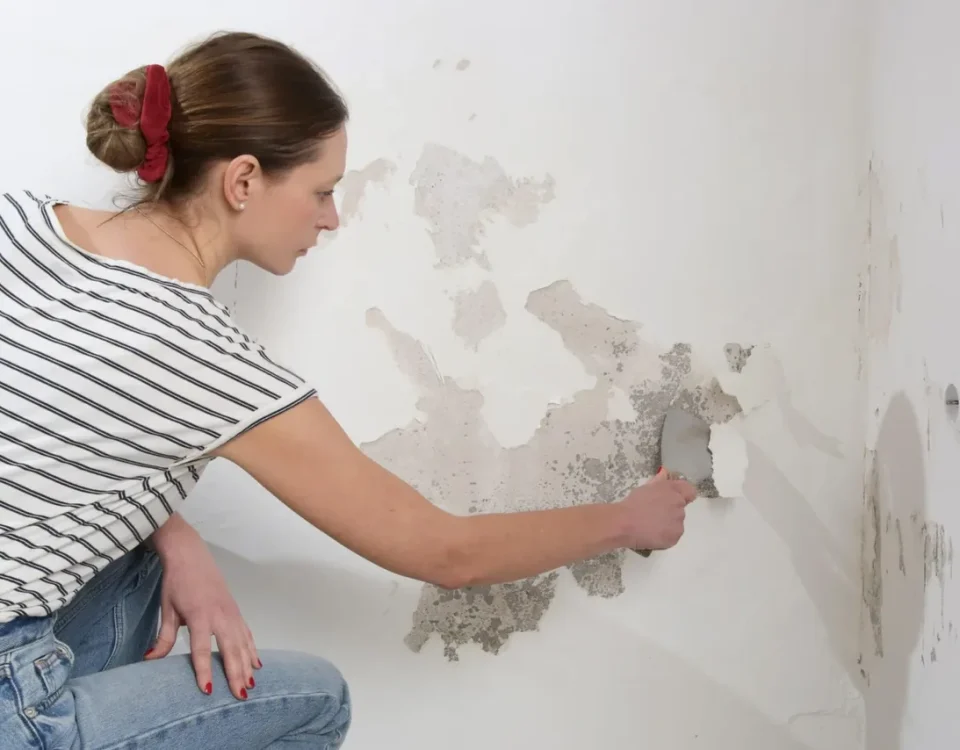
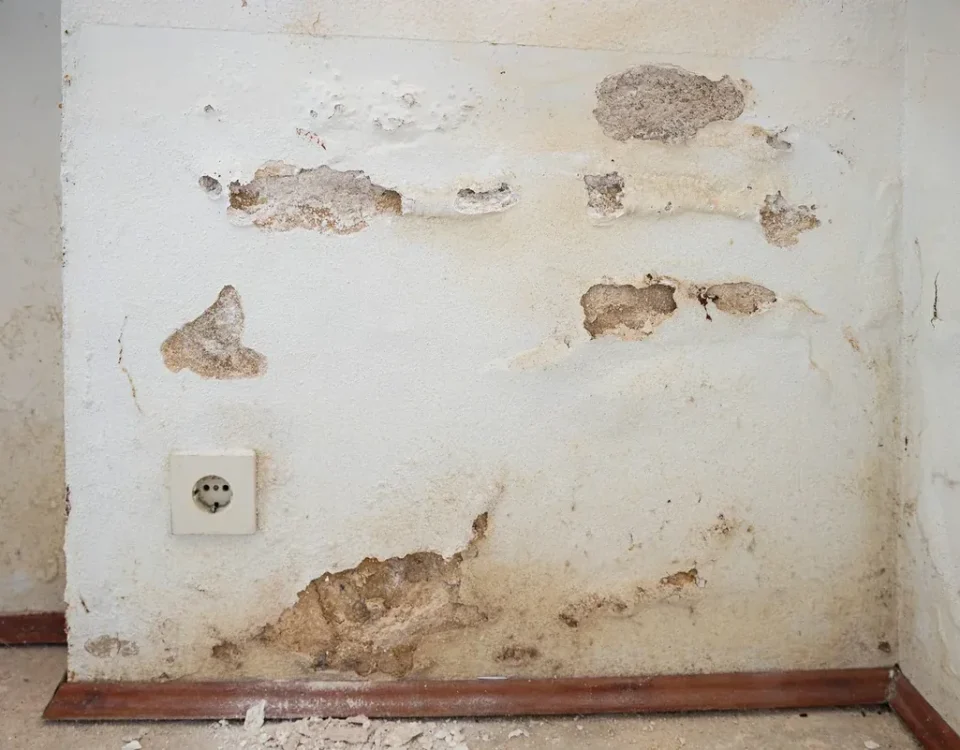
From accessible places, examine drainage, joints, visible cracks and adjoining ground without working at height. Add an overall view of the surroundings. Inside, identify water points, cold surfaces, furniture and activities producing moisture. Relate changes to rainfall and occupation. Colour does not, by itself, distinguish condensation, leakage and rising damp: compare position, chronology and materials together.
Address the water path
A facade allowing water in needs the relevant defect repaired. A ventilation issue needs attention as such. ATE and ATG are considered when rising damp in the masonry is identified; they do not replace those repairs. For thick or partly below-ground walls, put levels and accessible sides on the same plan. This helps explain the scope and limits before choosing, rather than addressing only the visible manifestation.
Before you decide
- Document the walls and possible water sources.
- Check the model and installation instructions.
- Separate fitting, monitoring and reinstatement of finishes.
A practical question
Should you treat only the side with the mark?
The visible area guides observation but does not necessarily identify where the water enters or where intervention is needed.
Compare our wall drying devices
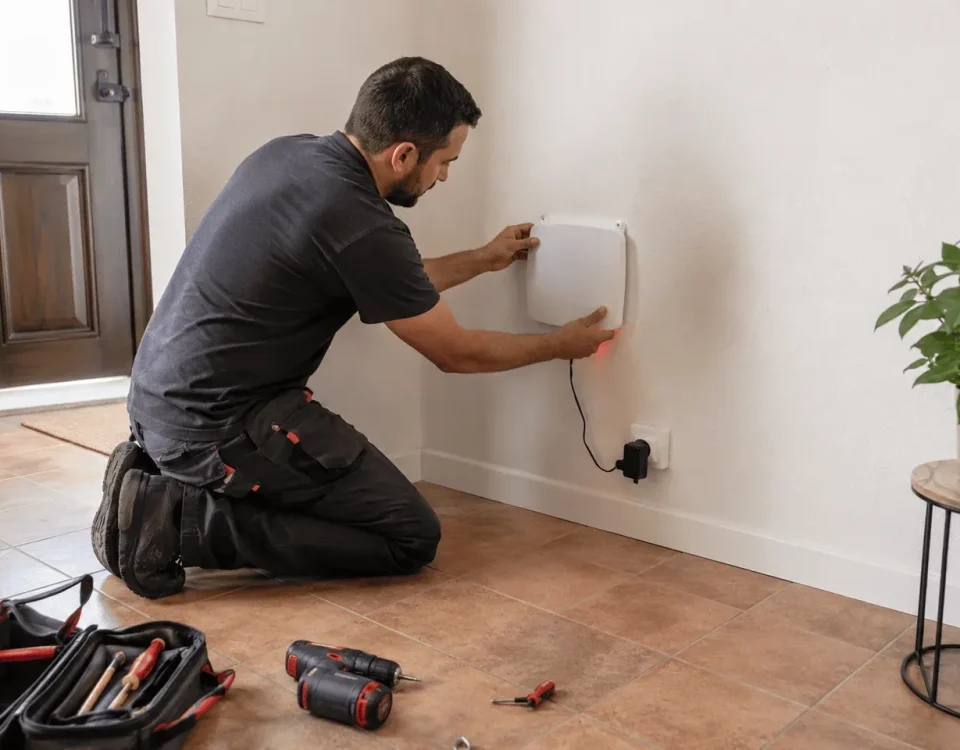
The range includes mains-powered ATE LC15, ATE LC30, ATE LC30 PULSE and ATE MAX, alongside ATG LC15 and ATG LC30 without electricity. The devices are manufactured in Castres, France. Compare the diameter with the building layout and follow the instructions. The manufacturer’s 10-year warranty applies under its conditions. The device does not replace independent interventions on leaks, penetrating water or ventilation.
ATE LC15 · ATE LC30 · ATE LC30 PULSE · ATE MAX · ATG LC15 · ATG LC30