Wall drying device reviews: separate installation feedback from observed results
October 24, 2026
Damp inside or outside a wall: compare both sides before treatment
October 24, 2026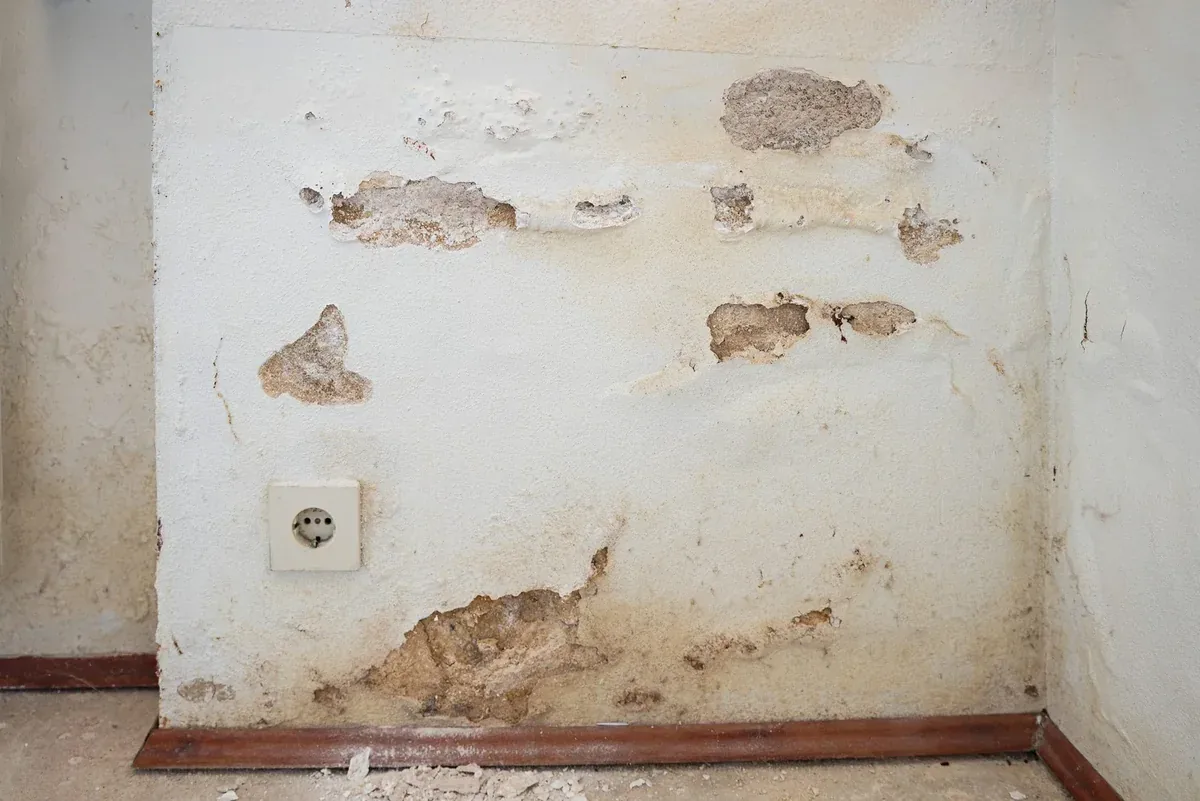
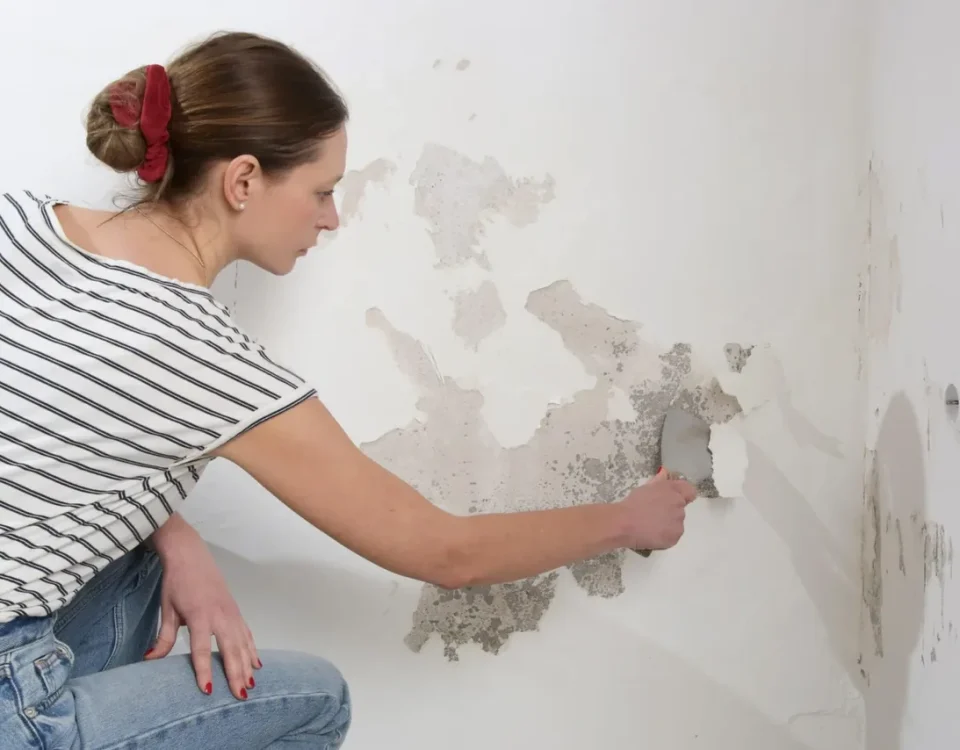
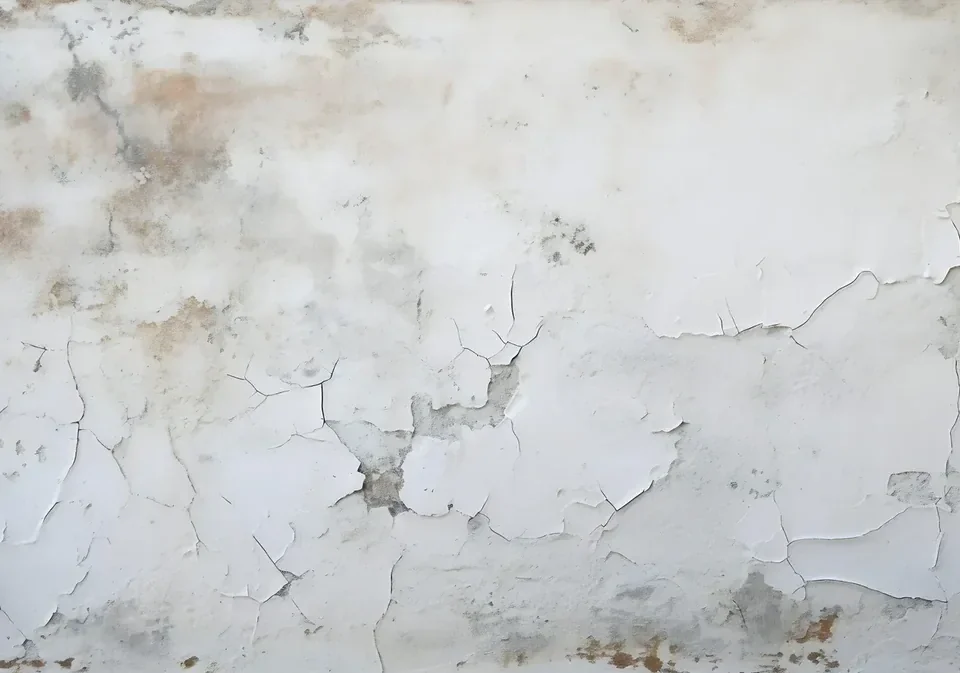
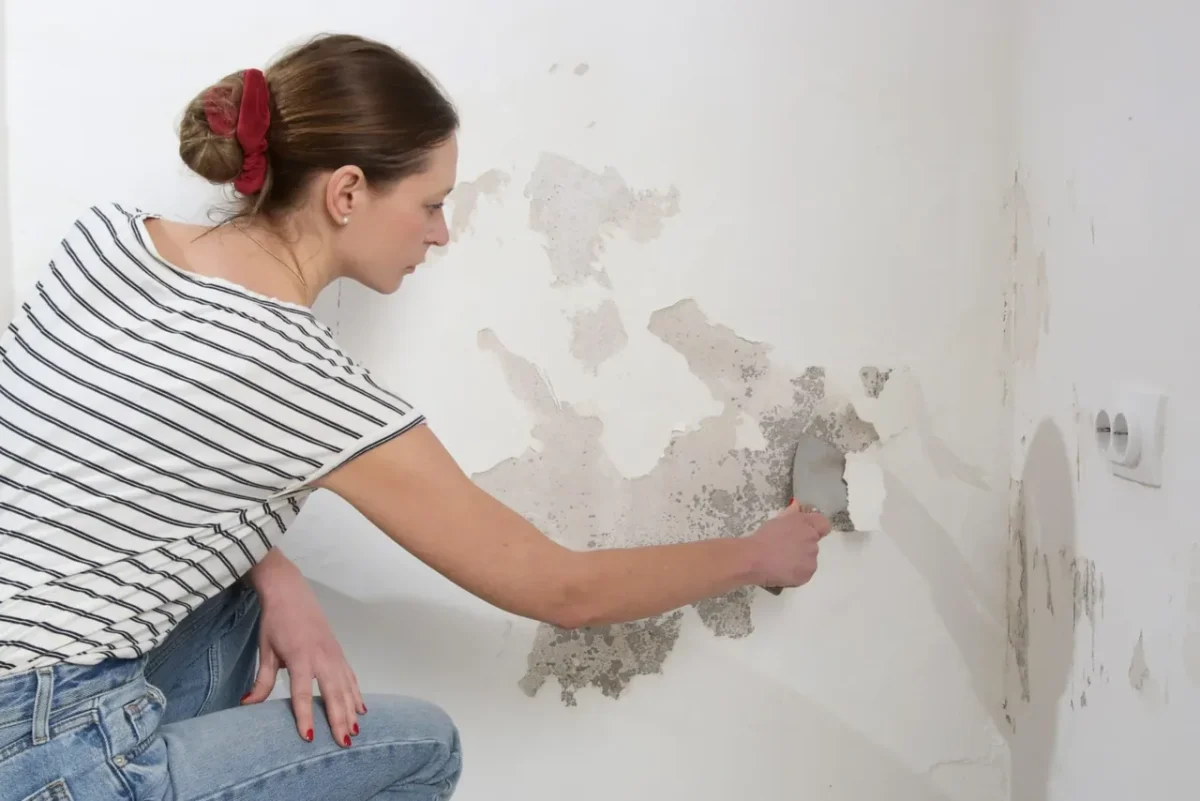
Marks on the floor and wall make a single solution sound attractive. Two nearby symptoms do not, however, prove that the water follows the same path.
Before choosing equipment, prepare a plan and dated photographs. Humidistop provides product pages and instructions so you can examine the reference and positioning before purchase. If the moisture cause remains uncertain, clarify it before deciding on treatment and identify any independent repairs still needed.
Describe each substrate
Distinguish floor covering, slab, skirting and masonry. Locate pipes, below-ground walls and external levels. Record changes after cleaning, rainfall and use of water. Measurements need interpretation according to the material and method; the figures are not always directly comparable. A waterproofing defect or leak requires a specific assessment even where the adjacent wall shows similar marks.
Define the device scope
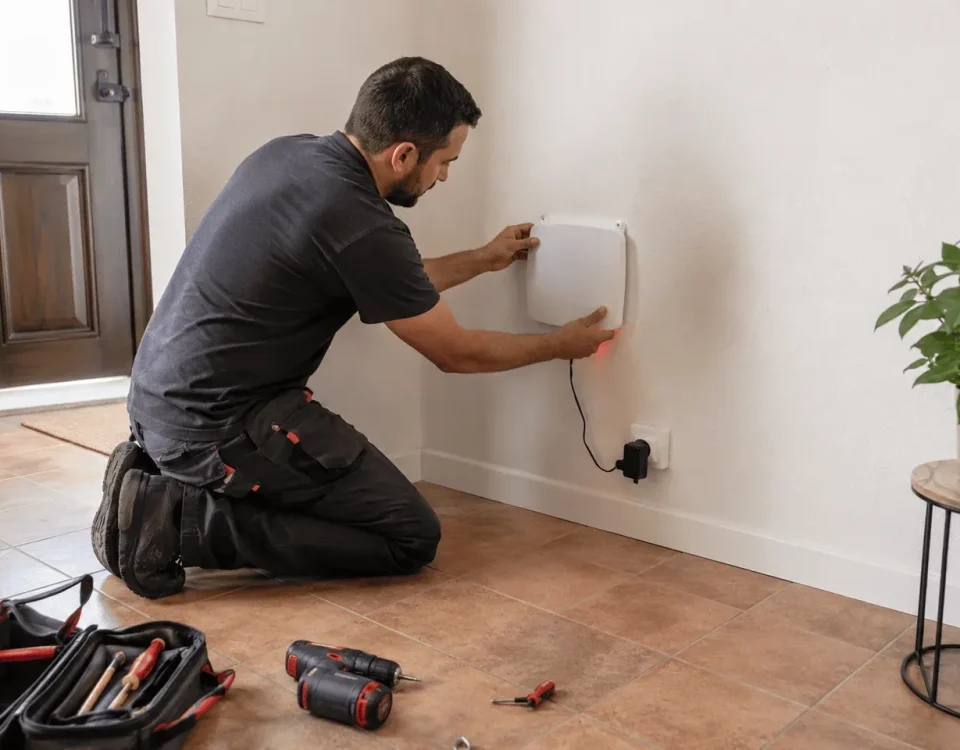
ATE and ATG are offered for rising damp in walls. They do not replace waterproofing a slab or repair pipework. Present the plan and affected materials to separate equipment from independent interventions. A coverage diameter is not a universal guarantee for every material inside the building. Ask which parts are considered and how they will be observed before reinstating finishes. The visible position of a mark should not be the sole basis for a conclusion.
Before you decide
- Document the walls and possible water sources.
- Check the model and installation instructions.
- Separate fitting, monitoring and reinstatement of finishes.
A practical question
Does a wall device repair water entering through a slab?
No. Water entering through a slab or service needs to be located and addressed with an appropriate intervention.
Compare our wall drying devices
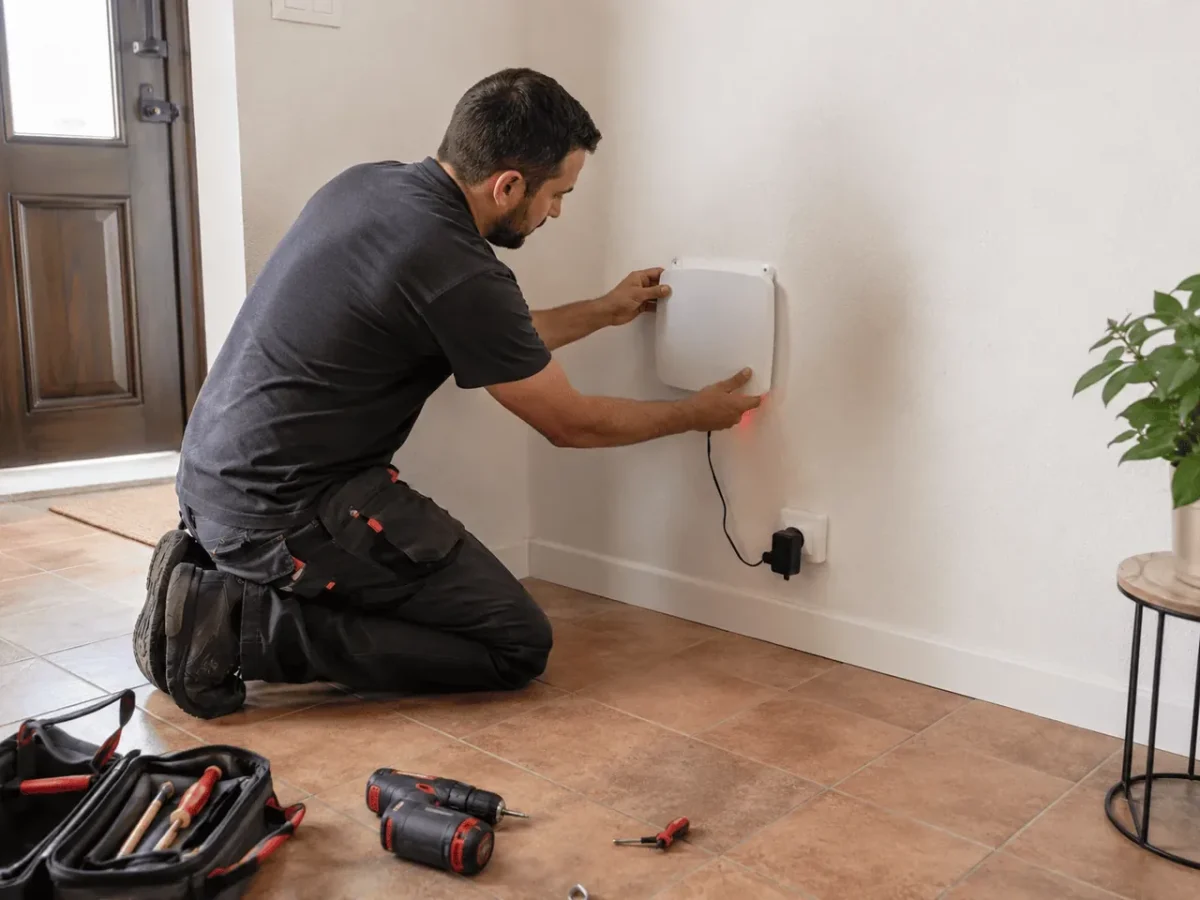
The range includes mains-powered ATE LC15, ATE LC30, ATE LC30 PULSE and ATE MAX, alongside ATG LC15 and ATG LC30 without electricity. The devices are manufactured in Castres, France. Compare the diameter with the building layout and follow the instructions. The manufacturer’s 10-year warranty applies under its conditions. The device does not replace independent interventions on leaks, penetrating water or ventilation.
ATE LC15 · ATE LC30 · ATE LC30 PULSE · ATE MAX · ATG LC15 · ATG LC30