ATE or ATG: which Humidistop device to choose against damp walls
July 13, 2026
Damp Bedroom Walls: Causes and Practical Fixes
August 13, 2026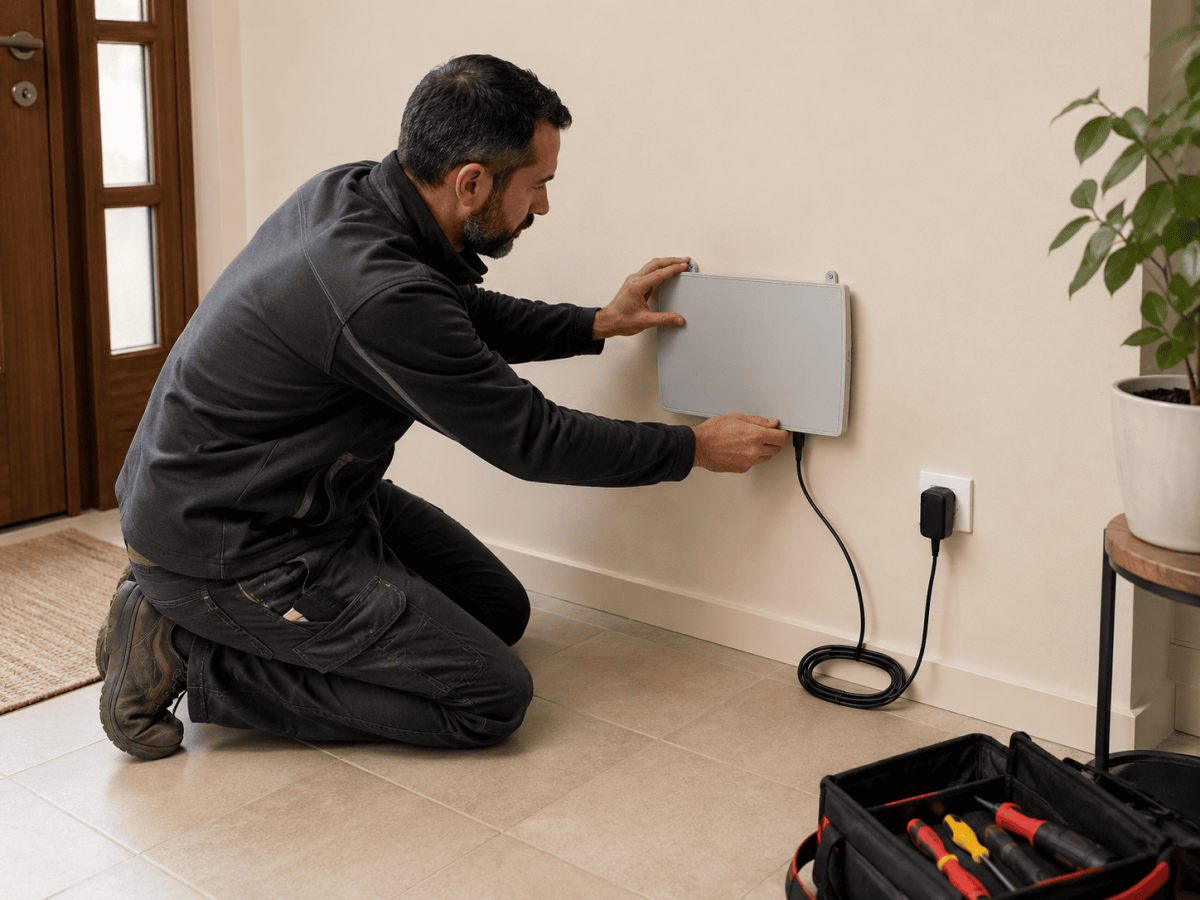
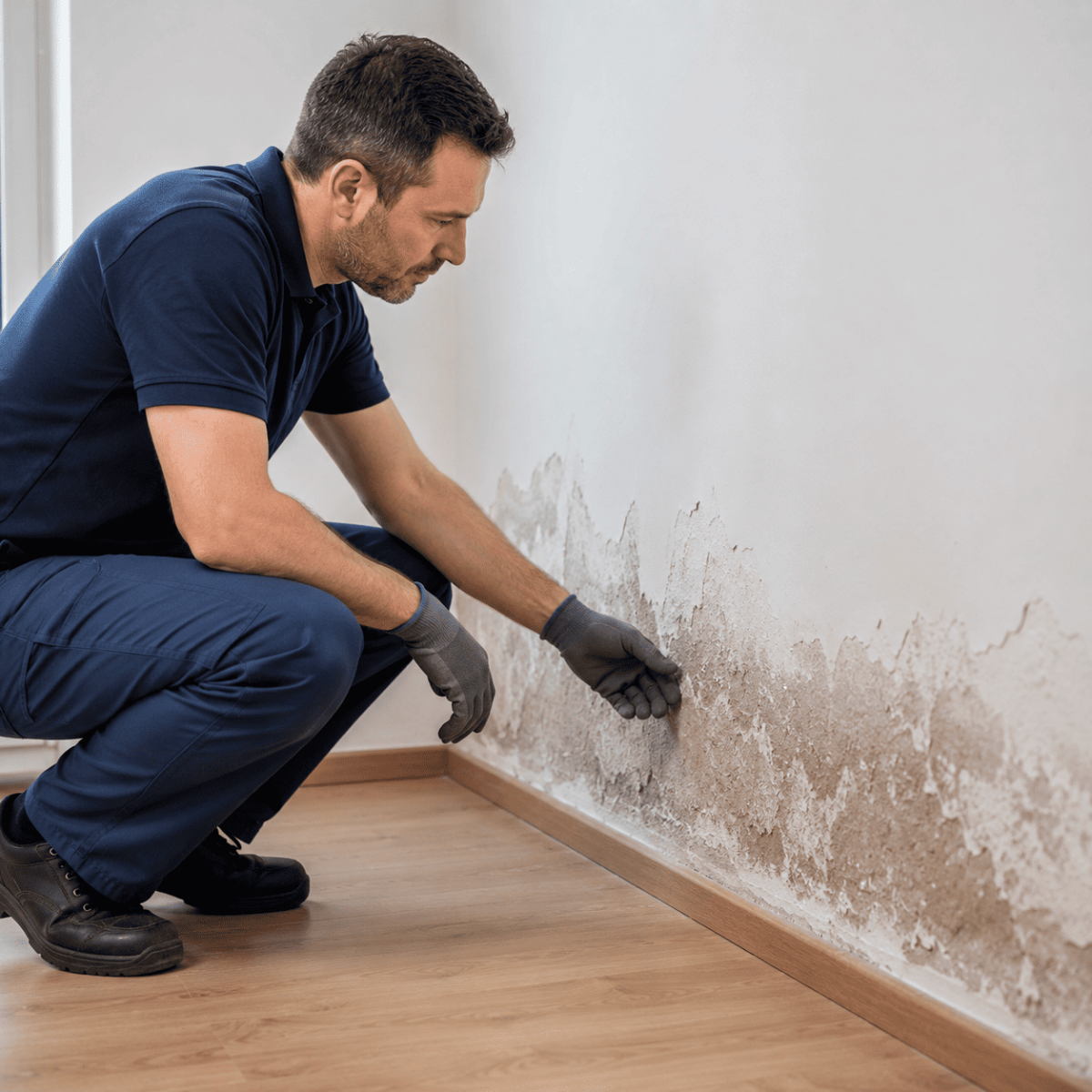
Done properly, internal wall damp treatment works from the base upwards. So before a board or a tin of paint comes near the room, check the wall. Find out whether the masonry is drawing water out of the ground. A finish laid over a wet wall lasts one season.
An internal wall picks up damp from three places: the ground below, a nearby leak, or the room air. Each one calls for a different answer, and internal wall damp treatment means treating the right one.
Where internal wall damp treatment really starts
Brick, stone and mortar are full of microscopic channels, and water climbs them as it climbs a paper towel. The narrower the channel, the higher it goes, an effect known as capillary action. Our article Rising Damp: 6 Signs That Should Alert You traces that climb from the footings up.
At the surface the water evaporates and leaves its salts in the plaster. They crystallise, they swell, and they crumble the render from within. That is why a wall looks sound in June and blisters in November. Those crystals also draw moisture out of the air. So ATE or ATG: which Humidistop device to choose against damp walls is worth reading first.
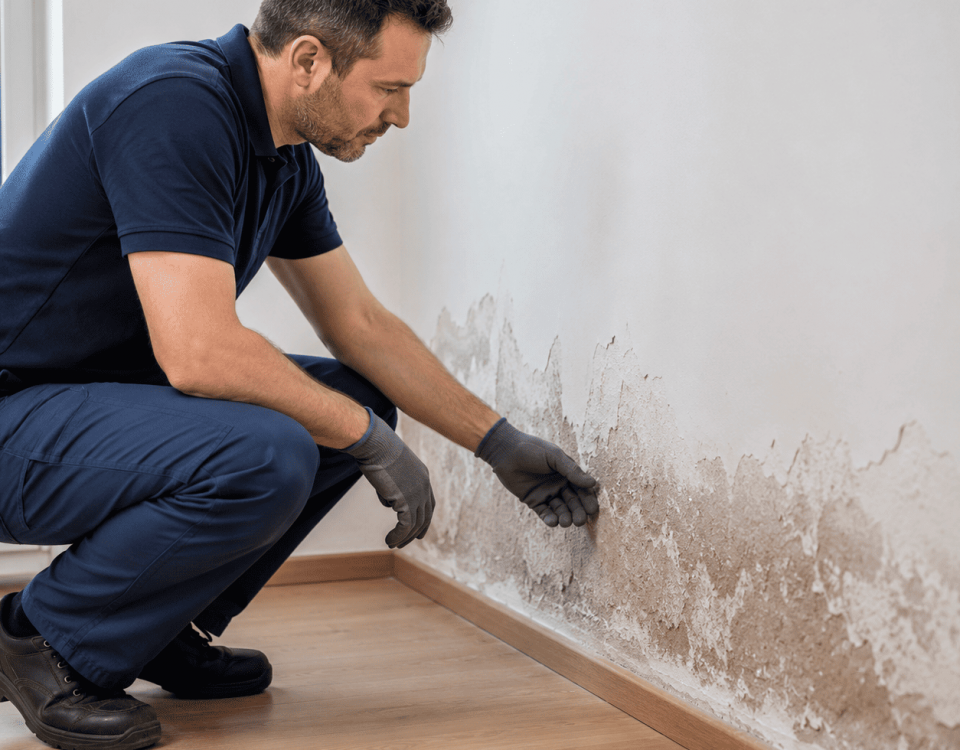
The tide mark tells you most of what you need. Low and steady means the ground. High and spreading after rain means the outside face, while beads on the coldest corner mean the air. Our article Damp Garage: Causes and Effective Solutions sets out the signs.
Why dry lining rarely counts as internal wall damp treatment
Plasterboard on battens hides the mark within a day. Yet the water carries on climbing behind it, and the salts carry on growing. So the battens sit in the damp zone for years.
Then an internal waterproof membrane behaves the same way. It moves the wet face further back into the wall. Then it sends the damp higher up, often into the floor above. Neither approach counts as internal wall damp treatment, and both make the next repair harder.
A renovating lime render is more honest work. It holds salts in its thickness and lets vapour out, so the wall keeps drying while it looks presentable. Even so, that is one layer of internal wall damp treatment rather than the whole job.
Treating the masonry itself
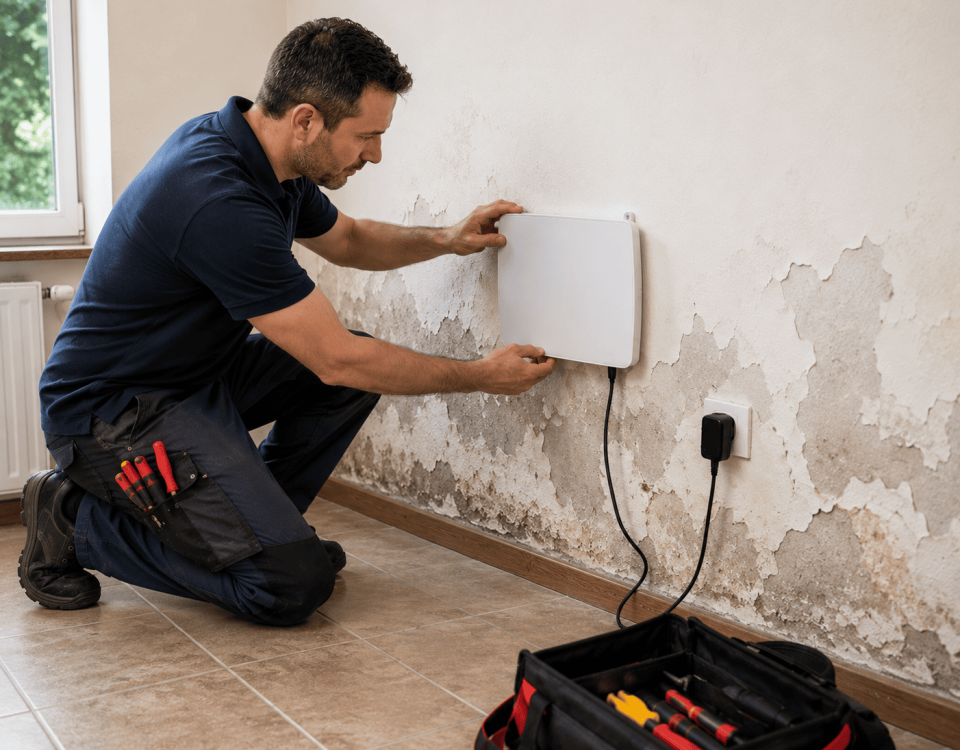
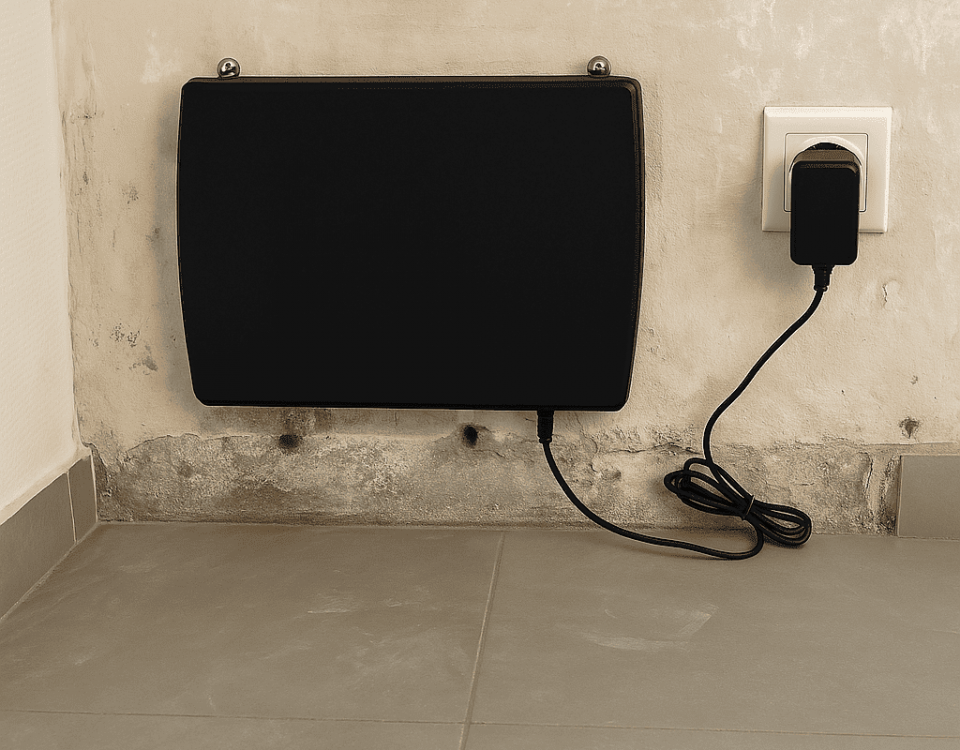
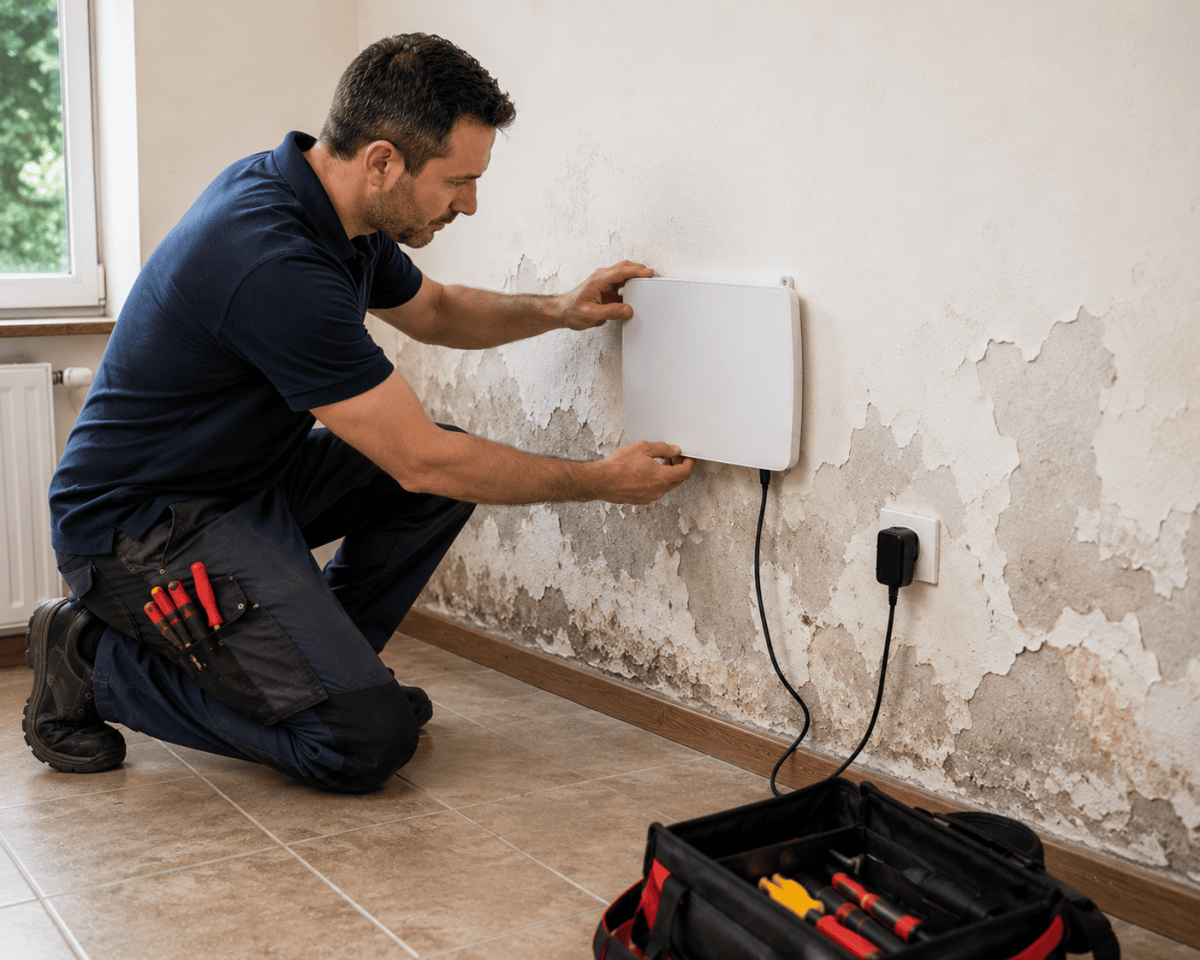
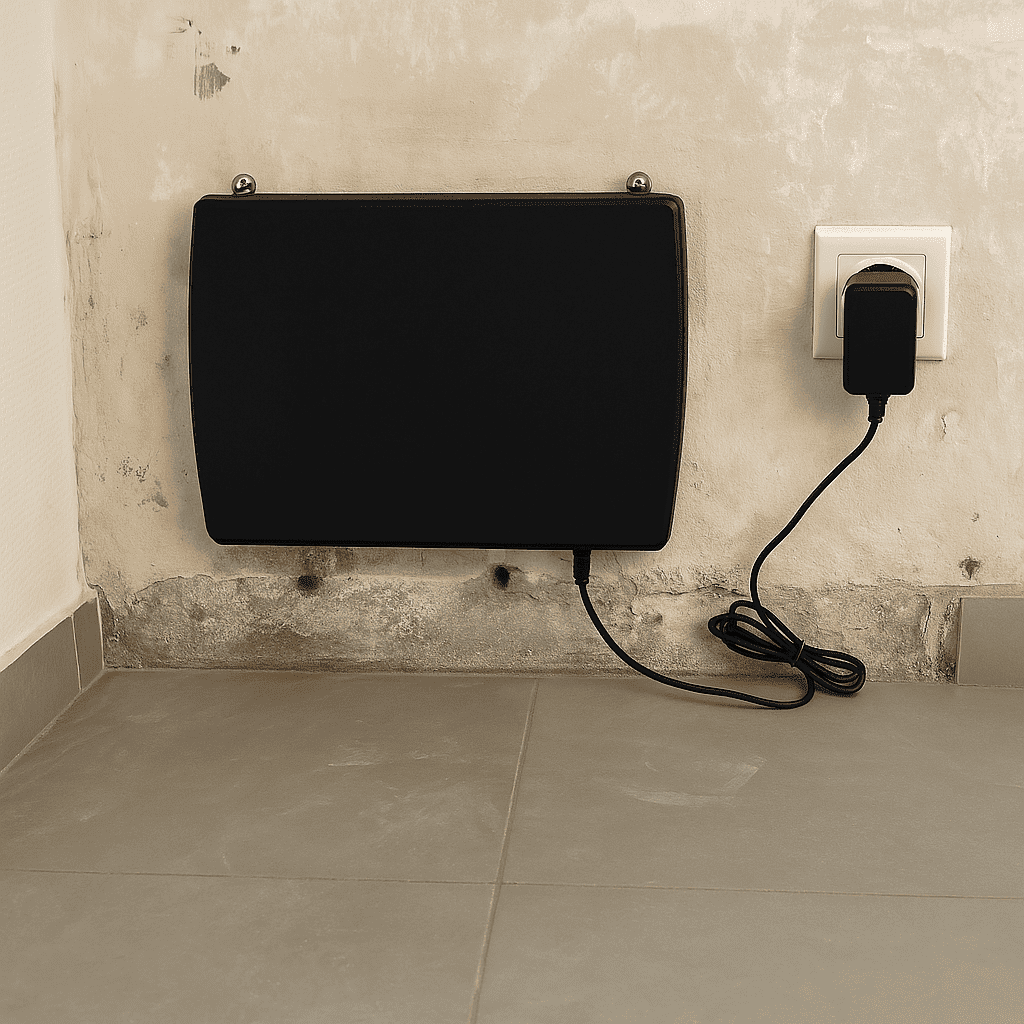
The ATE is an electromagnetic polarity inverter. It plugs into an ordinary socket and sends very low frequency electrical pulses through the masonry, continuously. Its design principle comes from electro-osmosis. The pulses act on the electrical charges where the water meets the wall of the pore. So they work against the climb and favour the return of the water towards the footings.
That is a design principle, and we present it as nothing more. The unit takes no water out and adds no heat, so the wall dries by ordinary evaporation. Visible results come between 18 and 24 months, and a thick stone wall sits at the slower end.
So internal wall damp treatment means patience. The ATG follows the same principle as a geomagnetic polarity inverter, with no supply at all. Our guide Damp Wall Treatment: Which Solution Should You Choose? compares the two ranges.
Choosing the model that covers your walls
Each unit works over a radius, measured from the point where you fix it. So measure the walls you want to treat, then pick the model whose radius covers them from a central position.
| Model | Range | Price |
|---|---|---|
| ATE LC15 | 7.5 m radius, 15 m across | €1,290 |
| ATE LC30 | 15 m radius, 30 m across | €1,590 |
| ATE MAX | 30 m radius, 60 m across | €1,990 |
Every unit draws 0.75 W on a 12 V supply and measures 322 x 232 x 32 mm. Each one carries a 10-year manufacturer warranty. All three are made in France, and delivery costs nothing. The ATG follows the same design principle with no mains supply, which suits a wall with no socket within reach.
Fitting the unit yourself
Fix it to a load-bearing wall or a partition wall, between 30 cm and 1 m above the floor. Aim for the centre of the area to treat. Two wall plugs and a socket, less than an hour, no tradesman.
Never fix it to plasterboard and never to insulation. The back of the unit has to touch the masonry. Keep 1.50 m between the unit and any other electrical equipment.
If the bottom of the wall carries a waterproof cement render, cut that render back over ten centimetres or so. Then the water reaches the air and evaporates, instead of sitting trapped behind a sealed skin.
The finishes that matter for internal wall damp treatment
Once the wall has dried, keep every layer vapour-open. Lime plaster, mineral paint and a breathable render let the masonry release what it still holds. A plastic emulsion traps it instead. Our guide Anti-Damp Paint: Is It Really Effective? runs through the choices.
Leave a gap behind wardrobes on any wall that has been damp. Air moving across the plaster does half the drying. So a sealed pocket in a corner undoes much of the work.
Watch the outside as well, because internal wall damp treatment fails if the ground keeps feeding it. A path raised above the internal floor level will beat any treatment. So will a blocked air brick, or a downpipe discharging at the foot of the wall. If a building site does not appeal, Rising damp injection or an anti-damp device? sets out the route that leaves the room intact.
Frequently asked questions
Can I dry-line an internal wall to hide the damp?
Dry lining hides the mark, and the water keeps climbing behind the boards. The battens then sit in the damp zone, so the repair grows each year.
Does a waterproof membrane on the inside work?
An internal membrane pushes the wet face deeper into the wall. Often it sends the damp up to the floor above. That is concealment rather than internal wall damp treatment.
Where should the unit go for internal wall damp treatment?
Fix it to a load-bearing wall or a solid partition wall, between 30 cm and 1 m above the floor. Keep it 1.50 m away from other electrical equipment.
How much electricity does the unit use?
The ATE draws 0.75 W on a 12 V supply, which is less than a night light. The ATG uses no supply at all.
What area does the ATE MAX cover?
The ATE MAX works over a 30 m radius, so 60 m across from a central fixing point. One unit then covers most houses.
Before you order
The unit treats rising damp and capillary damp, and nothing else. It does nothing for a leaking gutter, for driving rain, or for poor ventilation. Those three causes together remain more common than capillary damp, so rule them out first.
Rather than guess, send us two or three photos. One of the bottom of the wall, one of the room, one of the outside face. We read them and tell you which model fits, or tell you plainly that your problem lies elsewhere.
See the ATE and ATG models · free delivery, 10-year warranty, made in France