How to Use a Dehumidifier the Right Way
July 9, 2026
Rising Damp: 6 Signs That Should Alert You
July 9, 2026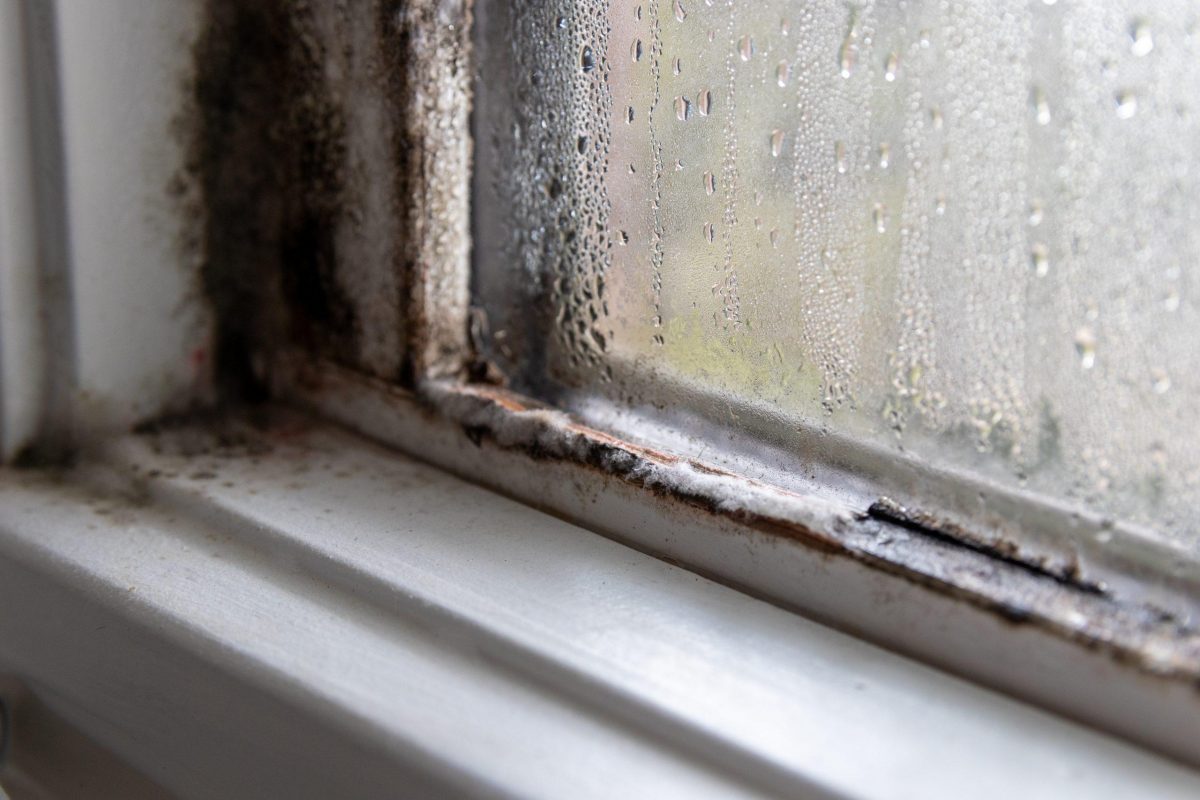
Air that is too dry and scratches your throat, or windows covered in condensation: the humidity level in a home quickly makes itself felt day to day. Knowing it well helps you gain comfort and avoid both condensation and mould. But what ideal humidity level should you actually aim for, and how do you measure it without making life complicated? Here is the right benchmark and the handy habits to adopt.
What ideal humidity level should you aim for in a house?
For a healthy, comfortable interior, the recommended relative humidity generally sits between 40% and 60%. Below 40%, the air turns dry and can irritate the airways. Above 60%, the moisture encourages condensation, dust mites and mould. This ideal humidity level of 40% to 60% is really the only figure worth keeping in mind.
How to measure the humidity at home
A small hygrometer, which costs little, shows the humidity as a percentage. Place it away from direct sources of heat or steam, not against a window and not above a radiator. Take a reading at different times of day and in several rooms, because the bathroom or kitchen naturally climb higher than the living room.
Too damp or too dry: the tell-tale signs
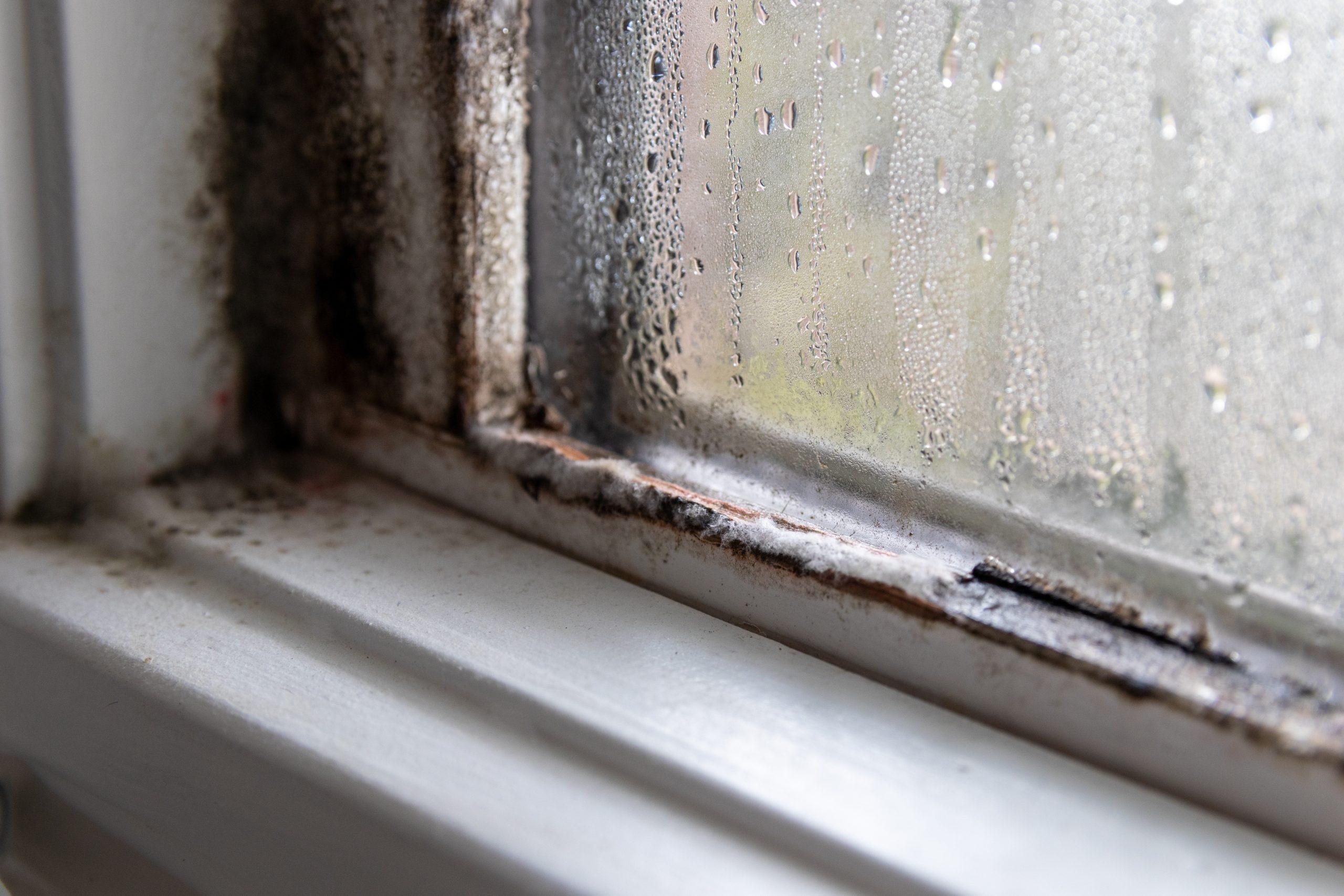
- lasting condensation on the windows and droplets on cold walls;
- a musty smell, laundry that dries badly, black spots in the corners;
- conversely, a dry throat, chapped lips and static electricity;
- wood that moves, furniture or flooring that cracks when the air is too dry.
Bringing a humidity level that is too high back down
When the humidity climbs above 60%, a few habits are often enough to bring it back into the right zone.
- air out each room for 10 minutes morning and evening, even in winter;
- maintain the mechanical ventilation and never block the air vents;
- cover your pans, use the extractor hood and dry laundry outdoors;
- pull furniture slightly away from cold walls to let the air move.
If the air still feels heavy, using a dehumidifier the right way can help, and our tips to air out a damp room round out these everyday habits nicely.
Why aim for this range
Staying in this zone is far from trivial. Air that is too dry parches the mucous membranes, makes floorboards creak and sometimes disturbs sleep. Air that is too damp, on the other hand, clings to the skin, feeds dust mites and lets cold walls fog over. The right range, around this ideal humidity level, is also the one in which the materials of the house age best.
The seasons play a big part. In winter, heating dries out the indoor air, while in mild spells or rainy weather the air quickly loads up with water. Adapting your habits through the year, rather than aiming for one fixed setting, always gives the best results.
Frequently asked questions
What is the ideal humidity level at night in a bedroom?
The same range of 40% to 60% works. A slightly cooler bedroom is pleasant for sleeping, as long as you air it out in the morning to clear the moisture produced overnight.
Is a humidity reading of 70% dangerous?
It is not dangerous in itself, but kept lastingly above 60%, the air encourages mould and dust mites. It is better to look for the cause and ventilate the house more.