MEDIA · 2025
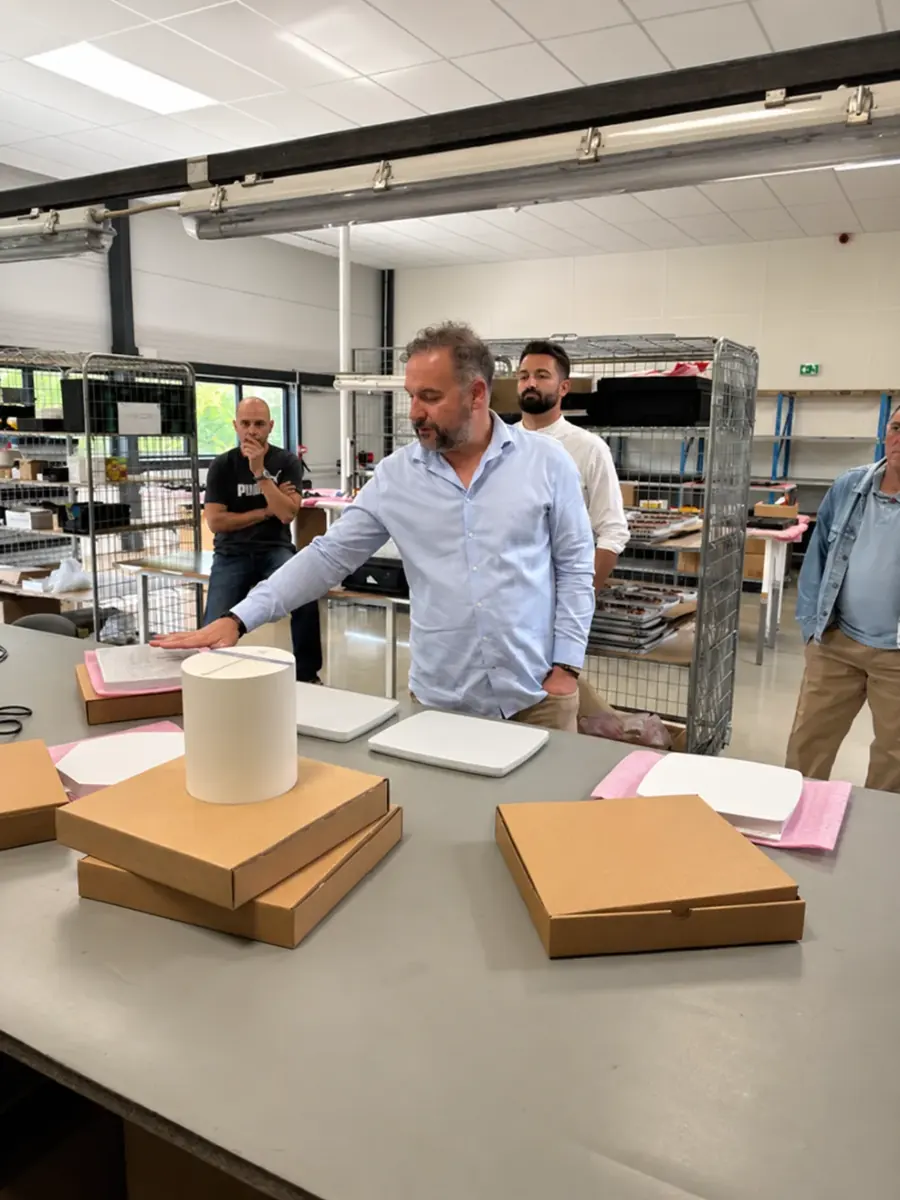
Forbes interview: meet a French company
William Coignard introduces the company and its background.
Watch on YouTube ↗Rising damp, condensation and penetrating damp: explore our advice to recognise the source of moisture and choose an approach suited to your building.
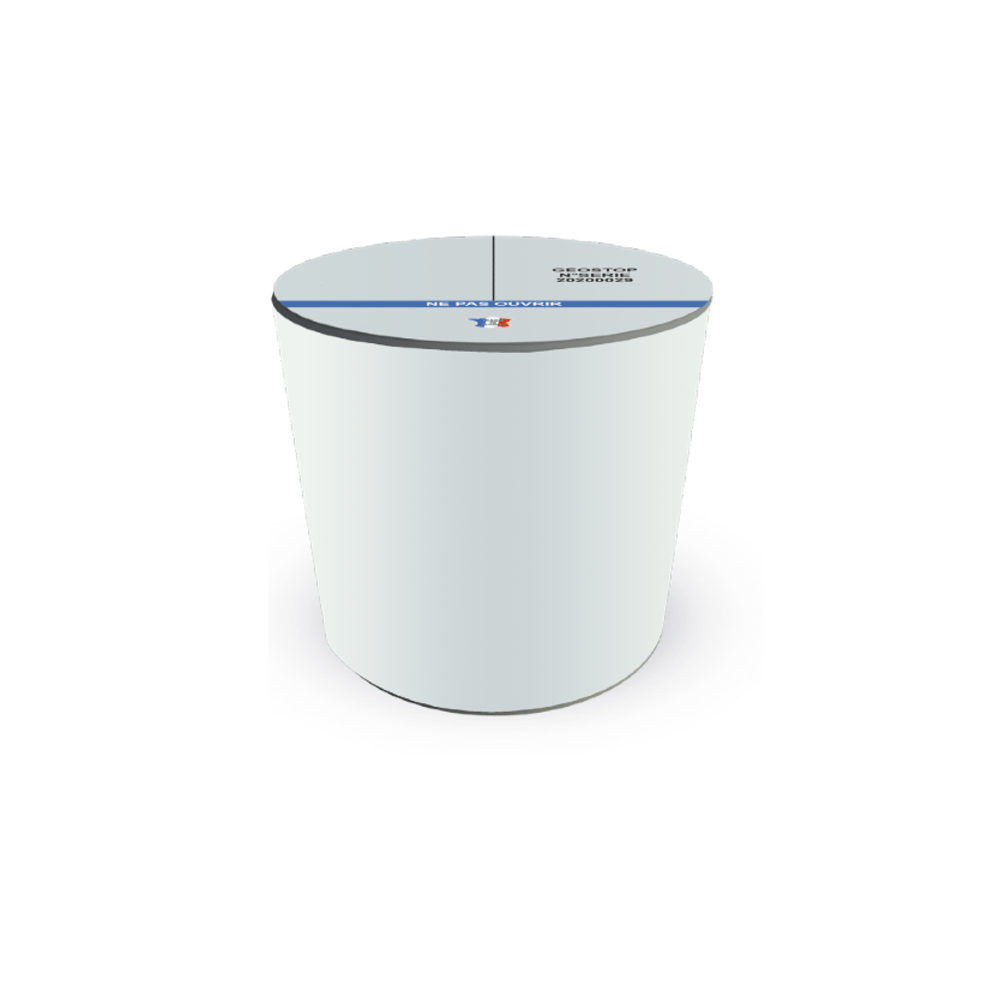
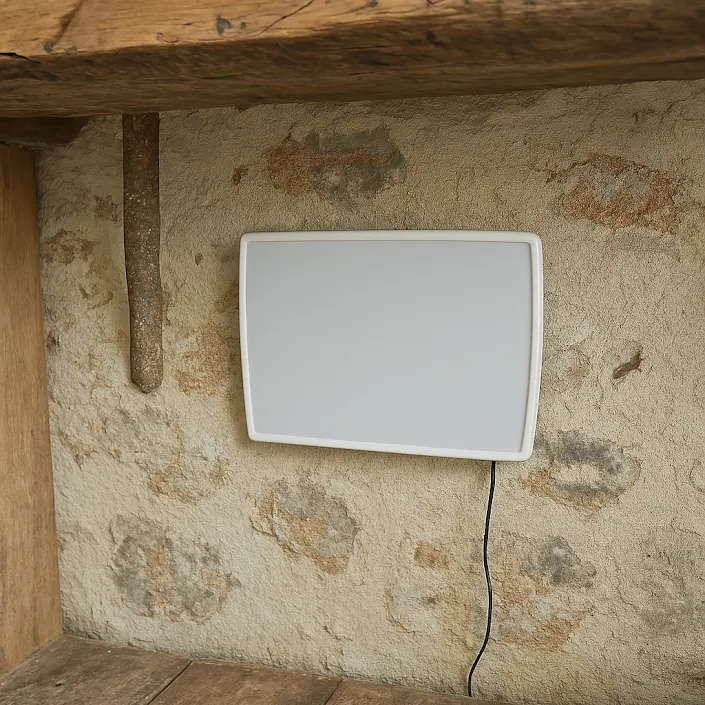
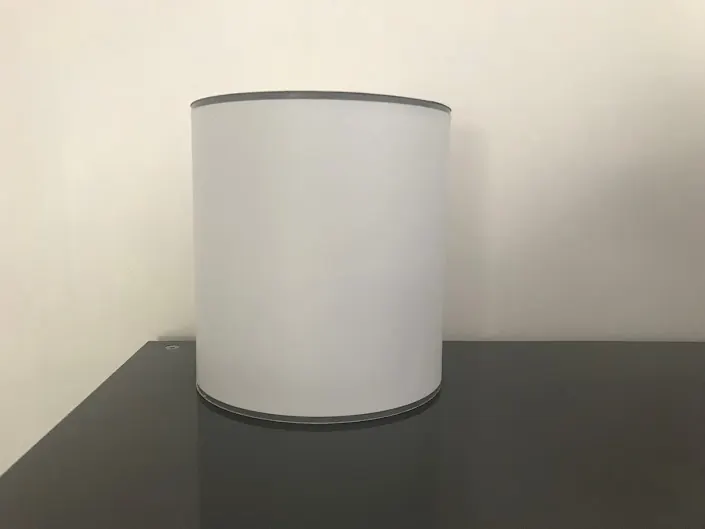
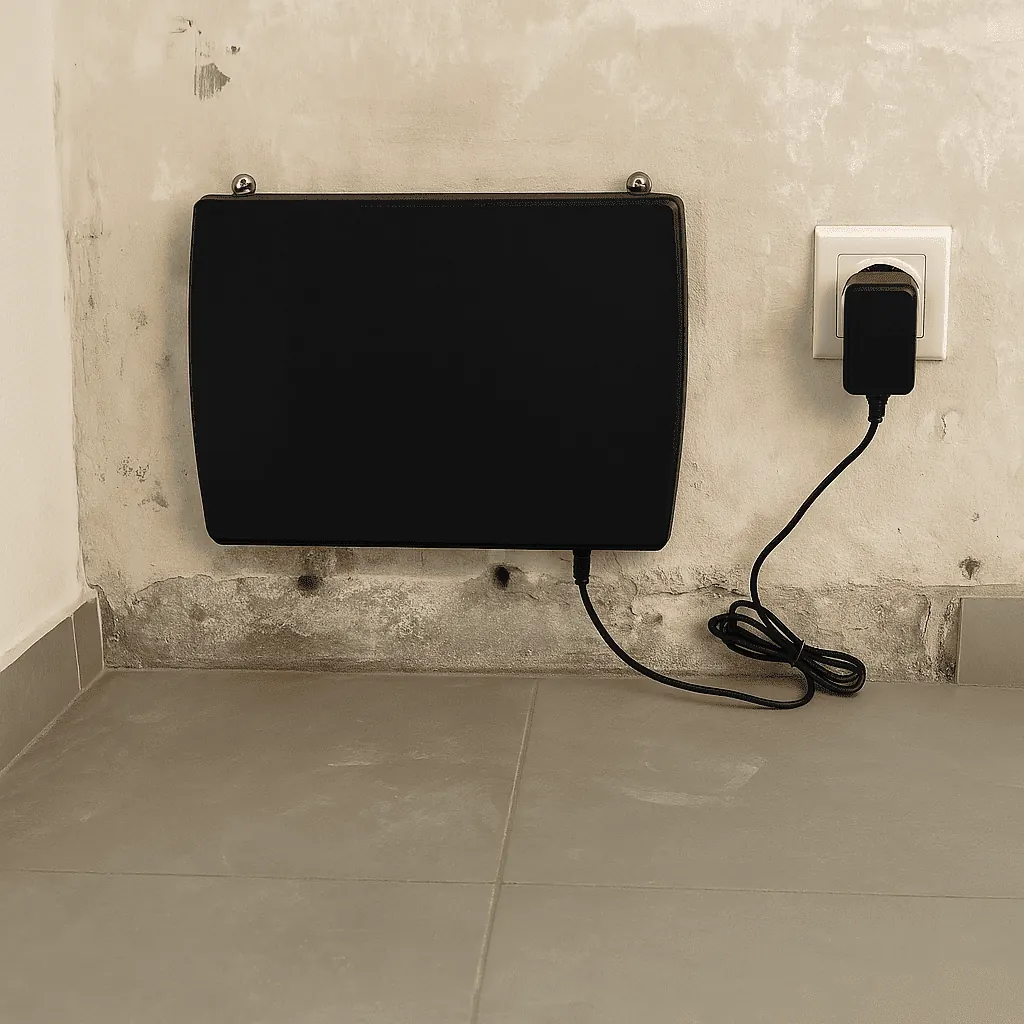
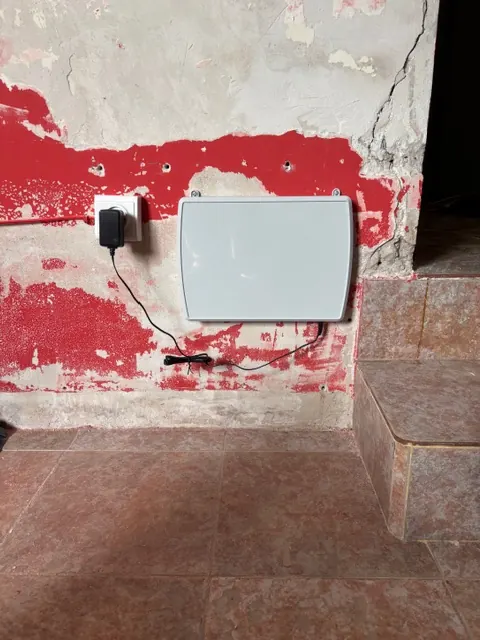
Discover ATE and ATG devices intended for rising damp and compare coverage diameters, installation manuals and placement requirements.
HUMIDISTOP ON VIDEO
Meet the company through its interviews and explore the ATE and ATG installation guides.
MEDIA · 2025
William Coignard introduces the company and its background.
Watch on YouTube ↗MEDIA · 2025
A discussion about French manufacturing and the development of Humidistop.
Watch on YouTube ↗MEDIA · 2025
An interview about damp walls and capillary rising damp.
Watch on YouTube ↗EXPERT EXPLANATION · 2024
A short explanation of the principle presented for walls affected by rising damp.
Watch on YouTube ↗INSTALLATION GUIDE · 2026
Installation guidance to read alongside the manual for your model.
Watch on YouTube ↗INSTALLATION GUIDE · 2026
The ATG installation steps; always check your model’s manual.
Watch on YouTube ↗Three questions to help you find your way, then articles to understand and choose.
Question 1 of 3
Your initial guidance
These three signs guide your investigation; they do not confirm a diagnosis on their own.
References, media, technical explanations, comparisons and installation examples: explore the articles below.
Selected guides on this subject · 23 articles
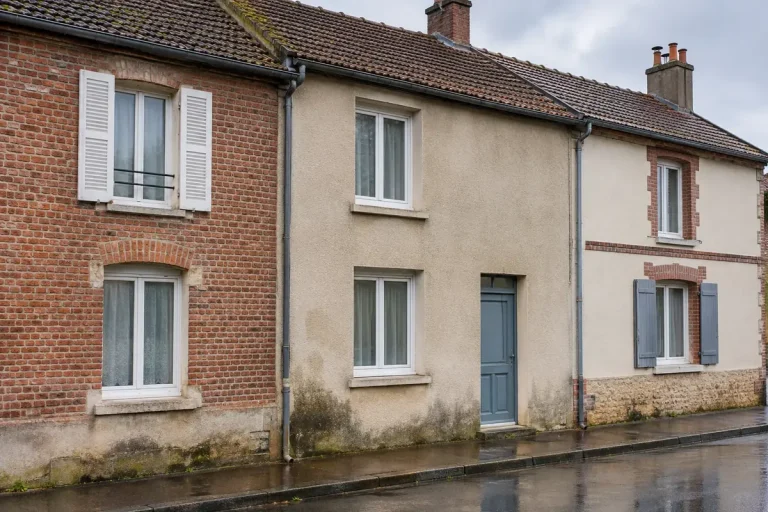
Rising damp in a terraced house raises a practical question: how do you prepare a treatment when a wall separates two homes? Sharing a wall does not, by itself, determine which device to choose. Humidistop helps you compare…
Read the article →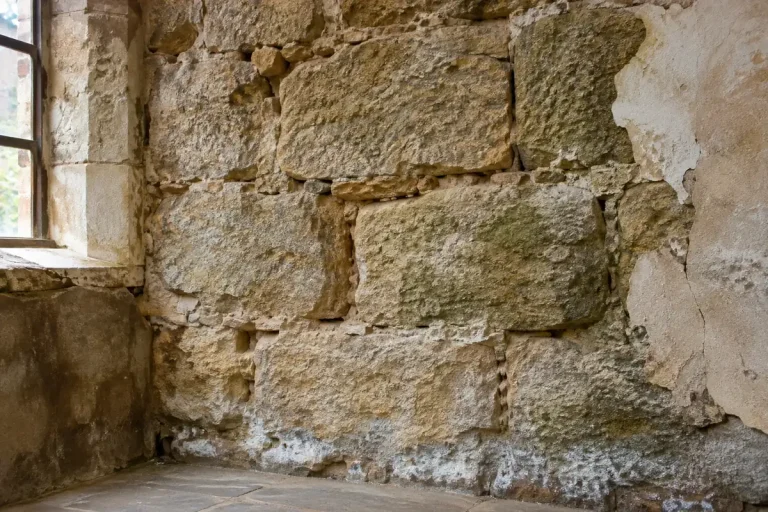
Separate moisture from the condition of mortar Crumbling joints and loose plaster do not, by themselves, identify where water comes from. Rising damp can coexist with other moisture sources in a stone wall. Describe the affected areas and…
Read the article →
Why floor area is only a starting point An L-shaped house has two wings whose far ends may be a considerable distance apart. Its floor area alone does not describe the walls affected by rising damp. When considering…
Read the article →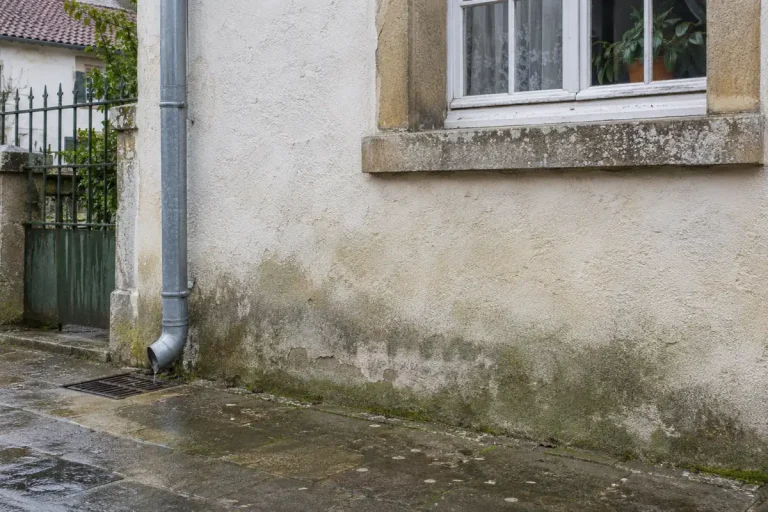
An internal mark may relate to the facade, while an external one may relate to the base of the wall. Look at the wider setting before selecting a product from appearance alone. Before choosing equipment, prepare a plan…
Read the article →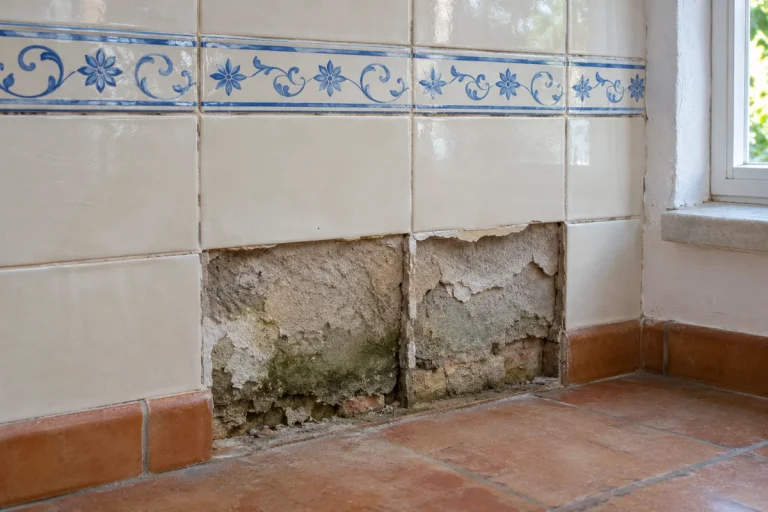
Marks on the floor and wall make a single solution sound attractive. Two nearby symptoms do not, however, prove that the water follows the same path. Before choosing equipment, prepare a plan and dated photographs. Humidistop provides product…
Read the article →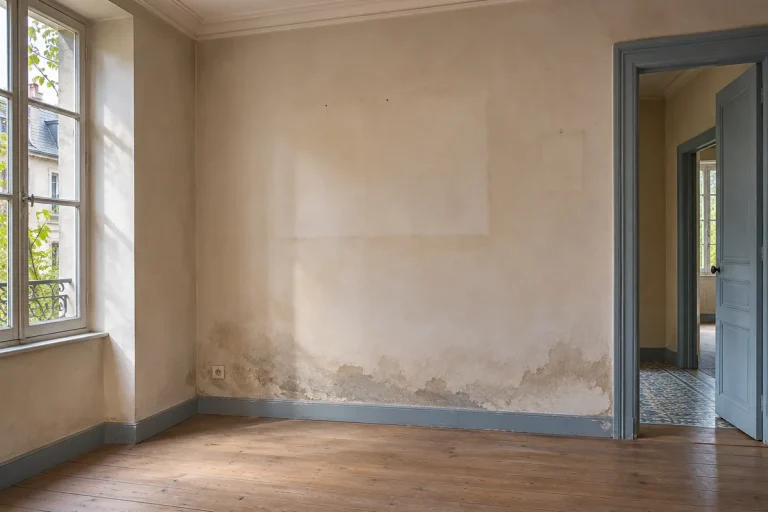
Saying the house is damp does not identify a treatment. A simple sheet for each room helps compare what repeats and what remains local. Before choosing equipment, prepare a plan and dated photographs. Humidistop provides product pages and…
Read the article →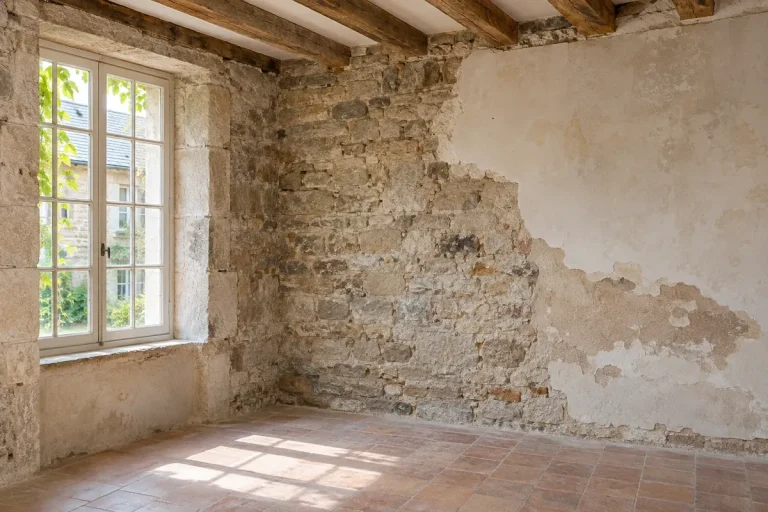
Marks can appear or move after renovation. Compare the building before and after the work rather than assuming a single explanation for every change. Before choosing equipment, prepare a plan and dated photographs. Humidistop provides product pages and…
Read the article →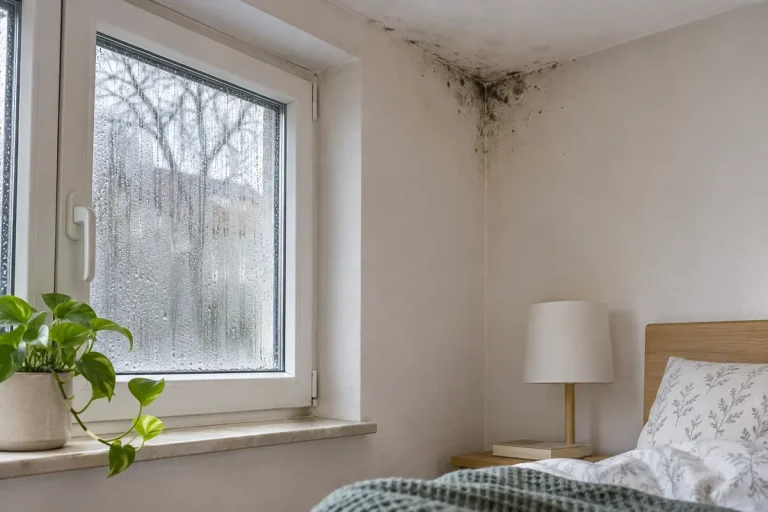
Mould does not automatically make a wall a rising damp case. Where marks appear and when they return help to guide the checks that are needed. Before choosing equipment, prepare a plan and dated photographs. Humidistop provides product…
Read the article →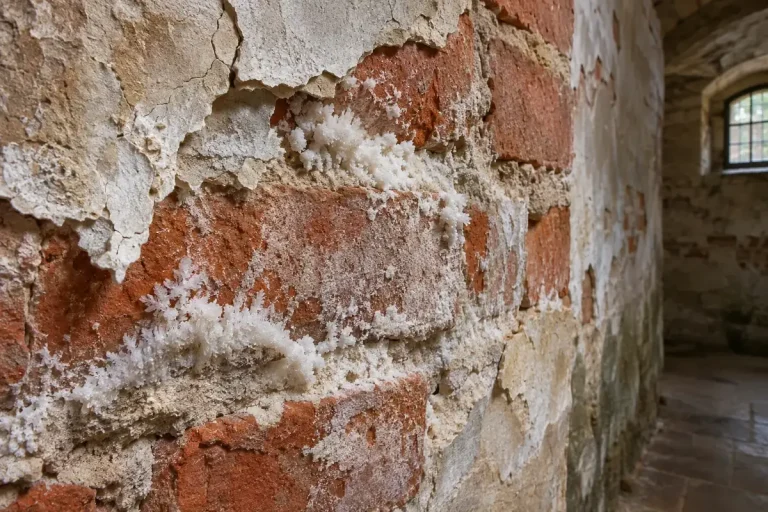
Visible salts deserve investigation. Removing them does not by itself stop incoming water, and a white appearance does not always identify their composition. Before choosing equipment, prepare a plan and dated photographs. Humidistop provides product pages and instructions…
Read the article →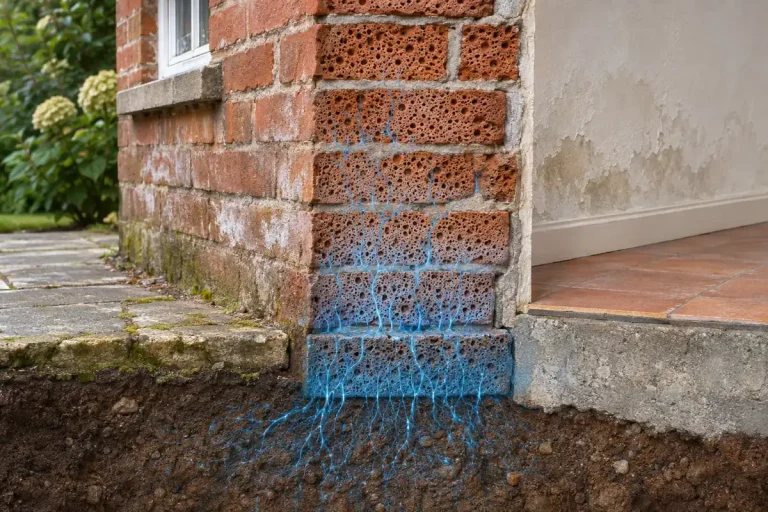
A stain near the floor does not identify the cause on its own. Rising damp describes water moving through porous materials in contact with damp ground. Before choosing equipment, prepare a plan and dated photographs. Humidistop provides product…
Read the article →