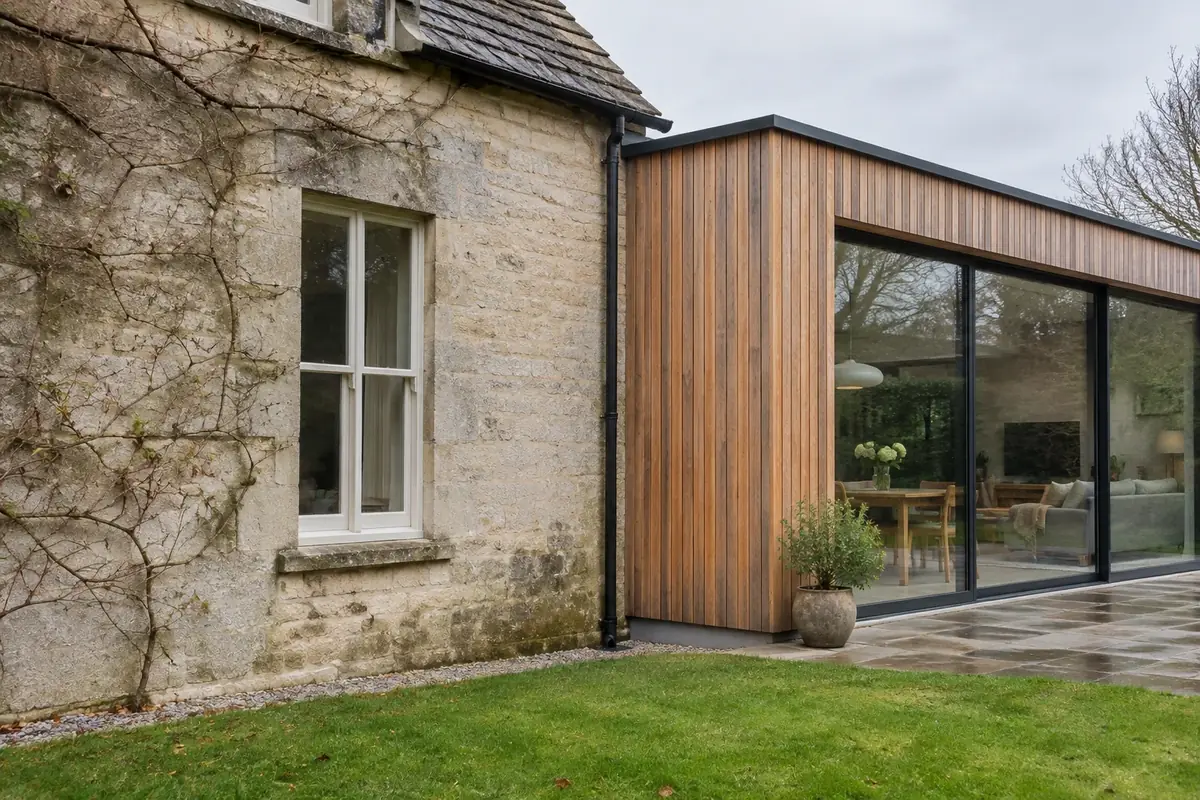
Rising damp in a house extension: choosing a device for the whole layout
November 5, 2026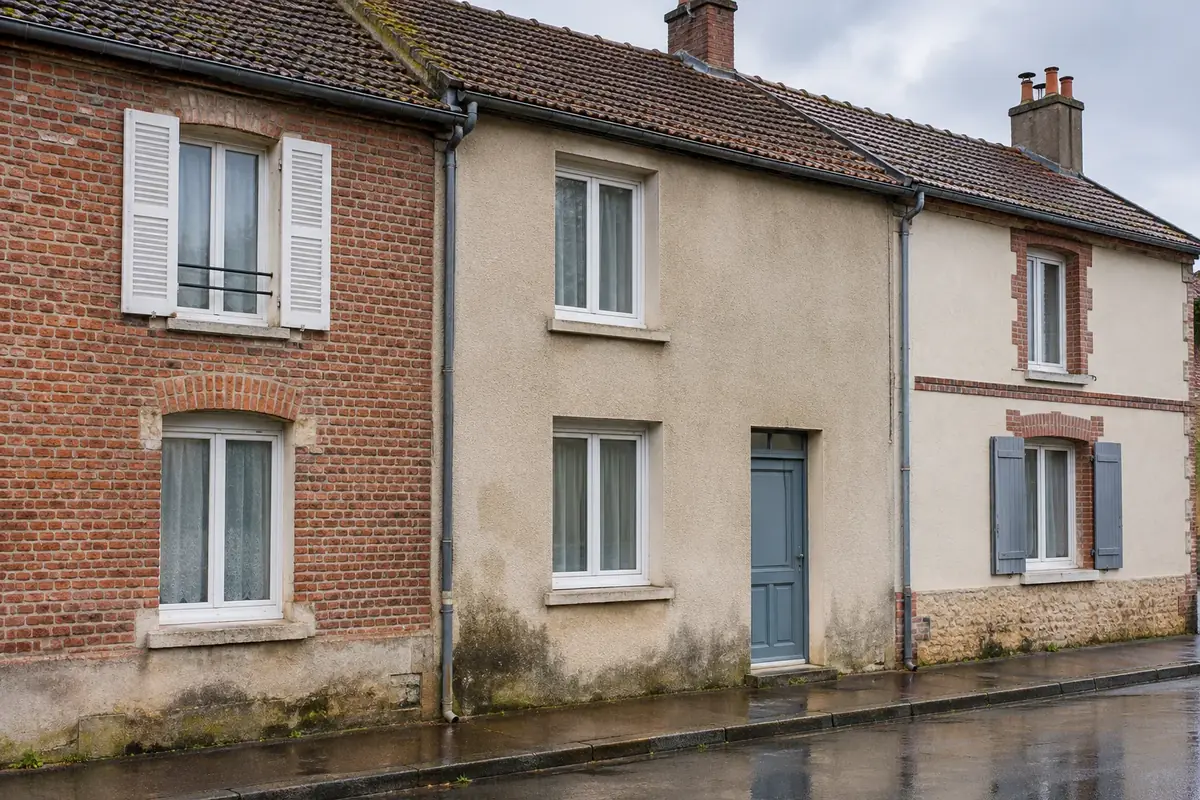
Rising damp in a terraced house: choosing an ATE or ATG device
November 5, 2026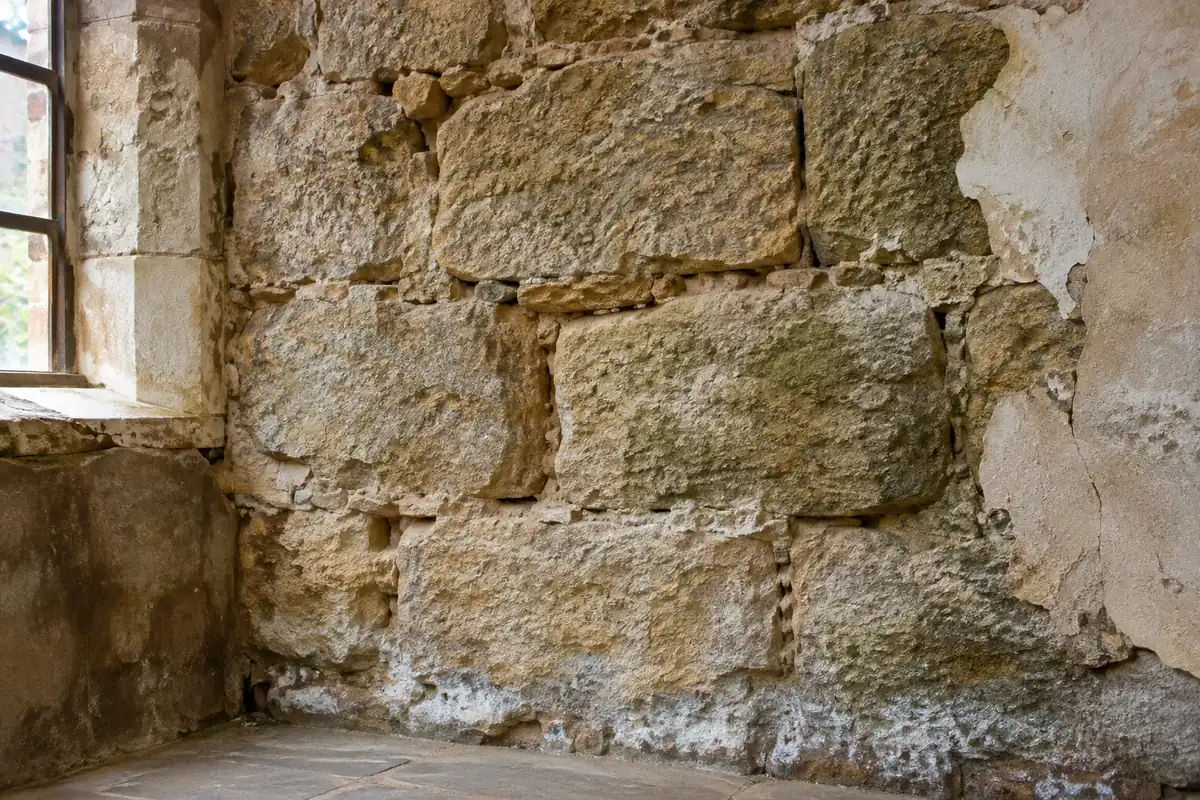
Separate moisture from the condition of mortar
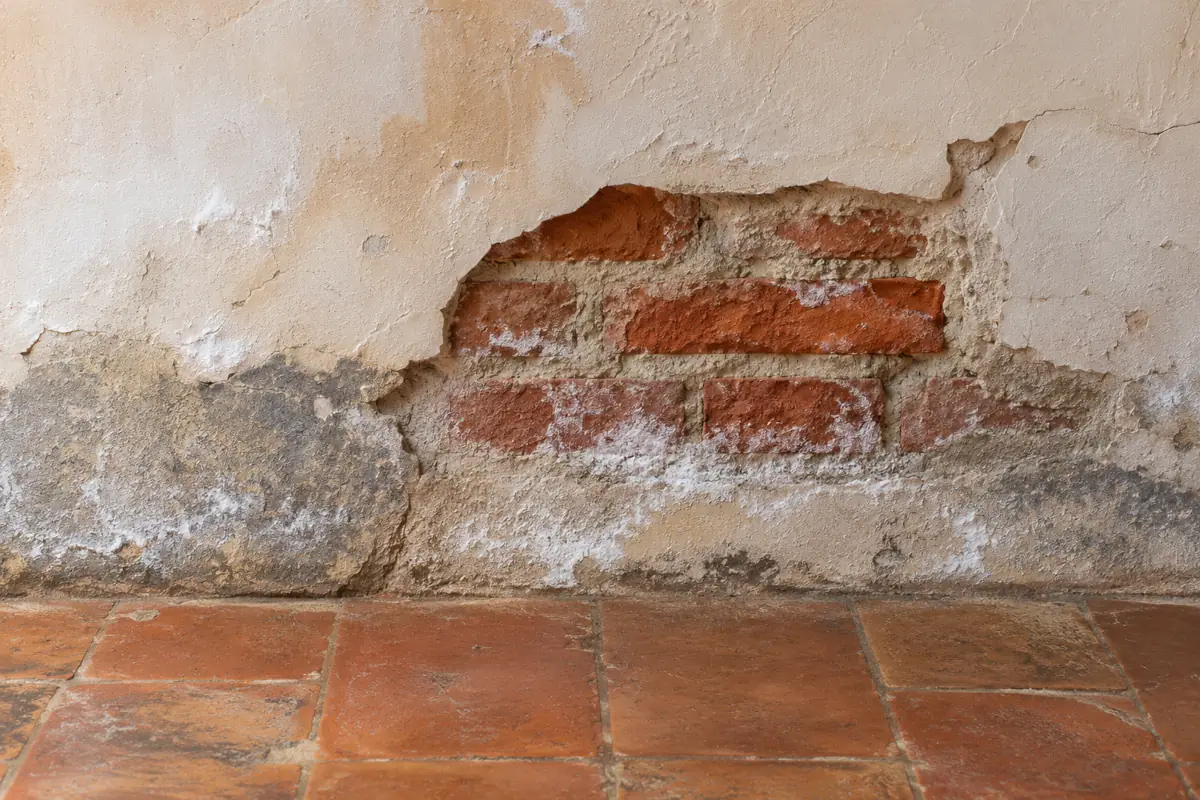
Crumbling joints and loose plaster do not, by themselves, identify where water comes from. Rising damp can coexist with other moisture sources in a stone wall. Describe the affected areas and the wall’s exposure before selecting a response. A plumbing leak or penetrating water needs attention to its own cause.
Respect the masonry during preparation
Removing damaged finishes and repointing are different tasks from fitting a device. Avoid deeply raking fragile joints without advice appropriate to the masonry. Older walls may contain mixed materials and previous repairs. Stone type, mortar and the condition of those repairs all matter when deciding how to prepare the surface.
Understand the role of ATE and ATG
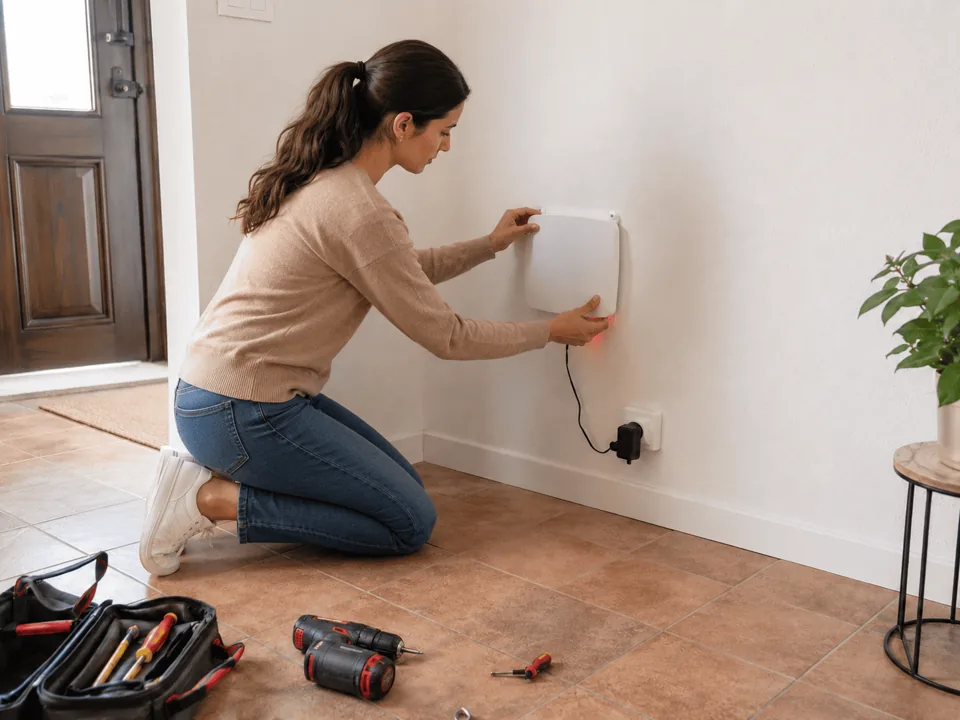
Our ranges are intended for walls affected by rising damp. Fixing a wall-mounted unit does not require a line of chemical injections through mortar joints. It does not rebuild damaged mortar or replace necessary masonry repairs either. Choose the reference using the building layout and the installation instructions for that model.
Plan suitable finishes
New decoration should not simply conceal a wall that remains damp. Mortar and plaster choices need to suit the existing support and its drying conditions. There is no single timetable for every stone wall. Ask about finishing materials before choosing solely on decorative appearance or selecting a coating described as waterproof.
Keep the project easy to understand
Separate equipment, installation and masonry repairs in the budget. ATE requires an electrical supply; ATG operates without one. Product information and manuals describe each reference’s requirements. Humidistop can help prepare your device choice from a plan and building description, while keeping rising-damp equipment distinct from a complete restoration of the wall.