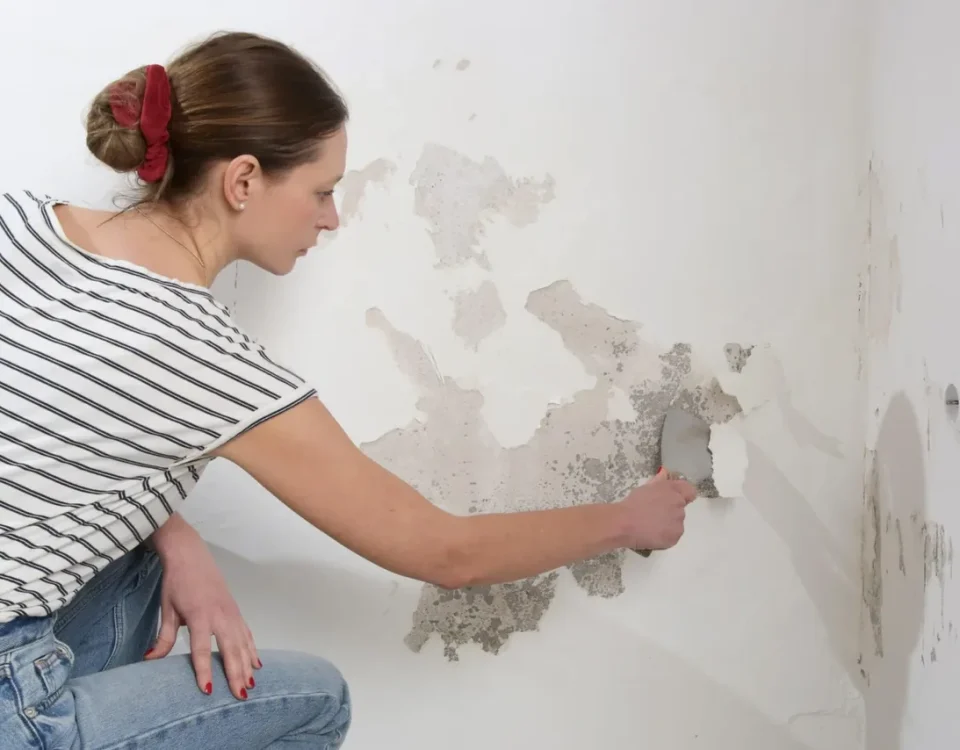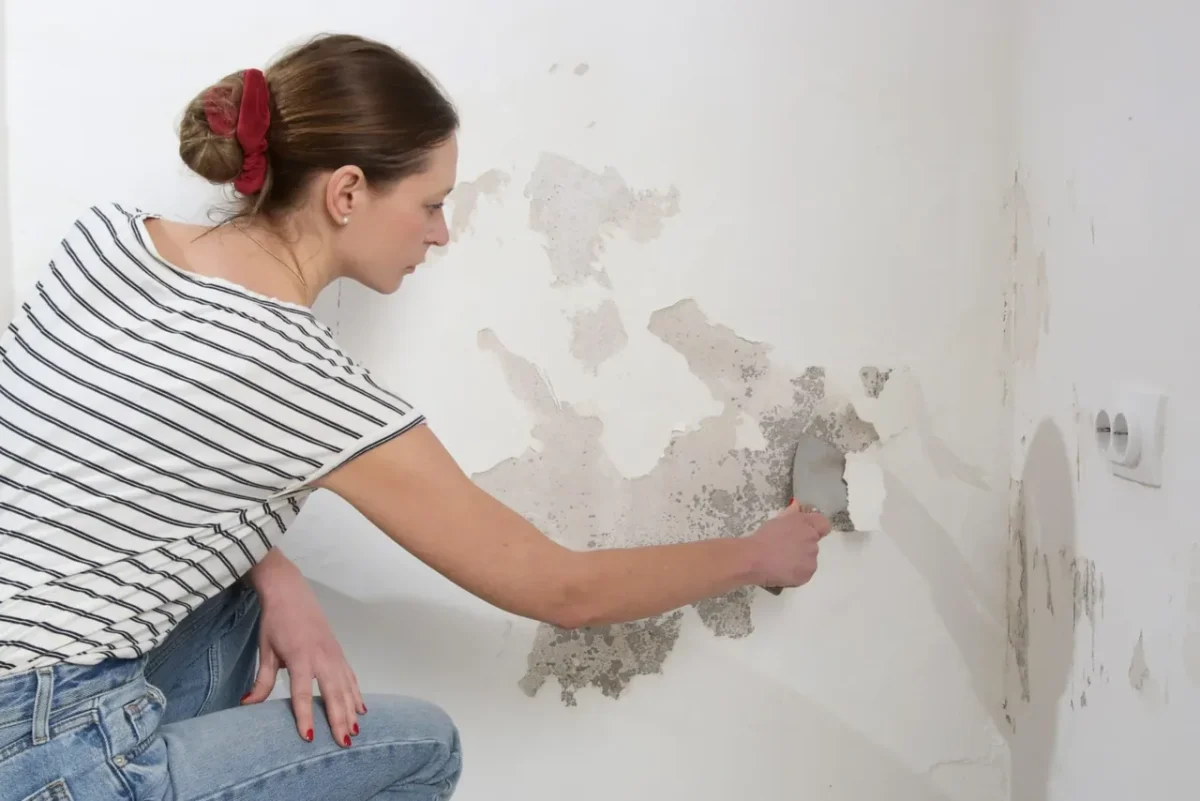
Damp internal walls in an old house: what to check before lining them
October 24, 2026
Mould on a wall: distinguish condensation, leaks and rising damp
October 24, 2026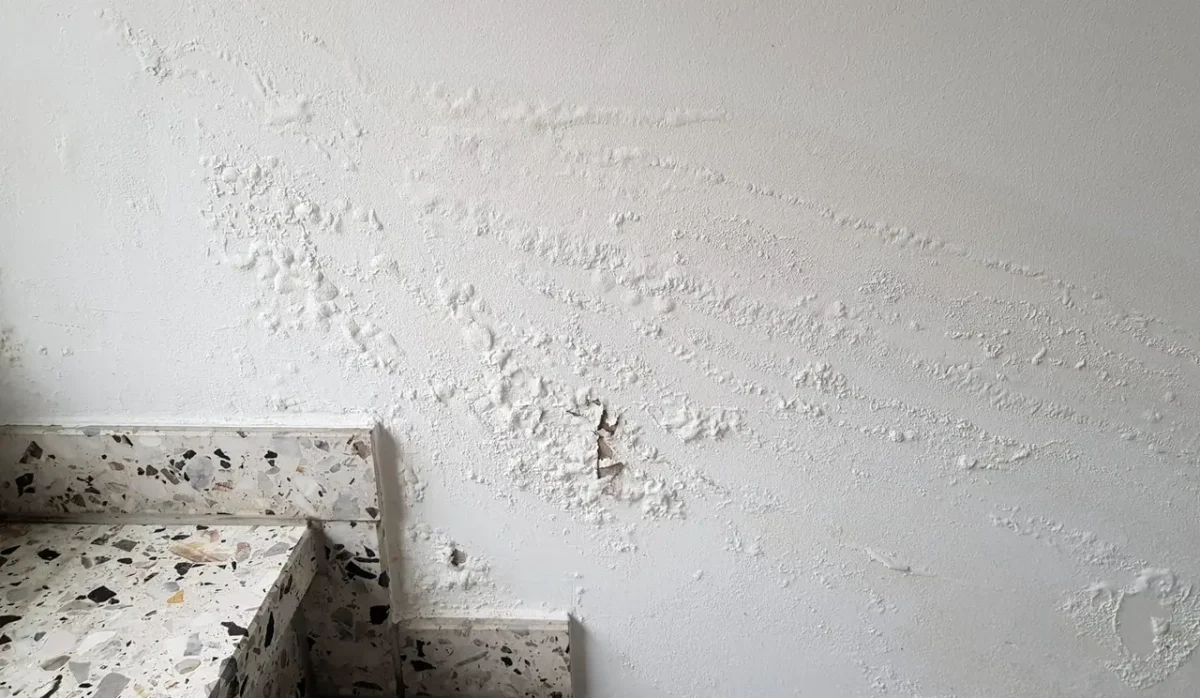
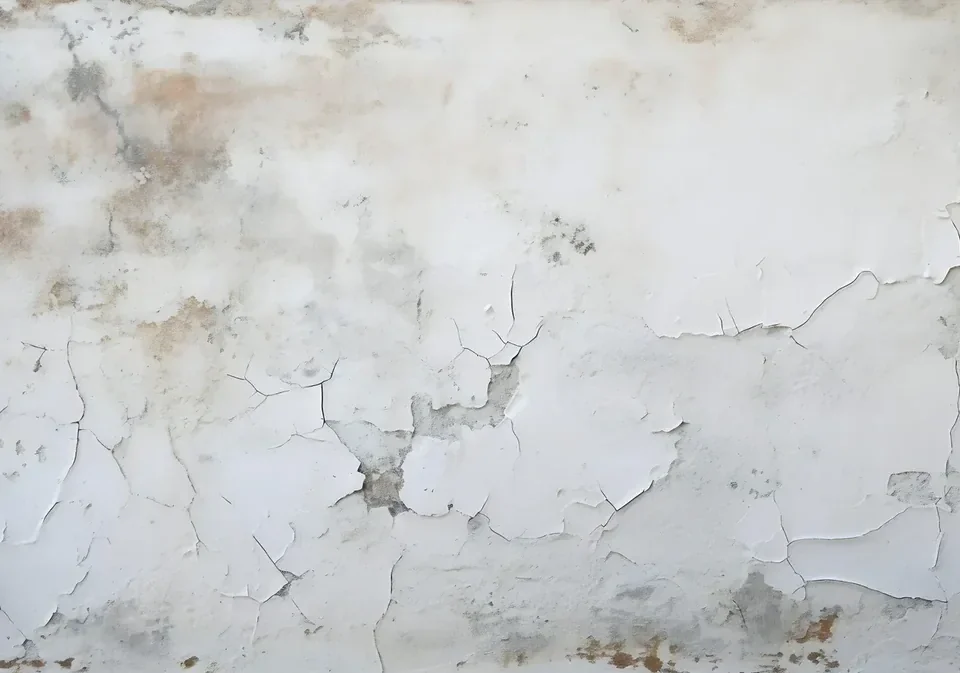
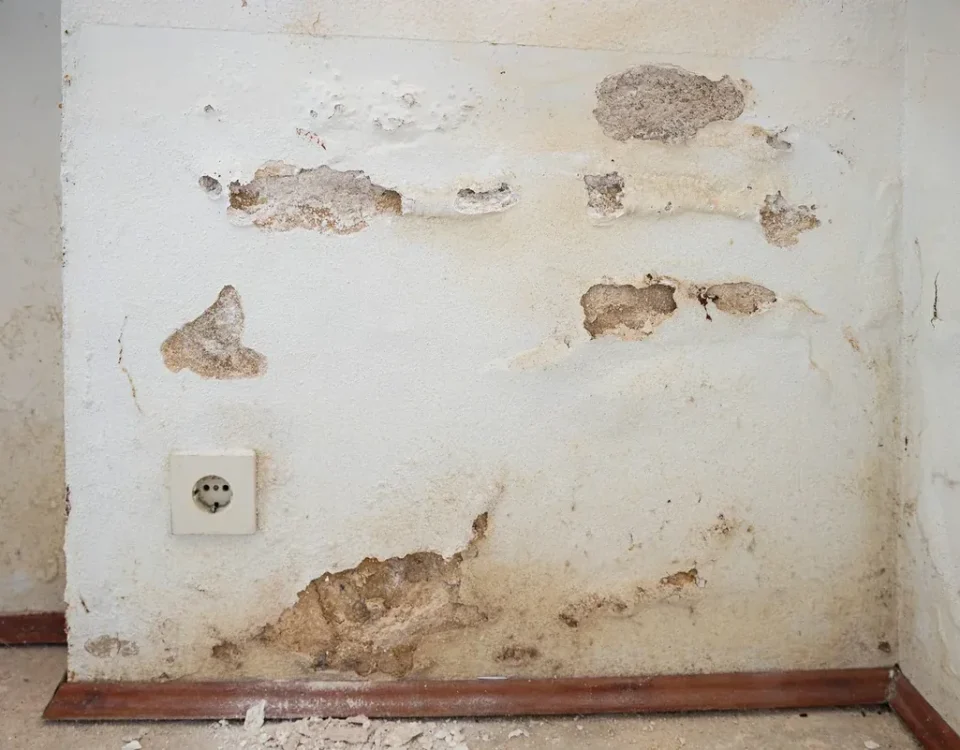
Visible salts deserve investigation. Removing them does not by itself stop incoming water, and a white appearance does not always identify their composition.
Before choosing equipment, prepare a plan and dated photographs. Humidistop provides product pages and instructions so you can examine the reference and positioning before purchase. If the moisture cause remains uncertain, clarify it before deciding on treatment and identify any independent repairs still needed.
Connect deposits with the materials
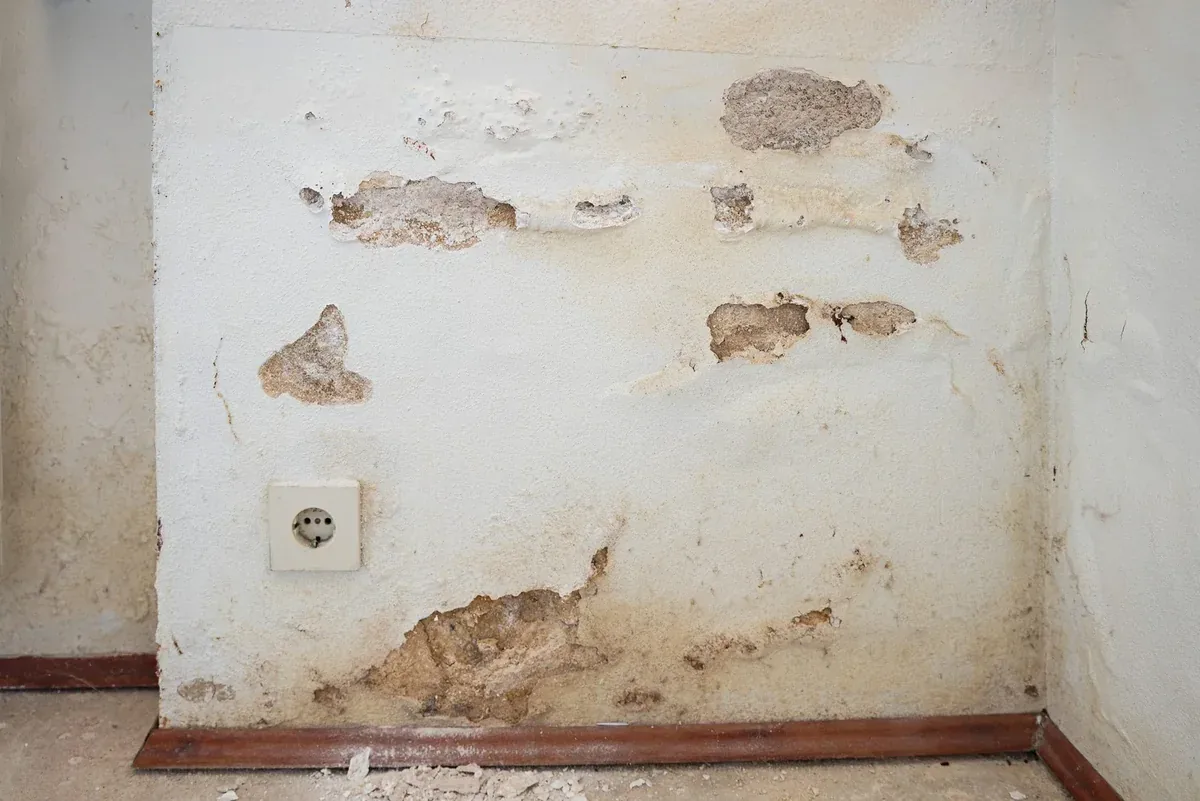
Record where deposits appear and which products have already been applied. Water can carry salts and leave them behind as it evaporates. Photographs document changes but do not replace examination of uncertain masonry conditions. Look for ground moisture, leaks and penetrating water. Similar-looking deposits do not always have the same origin, and a freshly cleaned wall is not proof that moisture inside it has changed.
Prepare the substrate before painting
Addressing the cause and reinstating the finish are different steps. ATE and ATG are offered for rising damp in masonry; they do not mechanically remove accumulated salts. A damaged coating may need separate preparation. Follow the instructions for cleaning and finishing products, and seek suitable advice for badly affected substrates. Keep dated pictures to distinguish the effect of cleaning from evidence about the condition of the wall.
Before you decide
- Document the walls and possible water sources.
- Check the model and installation instructions.
- Separate fitting, monitoring and reinstatement of finishes.
A practical question
Will an anti-damp paint remove the problem?
It may change the appearance without stopping incoming water. Check the cause and the finish’s compatibility with the substrate first.
Compare our wall drying devices
The range includes mains-powered ATE LC15, ATE LC30, ATE LC30 PULSE and ATE MAX, alongside ATG LC15 and ATG LC30 without electricity. The devices are manufactured in Castres, France. Compare the diameter with the building layout and follow the instructions. The manufacturer’s 10-year warranty applies under its conditions. The device does not replace independent interventions on leaks, penetrating water or ventilation.
ATE LC15 · ATE LC30 · ATE LC30 PULSE · ATE MAX · ATG LC15 · ATG LC30