Rising damp devices: compare the options, installation and price
November 5, 2026
Buying an ATE or ATG device online: what to read before ordering
November 5, 2026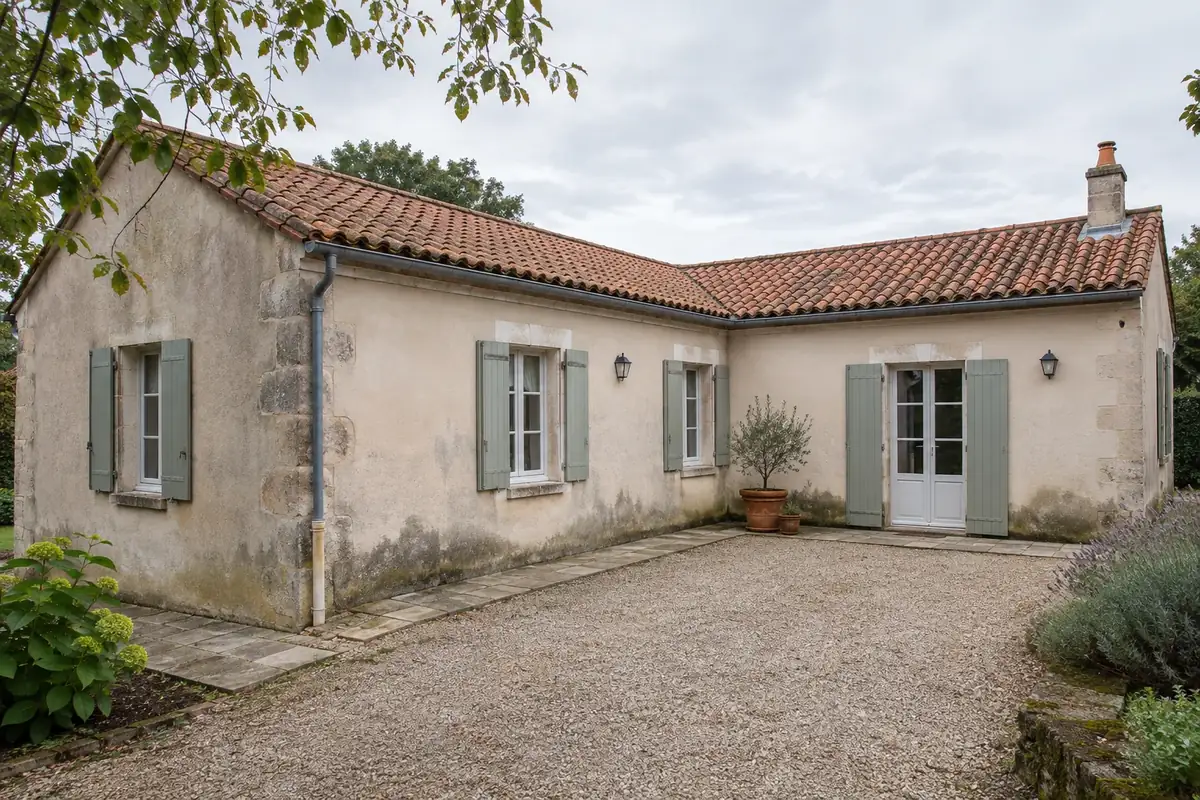
Why floor area is only a starting point
An L-shaped house has two wings whose far ends may be a considerable distance apart. Its floor area alone does not describe the walls affected by rising damp. When considering an ATE or ATG device, start with the building’s dimensions and layout. Two homes with the same floor area can have very different proportions.
Show both wings on one drawing
Mark the length and width of each wing and where the two parts meet. Include affected walls, extensions and changes in floor level. A simple dimensioned sketch is more useful than a room list. It lets you discuss the intended position without confusing rooms that appear close together with their actual position across the whole building.
Understand the stated coverage diameter
A diameter is neither a radius nor a guaranteed number of square metres. Compare the model’s stated figure with your drawing and its installation instructions. Do not assume that placing a unit at the inside corner automatically provides the right arrangement for both wings. The specific model and its siting requirements matter.
Consider power alongside siting
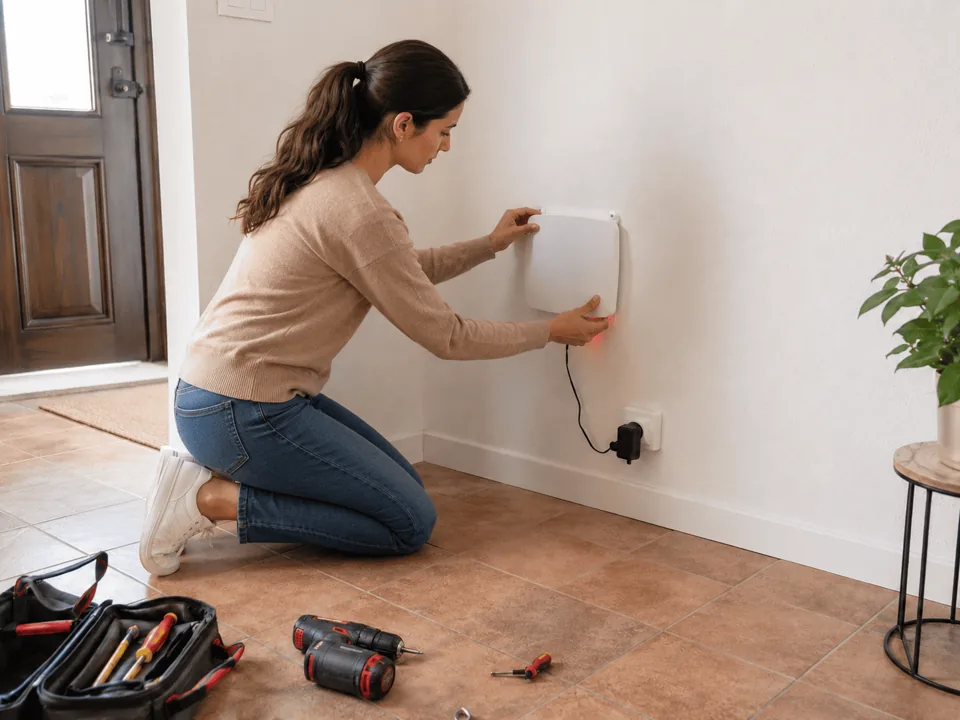
Electromagnetic ATE devices require an electrical supply. Geomagnetic ATG devices operate without an electrical supply. This practical distinction helps prepare installation, but it does not replace the model documentation. An available socket should not be the only reason for choosing a wall position.
Ask a focused question before ordering
Send Humidistop the sketch and the reference you are considering for advice on selection and installation. These ranges are intended for rising damp, not pipe leaks or penetrating water. Where different moisture sources coexist, separate the necessary repairs before planning finishes. This keeps the equipment choice tied to the building rather than a general floor-area estimate.