Stone walls and rising damp: planning repointing and finishes
November 5, 2026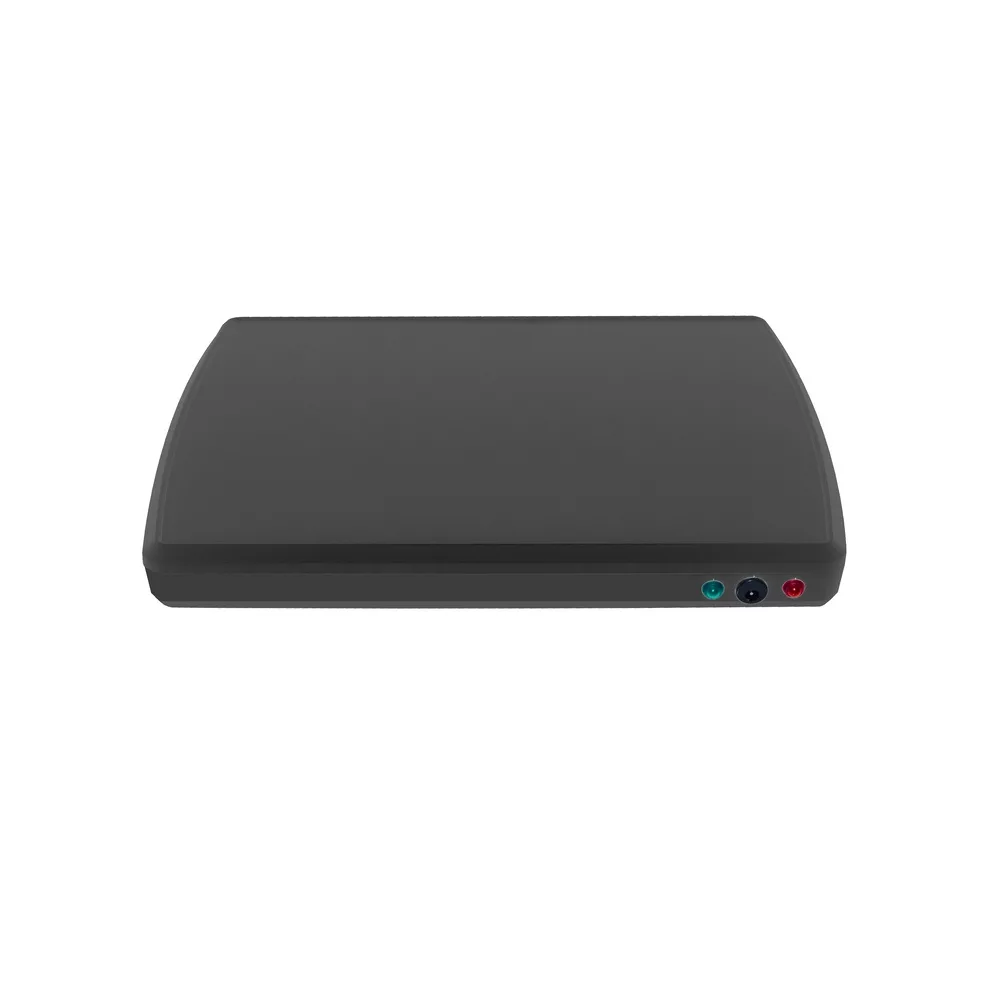
Electromagnetic wall drying device: ATE reviews, prices and installation
November 6, 2026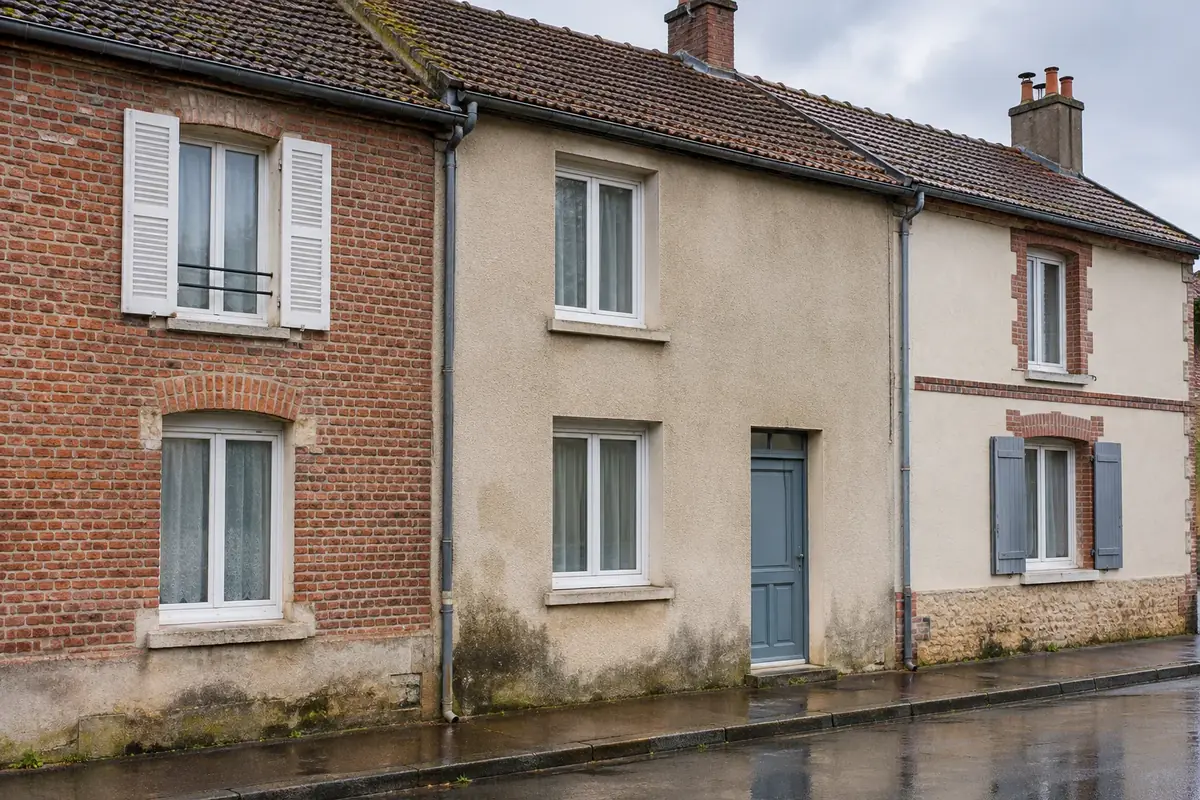
Rising damp in a terraced house raises a practical question: how do you prepare a treatment when a wall separates two homes? Sharing a wall does not, by itself, determine which device to choose. Humidistop helps you compare the layout of your home with the characteristics of the ATE and ATG ranges.
A shared wall does not explain the cause
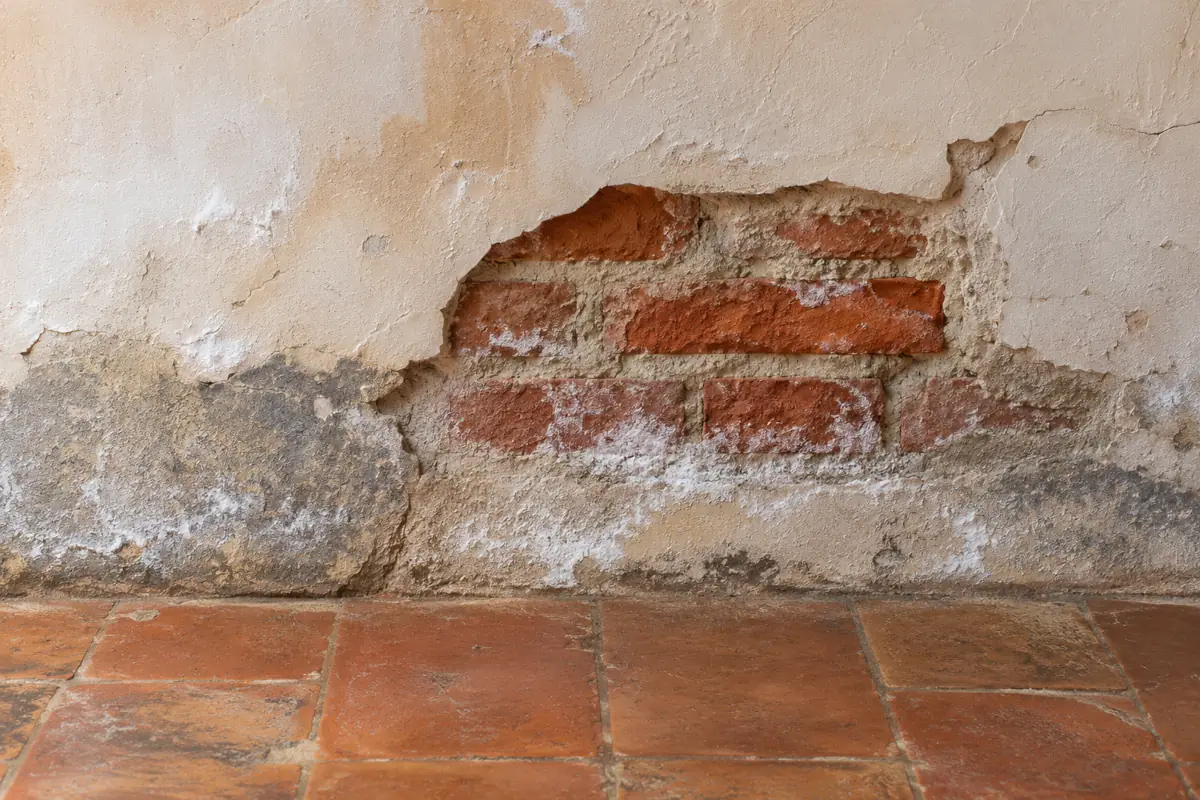
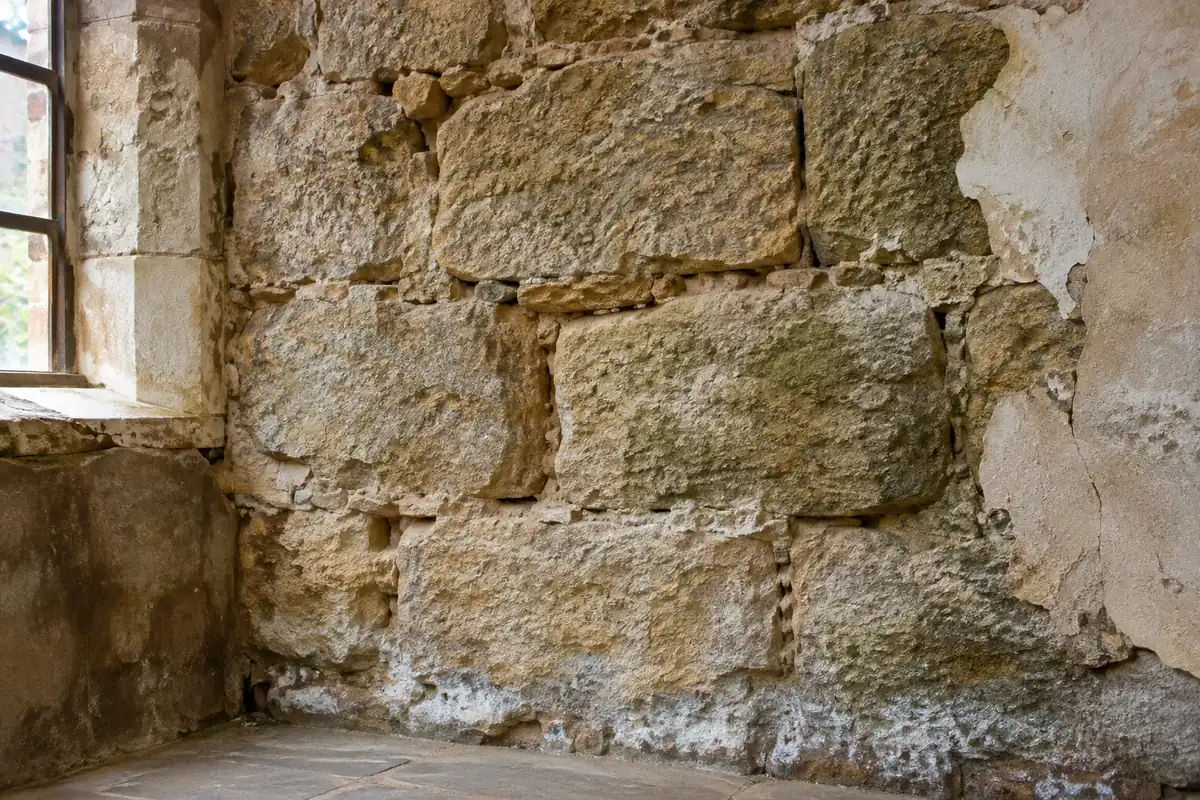
A mark near the base of a wall can have several causes. Before choosing a device, distinguish rising damp from a pipe leak, rain penetration and condensation. The neighbouring property is not automatically responsible because it is close to the affected wall. Describe the rooms, the position of the marks and any recent building work. Their appearance alone cannot establish the source of the moisture.
Prepare a drawing of your own home
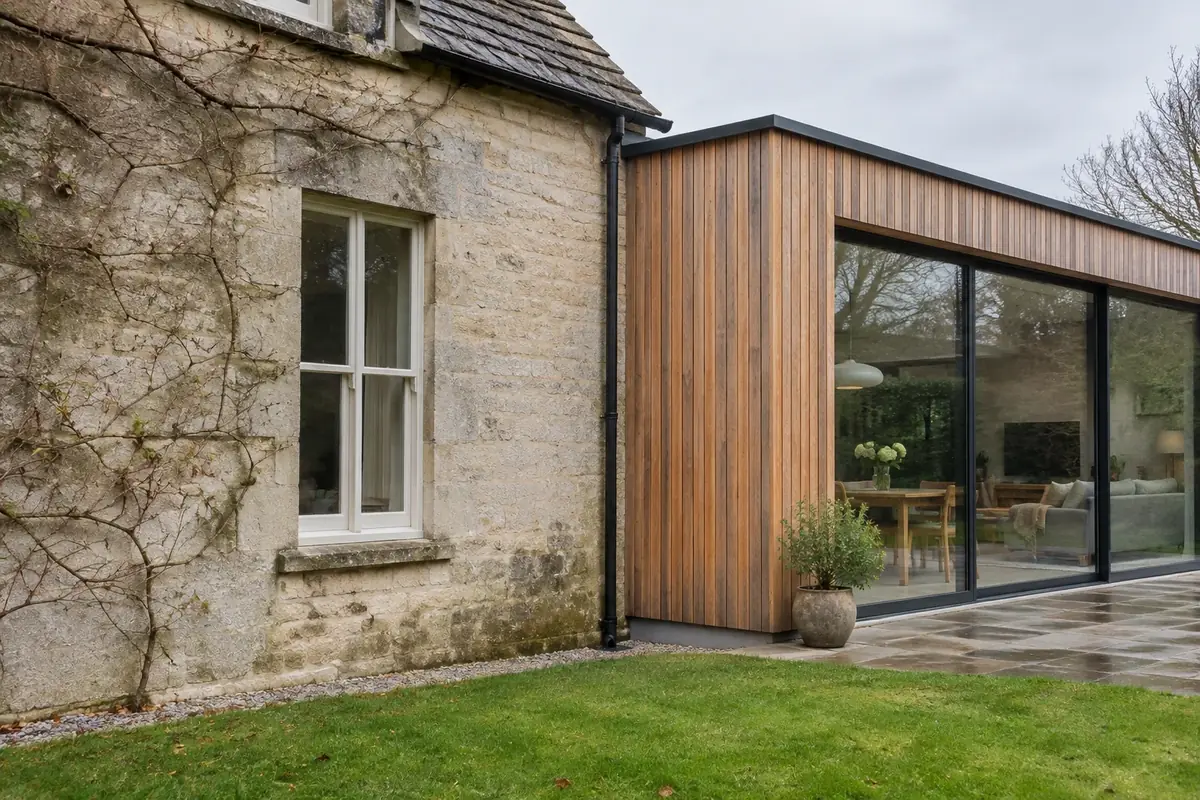
A clear sketch provides a useful starting point. Show the outside dimensions, rooms, levels and affected walls. Identify the shared wall and the areas accessible from your property. You do not need your neighbour’s private plans to explain your own building. Include a cellar, extension or change of floor level where these form part of the layout. This helps our team understand the arrangement before discussing a model.
Compare coverage with the shape of the building
A stated coverage diameter is neither a radius nor a floor area in square metres. A long, narrow house cannot be described only by comparing its floor area with that of a compact home. Read the model information and explain the relevant distances. Do not assume that a device will cover the neighbouring property, or several homes, simply because the buildings share a wall.
ATE or ATG for rising damp in a terraced house
Electromagnetic ATE devices require an electrical supply. Geomagnetic ATG devices operate without one. The proposed position and the fitting instructions for the exact reference also matter. The ranges include ATE LC15, LC30, MAX and LC30 PULSE, alongside ATG LC15 and LC30. Compare their specifications in the Humidistop shop, rather than selecting by the shape of the enclosure alone.
Prepare the fixing surface and installation
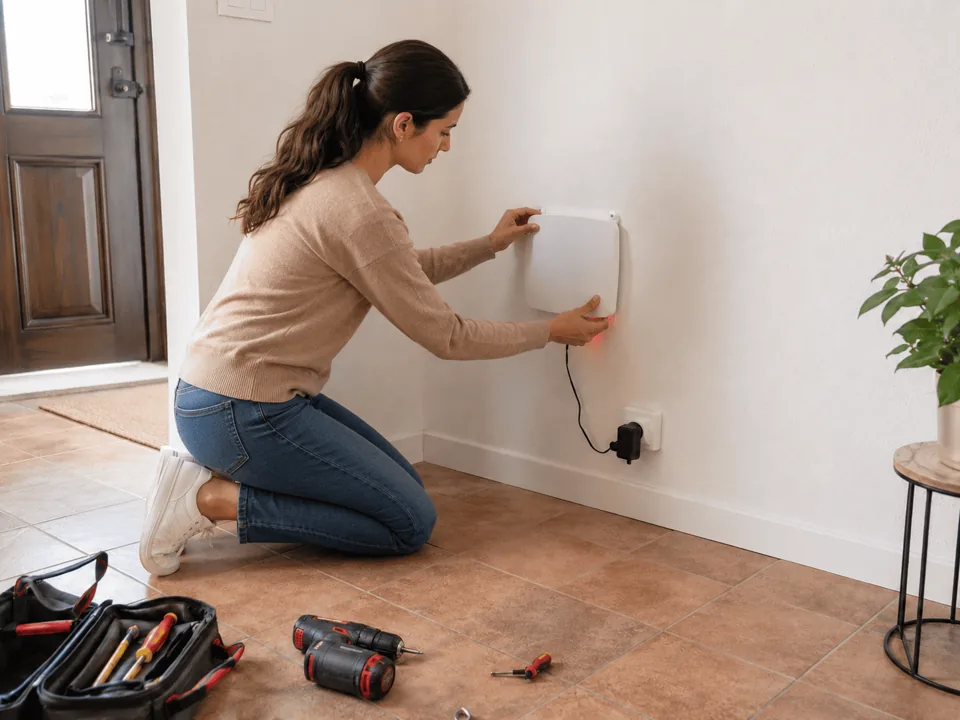
A wall-mounted device does not require a line of resin injections into the masonry. Its installation must still account for the fixing surface, concealed services and the supplied manual. Clarify the permissions that apply to a shared wall before drilling. For an ATE model, prepare the electrical connection described in its instructions. For ATG, follow the positioning guidance for the selected reference.
Practical advice before ordering
Our devices are designed and manufactured in France. Identifiable models, documentation and accessible advice help you prepare your choice without planning a line of chemical injections. Masonry drying remains progressive and depends on the building; there is no single timetable for every terraced house. For a coverage or installation question, contact Humidistop with a readable sketch and a description of the affected areas.