MEDIA · 2025
Forbes interview: meet a French company
William Coignard introduces the company and its background.
Watch on YouTube ↗Rising damp, condensation and penetrating damp: explore our advice to recognise the source of moisture and choose an approach suited to your building.
Discover ATE and ATG devices intended for rising damp and compare coverage diameters, installation manuals and placement requirements.
HUMIDISTOP ON VIDEO
Meet the company through its interviews and explore the ATE and ATG installation guides.
MEDIA · 2025
William Coignard introduces the company and its background.
Watch on YouTube ↗MEDIA · 2025
A discussion about French manufacturing and the development of Humidistop.
Watch on YouTube ↗MEDIA · 2025
An interview about damp walls and capillary rising damp.
Watch on YouTube ↗EXPERT EXPLANATION · 2024
A short explanation of the principle presented for walls affected by rising damp.
Watch on YouTube ↗INSTALLATION GUIDE · 2026
Installation guidance to read alongside the manual for your model.
Watch on YouTube ↗INSTALLATION GUIDE · 2026
The ATG installation steps; always check your model’s manual.
Watch on YouTube ↗Three questions to help you find your way, then articles to understand and choose.
Question 1 of 3
Your initial guidance
These three signs guide your investigation; they do not confirm a diagnosis on their own.
References, media, technical explanations, comparisons and installation examples: explore the articles below.
Selected guides on this subject · 38 articles

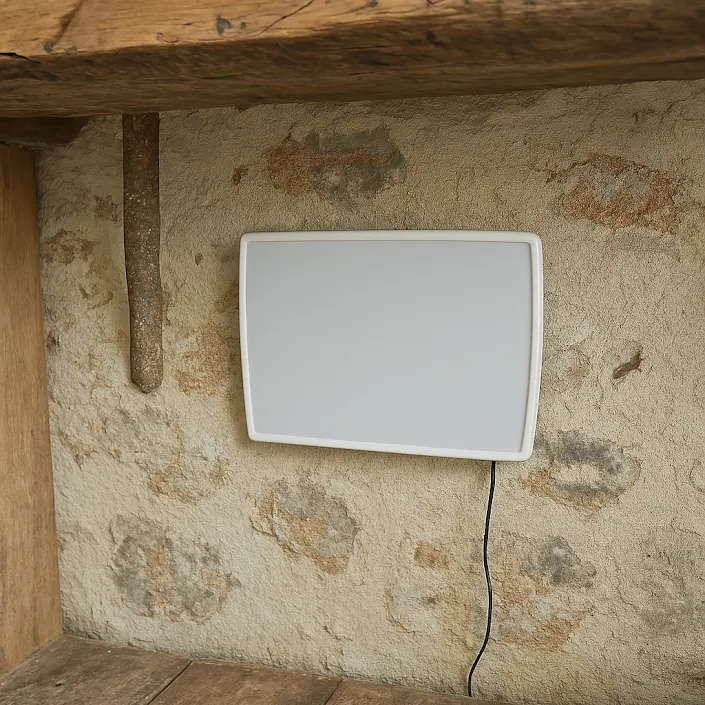
When a device remains in a living space, its appearance matters too. The ATE LC30 PULSE combines a white casing with mains operation in the Humidistop range intended for rising damp. Its integration into the room should go…
Read the article →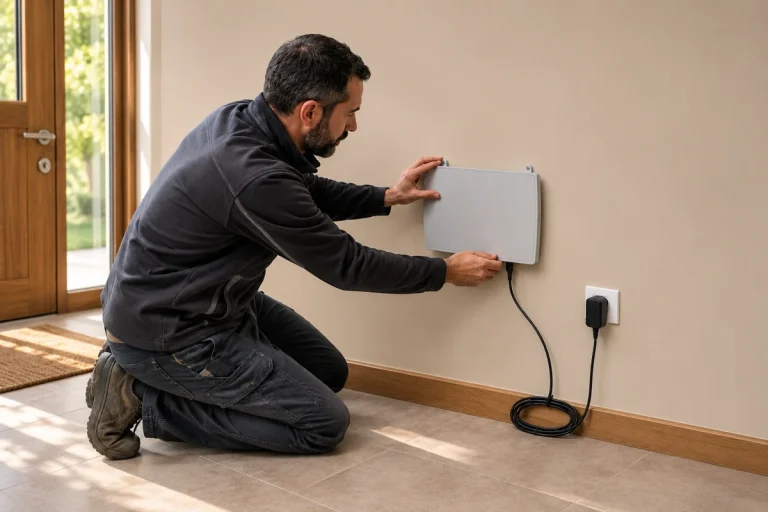
Floor area alone is not enough to choose a device for rising damp. The ATE LC30 has an advertised coverage diameter of 30 metres. Start with the layout of your building and the position where the device can…
Read the article →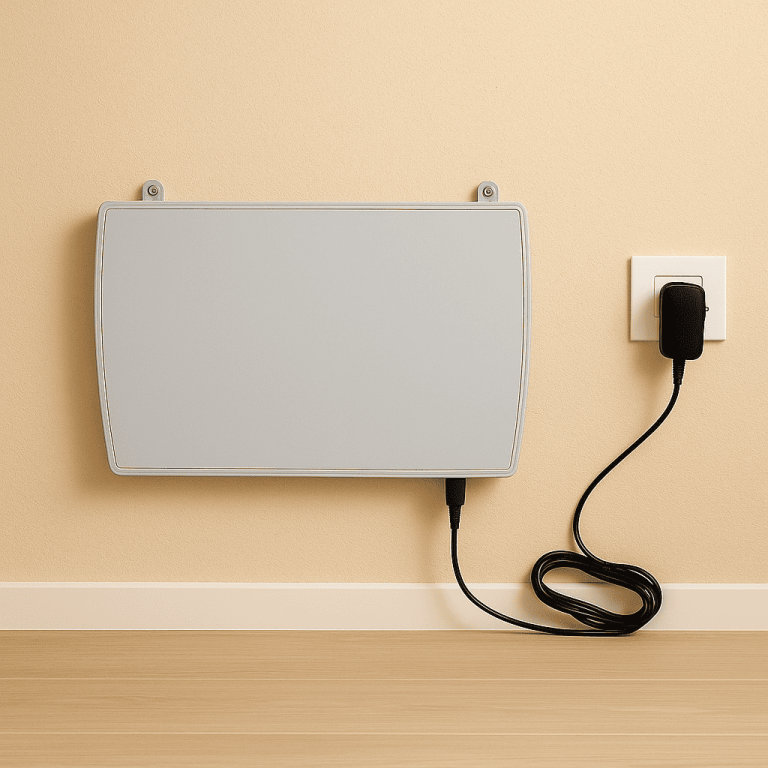
A compact device and an advertised coverage diameter of 15 metres: the ATE LC15 is an option to consider for walls affected by rising damp. These five checks help you prepare your purchase: the cause, coverage, power supply,…
Read the article →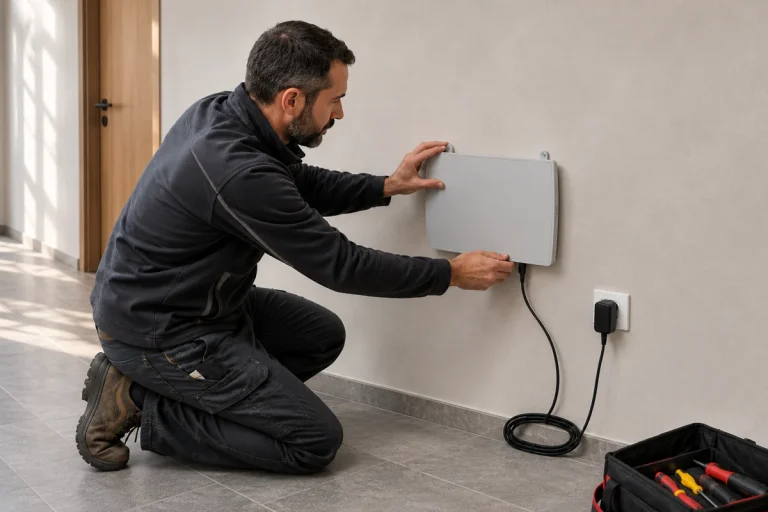
Resin injection creates a water-repellent barrier within suitable masonry. Humidistop ATE and ATG devices are offered for rising damp without a line of chemical injections. Before comparing them, establish the water source and assess the building: damp marks…
Read the article →
“Without injection” describes a method you wish to avoid, not the cause of damp. Repairing a leak, improving ventilation, managing lateral water ingress and addressing rising damp are different tasks. Choose the intervention after the source has been…
Read the article →
Choose a product for a damp wall by its cause and intended use. Paint, renovation plaster, façade water repellent, dehumidifier and a device for rising damp do different jobs. Start by finding where the water comes from, then…
Read the article →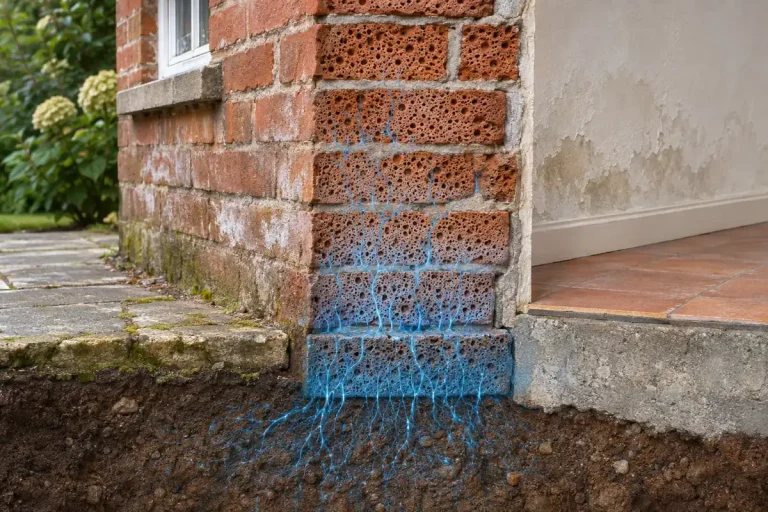
Rising damp is water moving from the ground through porous masonry. Low staining and salts can suggest this mechanism, but cannot confirm it on their own. Investigate leaks, rain entry, external ground levels and condensation before choosing a…
Read the article →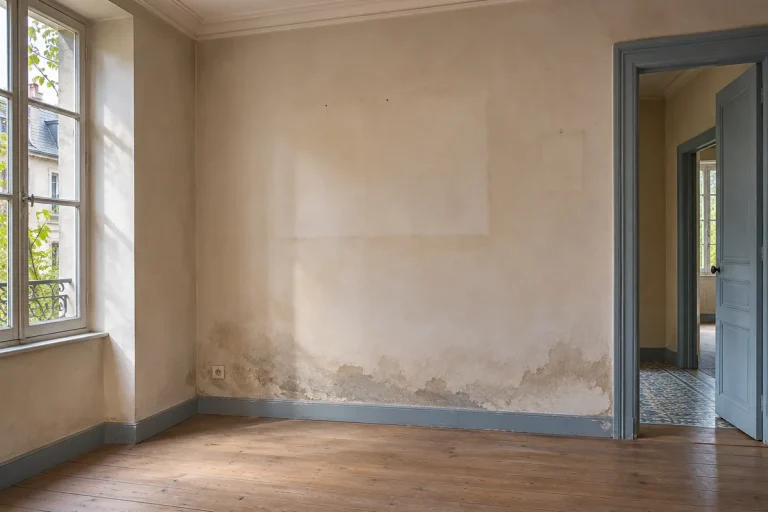
Protect an internal wall by resolving the moisture source before hiding the damage. Paint, a lining or insulation may conceal marks without repairing a leak or stopping rain entry. The wall’s material, salts and drying conditions matter when…
Read the article →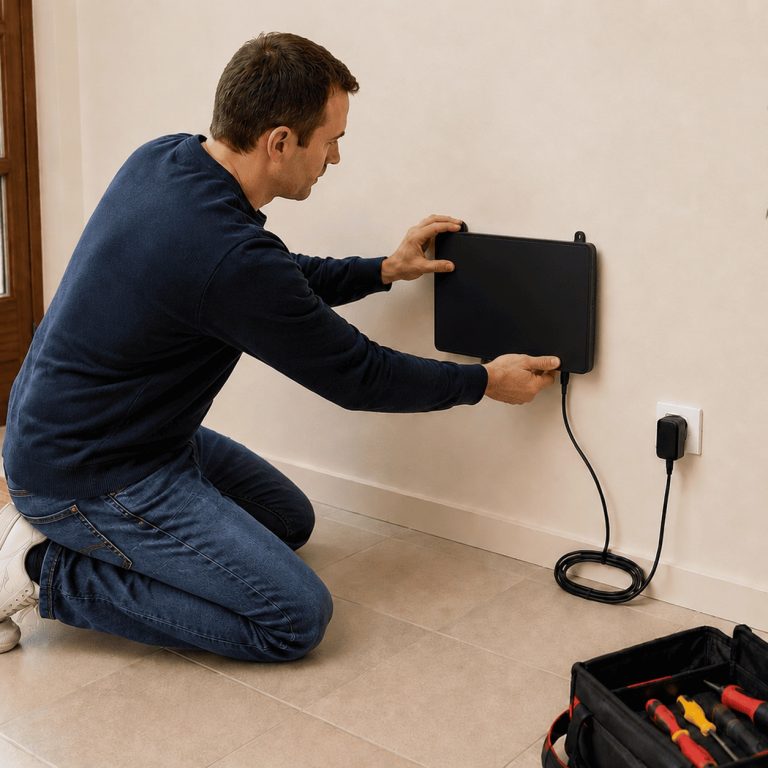
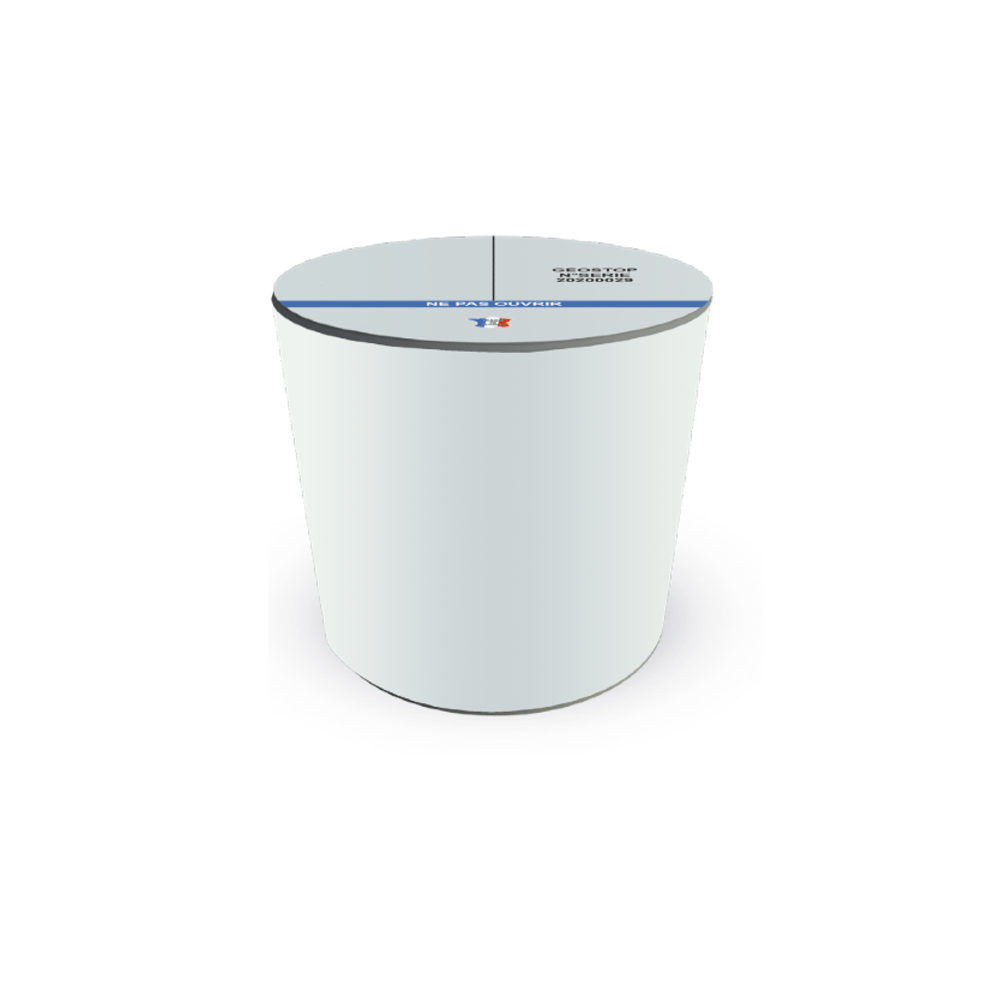
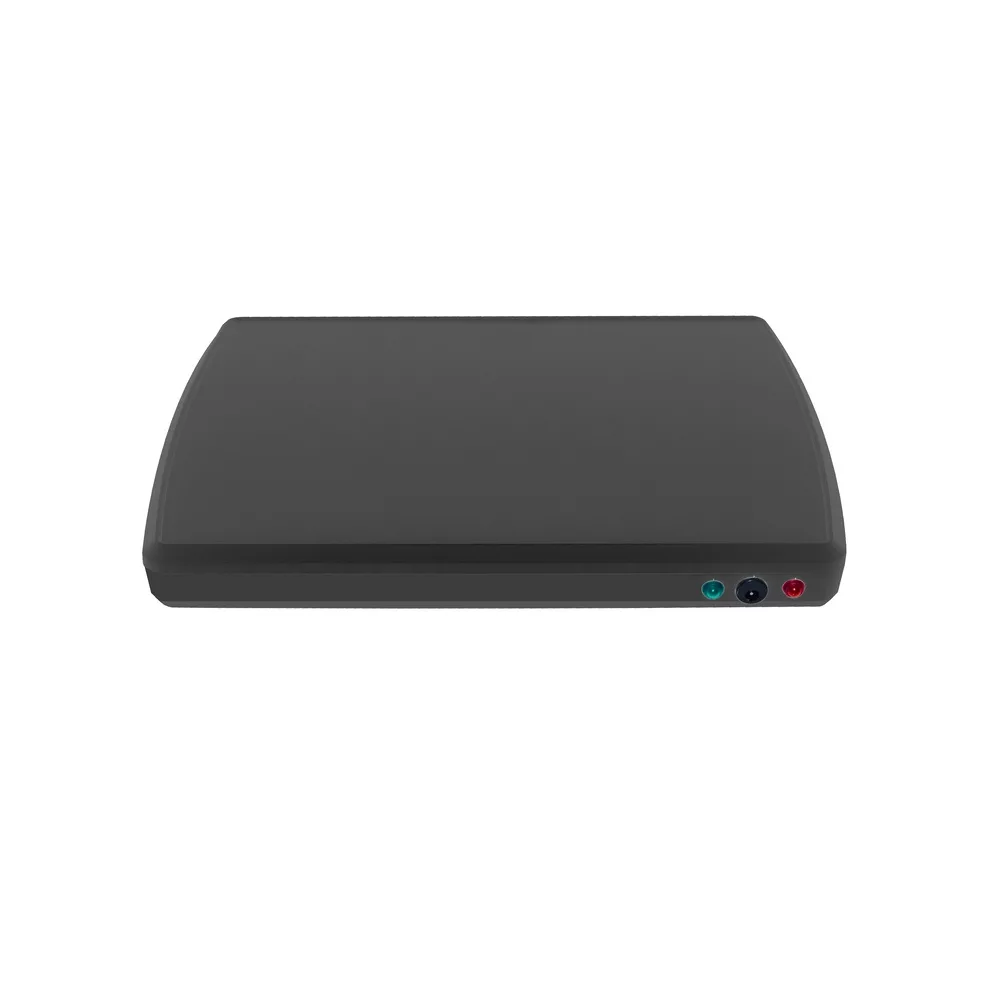
ATE and ATG are two Humidistop ranges proposed for rising damp. ATE uses electromagnetic technology and mains electricity; ATG uses geomagnetic technology without an electrical connection. Choose using the confirmed moisture cause, the installation conditions and the actual…
Read the article →
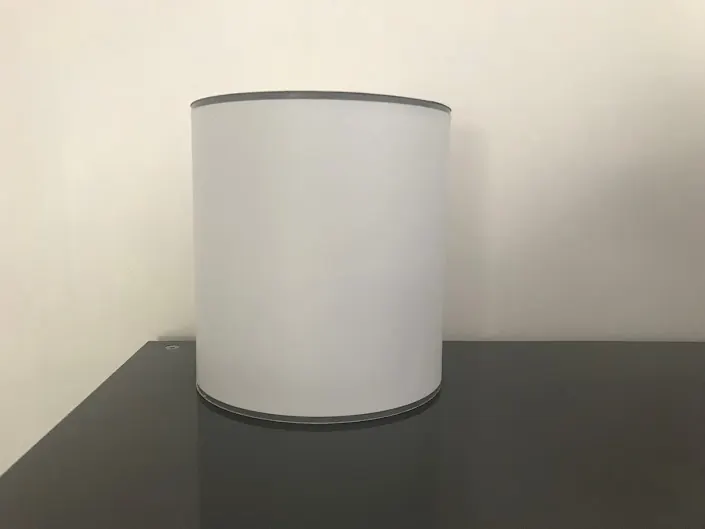
ATG is Humidistop’s standalone geomagnetic range for capillary rising damp, without a mains supply or battery. It can be considered where permanent power for an ATE is unavailable. First check the moisture source, coverage and the exact ATG…
Read the article →