Damp Bedroom Walls: Causes and Practical Fixes
August 13, 2026
Damp Wall Treatment: Paint, Render or a Wall Drying Device?
August 13, 2026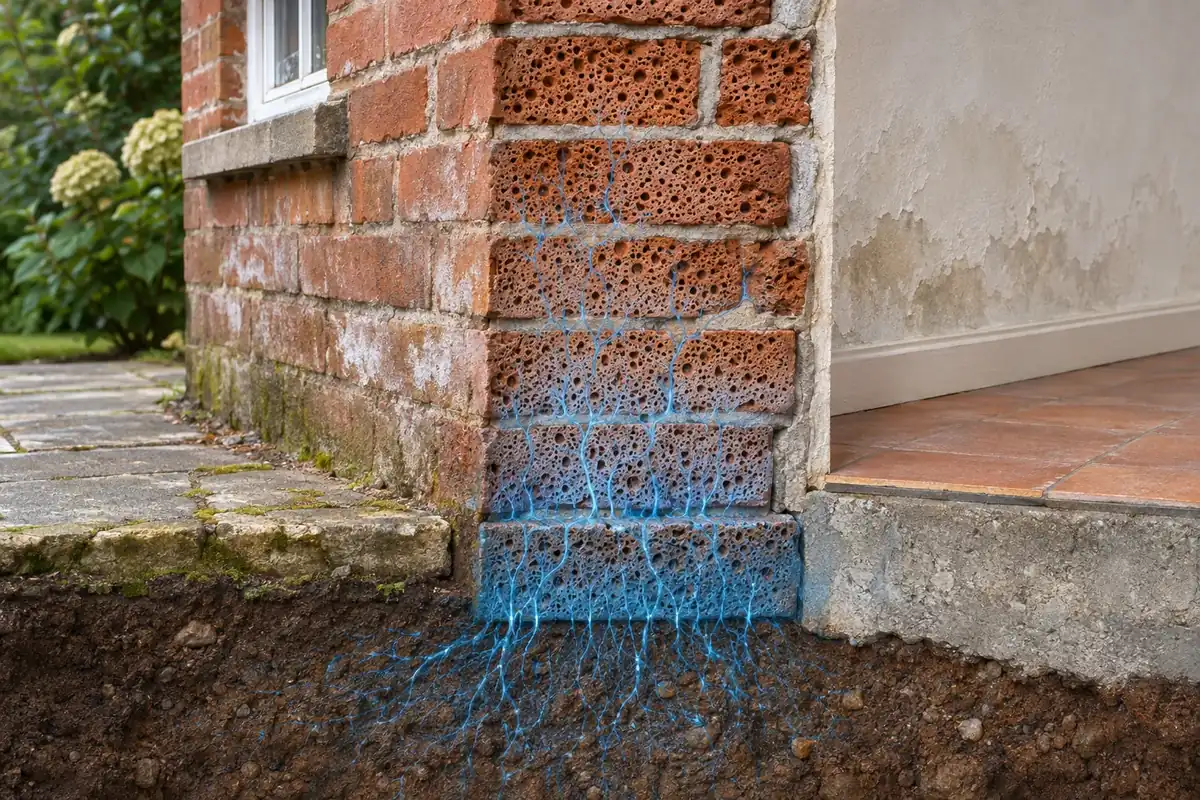
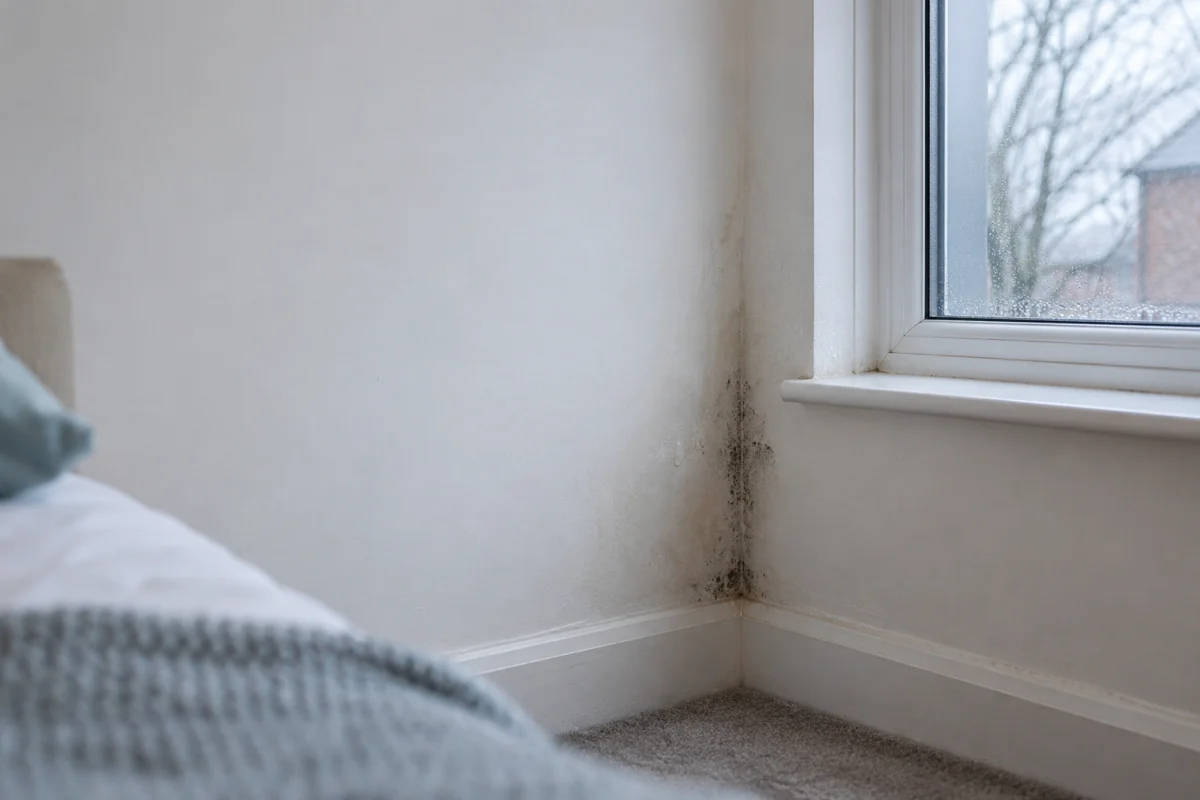
Rising damp is water moving from the ground through porous masonry. Low staining and salts can suggest this mechanism, but cannot confirm it on their own. Investigate leaks, rain entry, external ground levels and condensation before choosing a rising-damp treatment.
| Model | Range | Price |
|---|---|---|
| ATE LC15 | 7.5 m radius, 15 m across | €1,290 |
| ATE LC30 | 15 m radius, 30 m across | €1,590 |
| ATE MAX | 30 m radius, 60 m across | €1,990 |
Read the pattern without turning it into proof
Record affected walls, height, season and changes after rain. There is no universal stain height or perfectly straight tide mark. Different moisture sources can overlap, and salts can retain moisture from the air after an earlier water event.
Compare methods with the same scope
An injected damp-proof course needs a specified product compatible with the masonry and a continuous treatment zone. Drilling pattern and quantity follow that system’s instructions. Drainage manages surrounding water, while renovation plaster manages the finish: these are different functions, not interchangeable remedies.
Prepare treatment and subsequent repairs
If capillary rising damp has been established, consider the ATE and ATG ranges against the building plan and mounting conditions. Repair other active water sources. Keep sound historic finishes where possible and plan damaged-finish replacement using suitable materials and substrate checks.
Preparing a Humidistop purchase
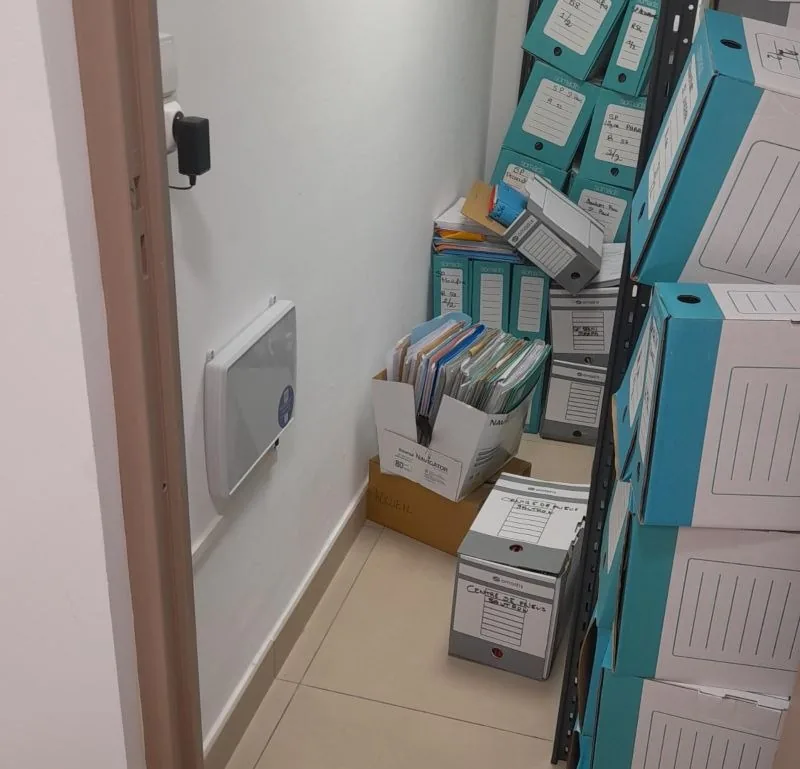
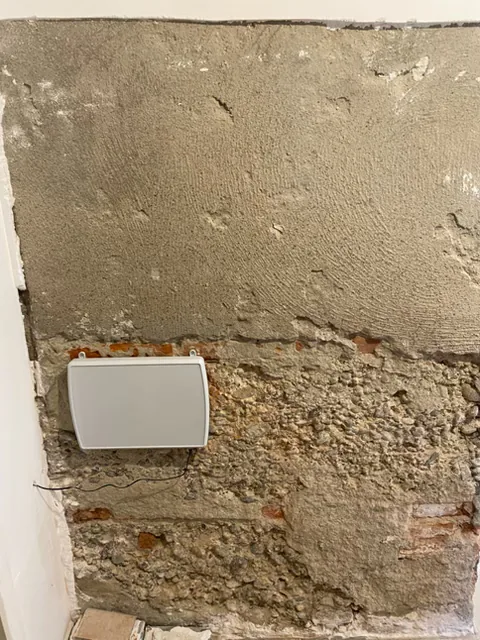
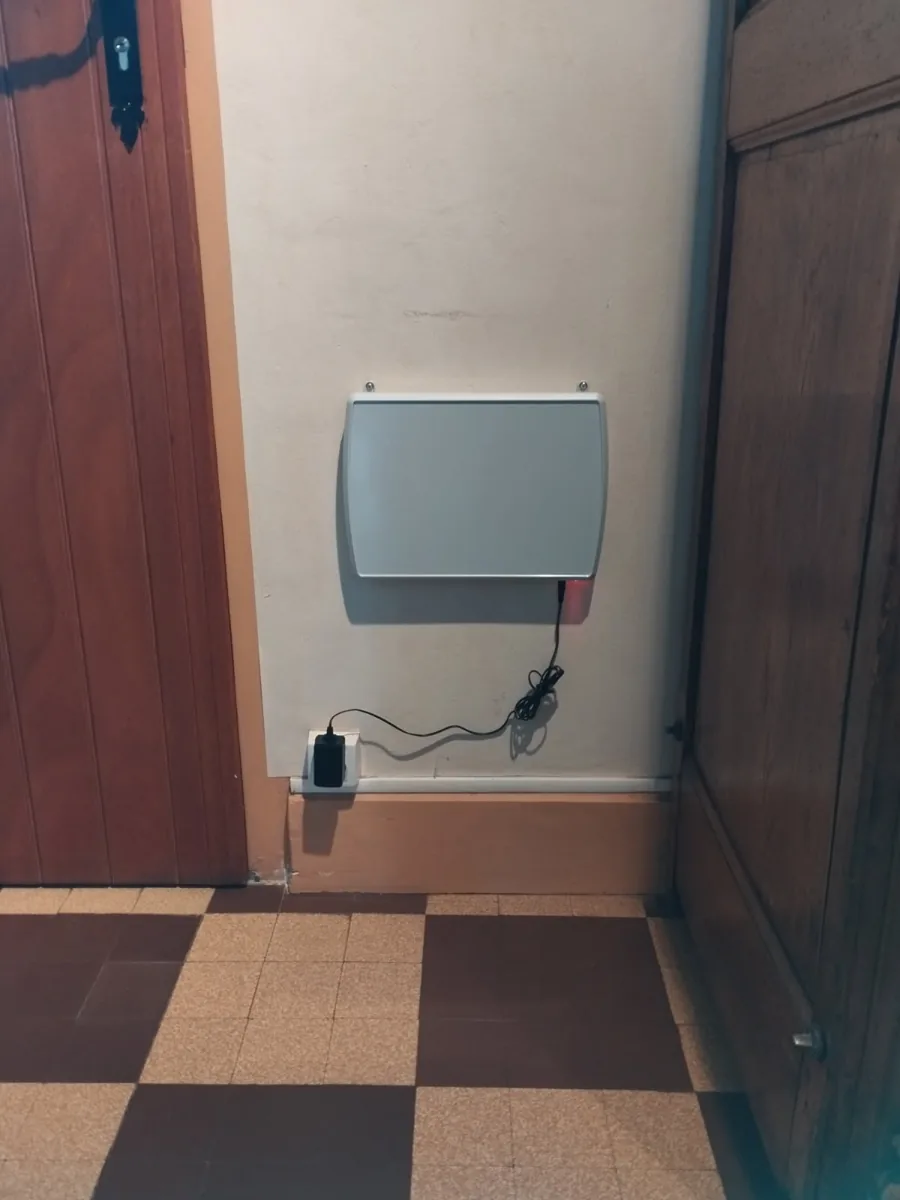
Fit ATE on a damp load-bearing wall, in direct contact with the masonry, following the exact model’s manual. Do not mount it on plasterboard, insulation or a lightweight partition. Check height, clearances, fixings and electrical connection requirements in that manual rather than borrowing instructions for an ATG.
The device needs continuous mains power. Avoid a socket switched off during daily use. Wall fixings can require drilled holes; this is different from drilling an injection course along the wall. Any new electrical connection or uncertain substrate needs appropriate skills.
The advertised coverage diameters are 15 m for LC15, 30 m for LC30 and 60 m for MAX. Their corresponding radii are 7.5 m, 15 m and 30 m. Measure from the actual mounting point to the furthest affected wall and check all parts of the plan. Floor area alone cannot establish coverage.
Drying has no universal deadline. Repeated water entry, wall thickness, salts and coverings can change its pace. Repair active leaks and rain defects. Decide whether damaged finishes need removal and whether replacement finishes are compatible with the wall; avoid stripping sound historic materials automatically. Repaint when the substrate meets the finish manufacturer’s requirements.
Compare the ATE and ATG ranges, read the installation instructions and check the current product specifications, price and order conditions before buying. Humidistop devices are made in France and carry a 10-year manufacturer’s warranty under the applicable model terms.