Humidistop choice guide: find the right device
May 13, 2026Rising damp injection or an anti-damp device?
July 1, 2026ATE: electromagnetic anti-damp device for damp walls and rising damp
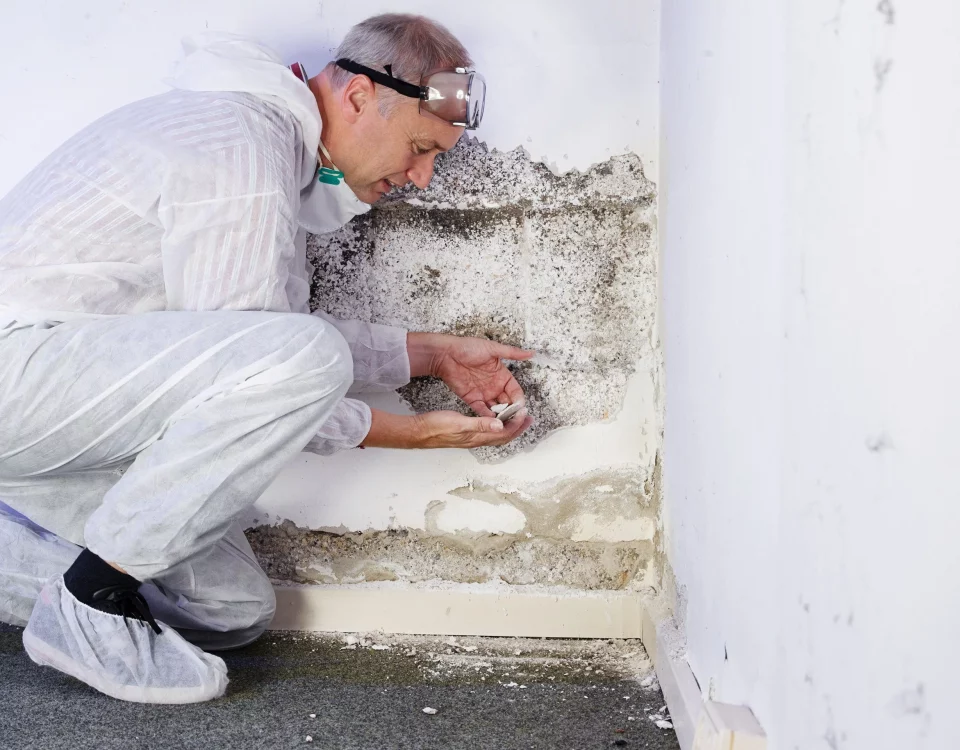
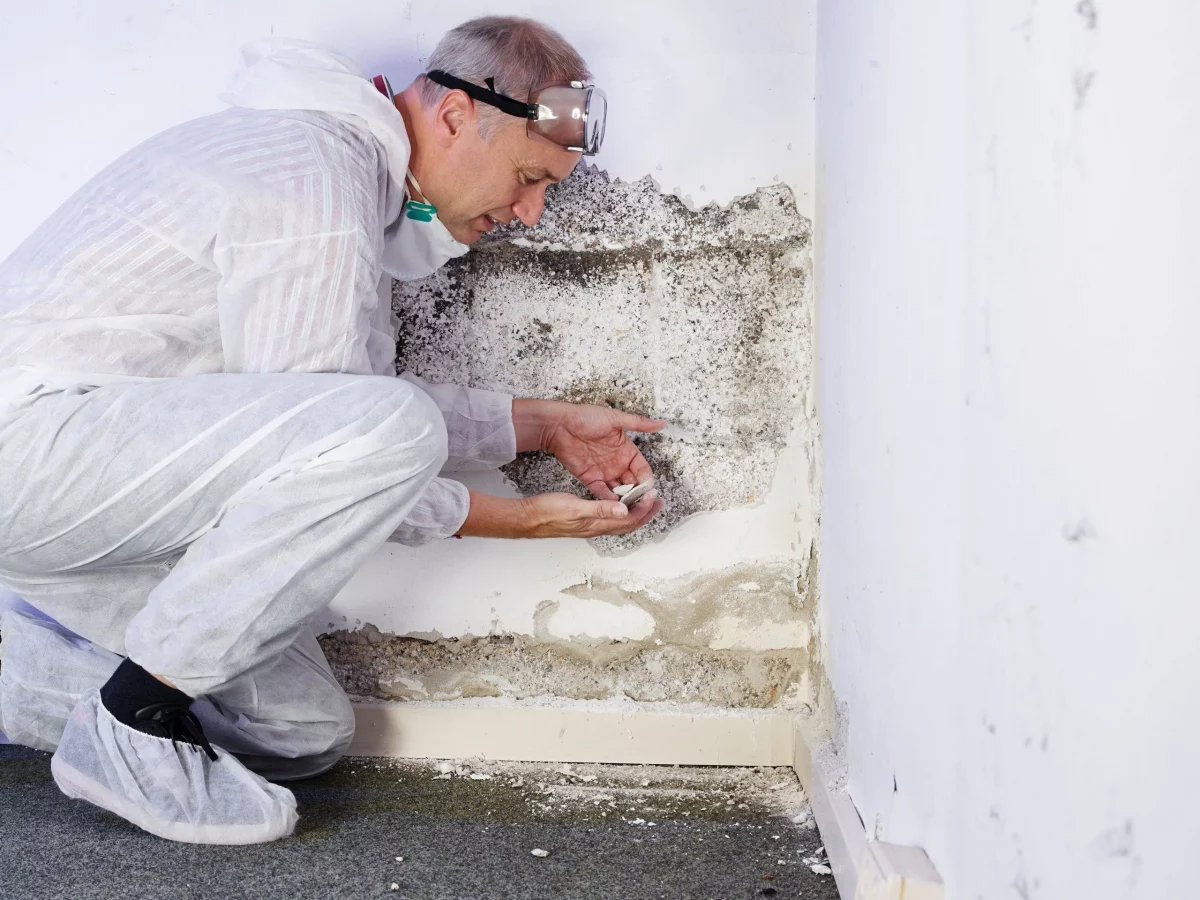
Damp walls are a common problem in older houses, stone buildings, basements, ground floors and properties built on moisture-prone ground. When water from the soil rises through the building materials, this is known as rising damp.
This type of wall damp can cause visible marks at the bottom of walls, salt deposits, damaged plaster, peeling paint, musty smells and an uncomfortable feeling of moisture inside the home.
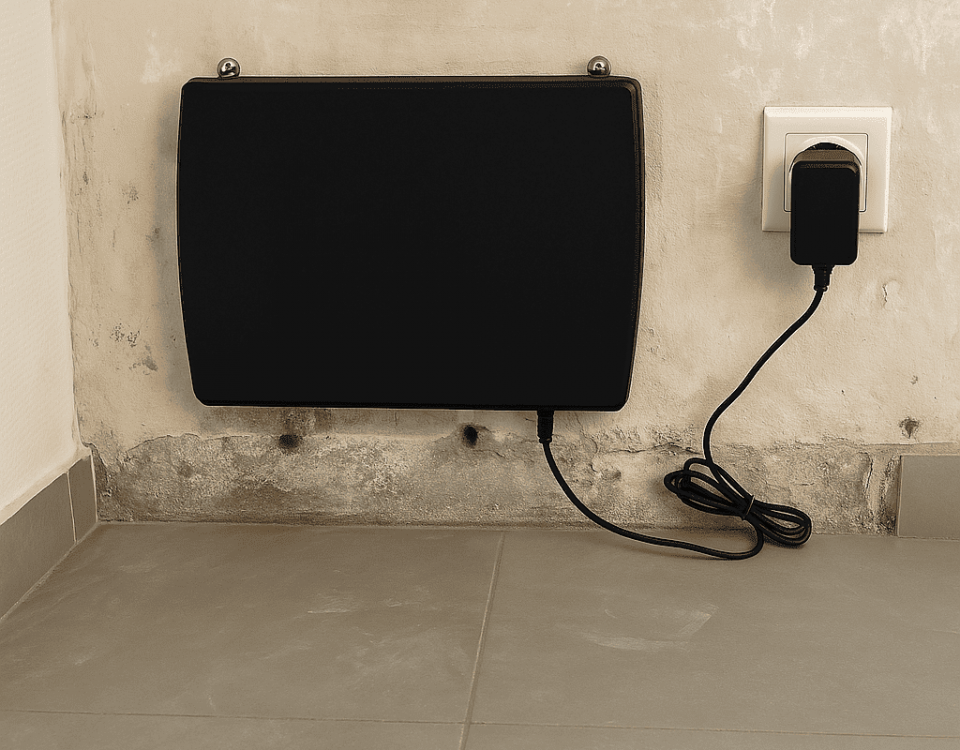
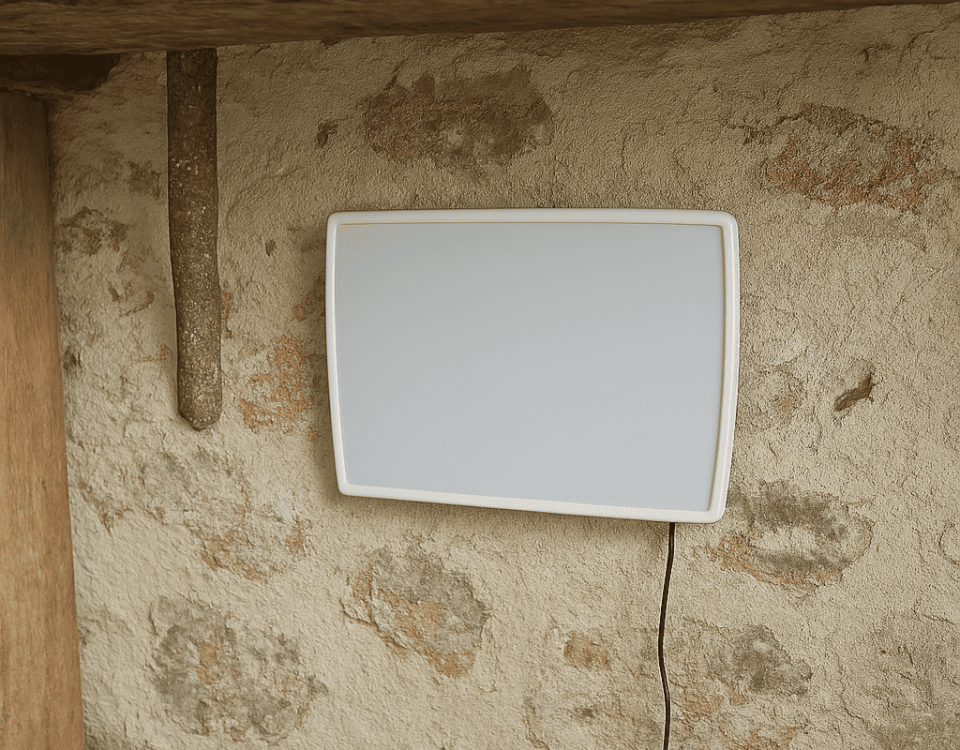
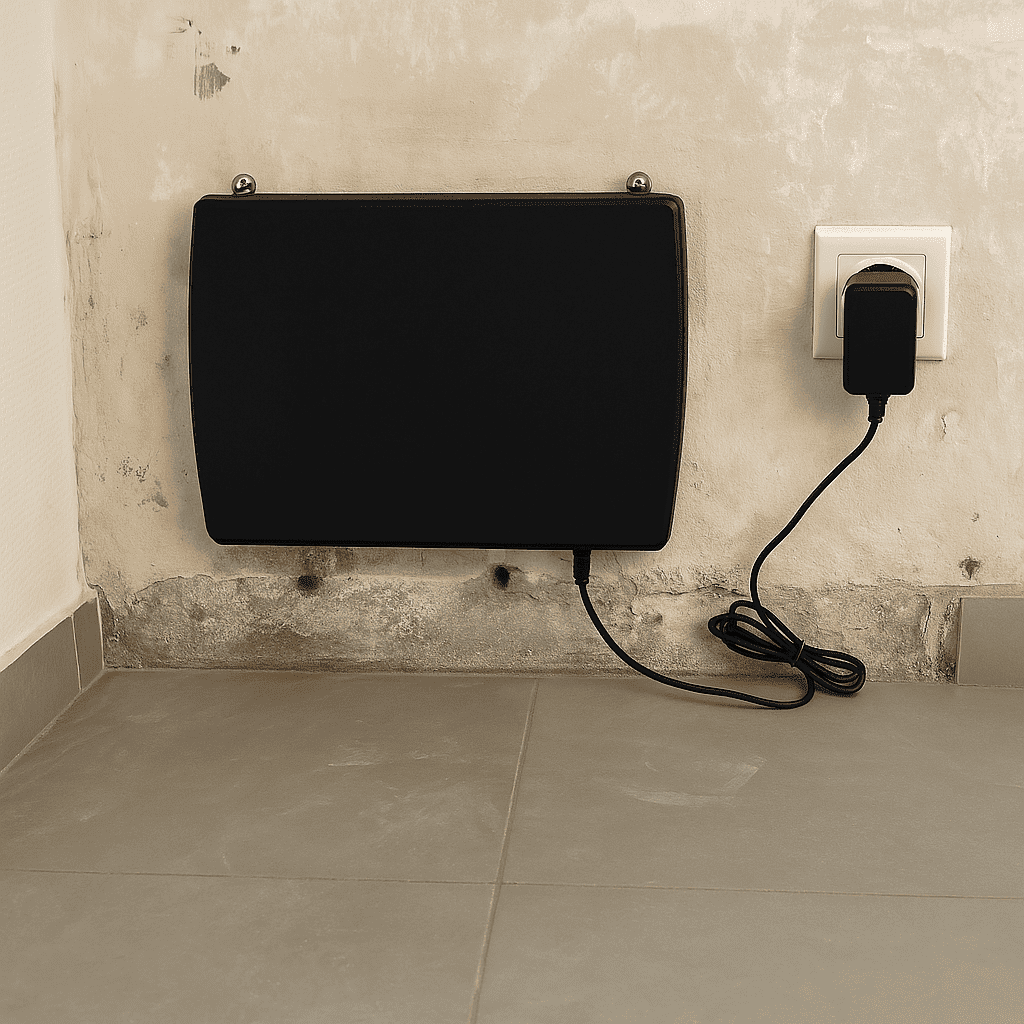
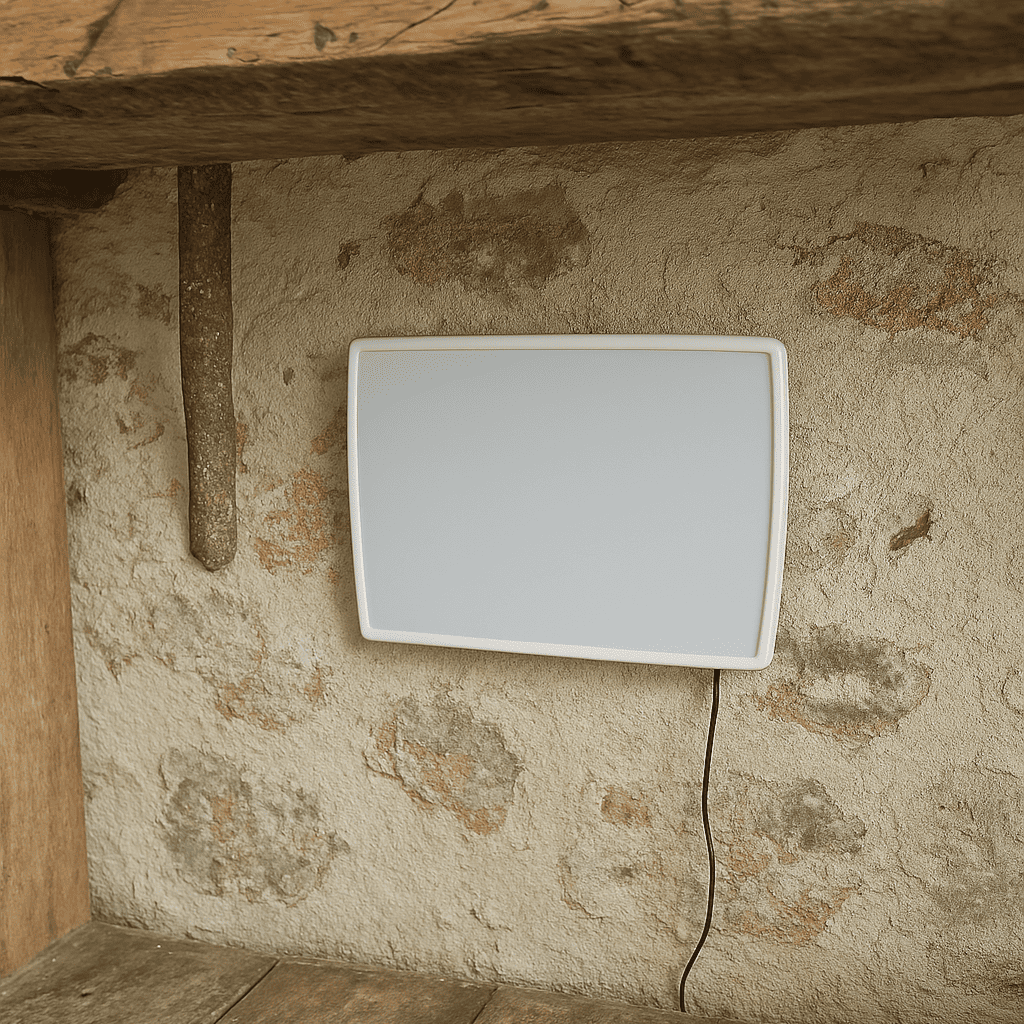
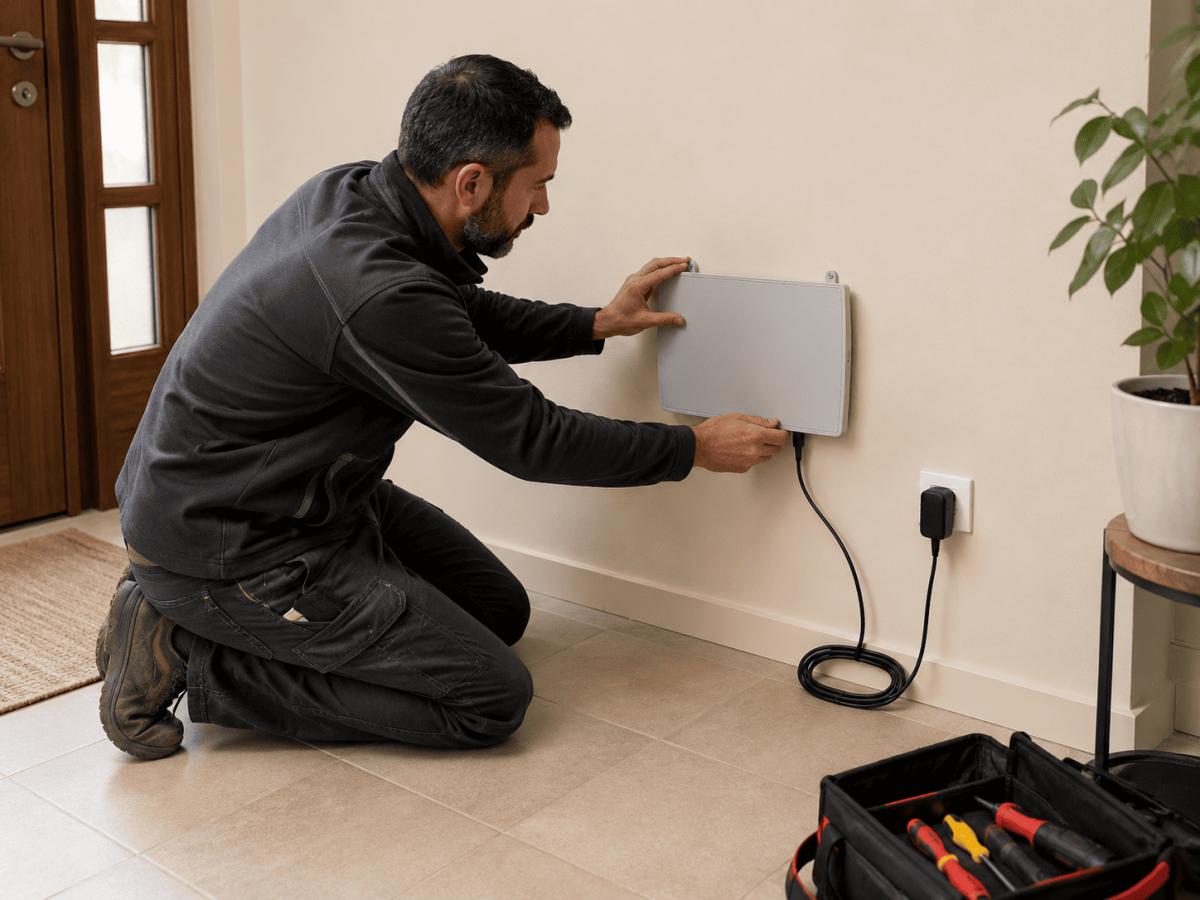
The ATE device is designed to help treat rising damp using low-frequency electromagnetic technology. Once installed on a load-bearing wall, it emits an electromagnetic signal within its coverage area. This signal acts on the behaviour of water present in the building materials and helps limit its upward movement by capillarity.
Unlike traditional damp-proofing methods, the ATE device does not require chemical injections, repeated drilling, demolition or heavy renovation work. It works continuously once connected and supports the gradual drying of damp walls.
The drying process is progressive. A damp wall cannot dry completely in a few days, especially when moisture has been present for several years. Wall thickness, materials, ventilation, initial moisture level and wall coverings can all influence the time needed to see improvement.
The ATE range includes several models, such as ATE LC15, ATE LC30 and ATE MAX. The right model depends on the property layout, wall thickness, area to be covered and severity of the damp problem.
Unsure which model to choose? The Humidistop website offers an online selection guide to help choose the most suitable device for your home, its layout and the damp symptoms observed.
The ATE device is designed for rising damp. It does not treat roof leaks, plumbing leaks, flooding, major lateral water ingress, façade defects or condensation caused only by poor ventilation.
For best results, the source of the damp must be correctly identified, the device must be properly installed and the walls must be allowed to breathe during the drying process.