Ideal Humidity Level in a House: the Right Range
July 9, 2026
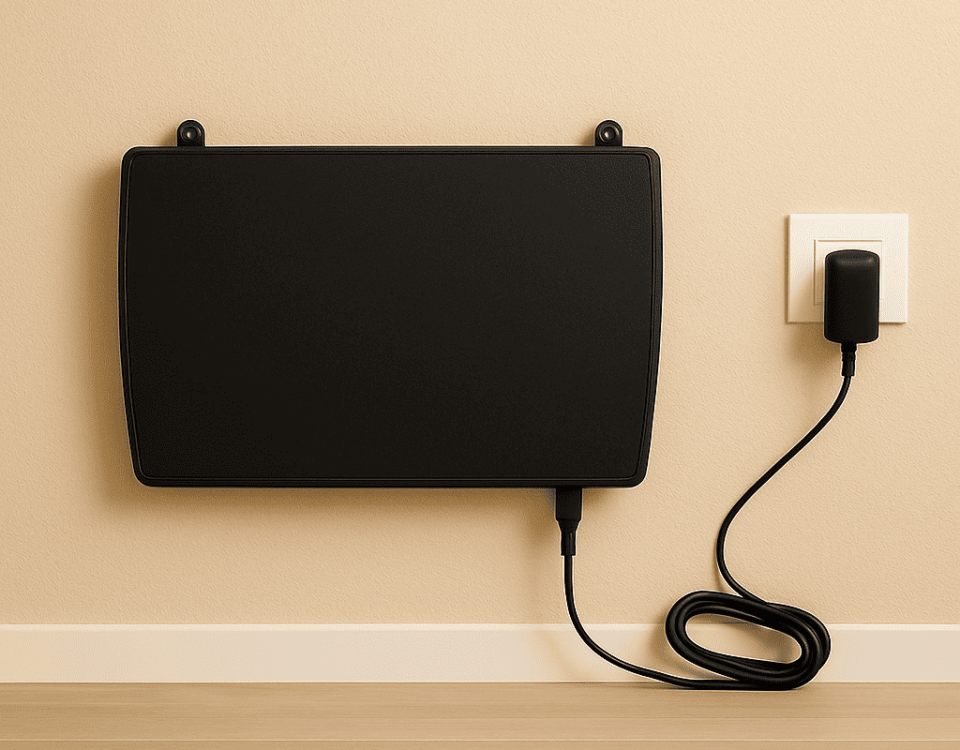
How to Choose a Damp Proofing Device: ATE, ATG and the Right Model
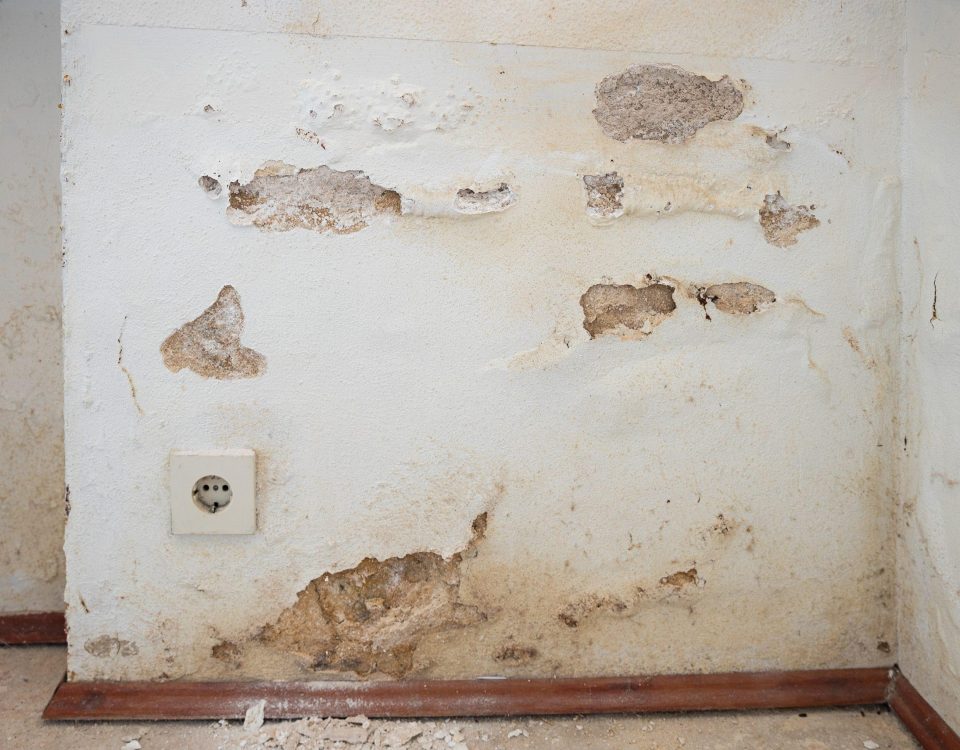
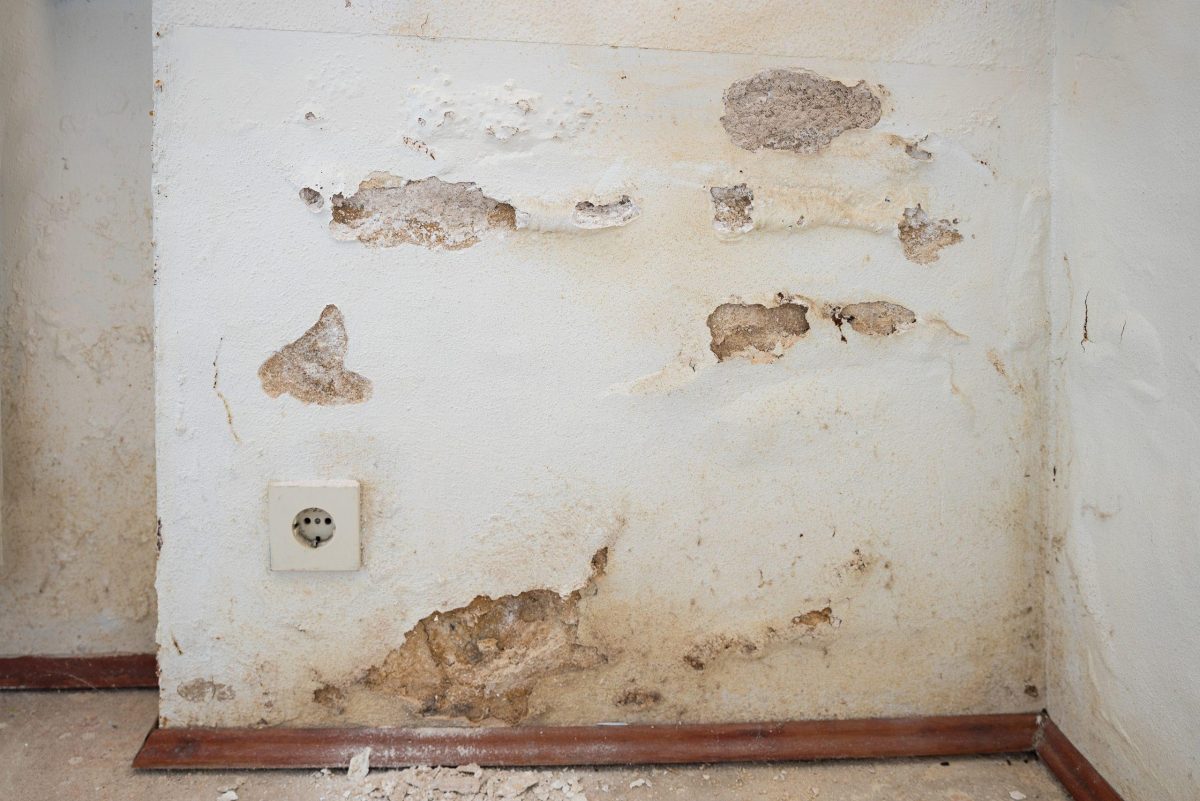
July 10, 2026A crumbling wall base, a warped skirting board, a tide mark creeping up from the floor: rising damp leaves fairly recognisable clues. This problem is ground water slowly travelling up through the porous materials of a wall, much like blotting paper. Spotting rising damp early lets you act on the cause before the damage spreads. Here are six signs that should set alarm bells ringing.
What is rising damp?
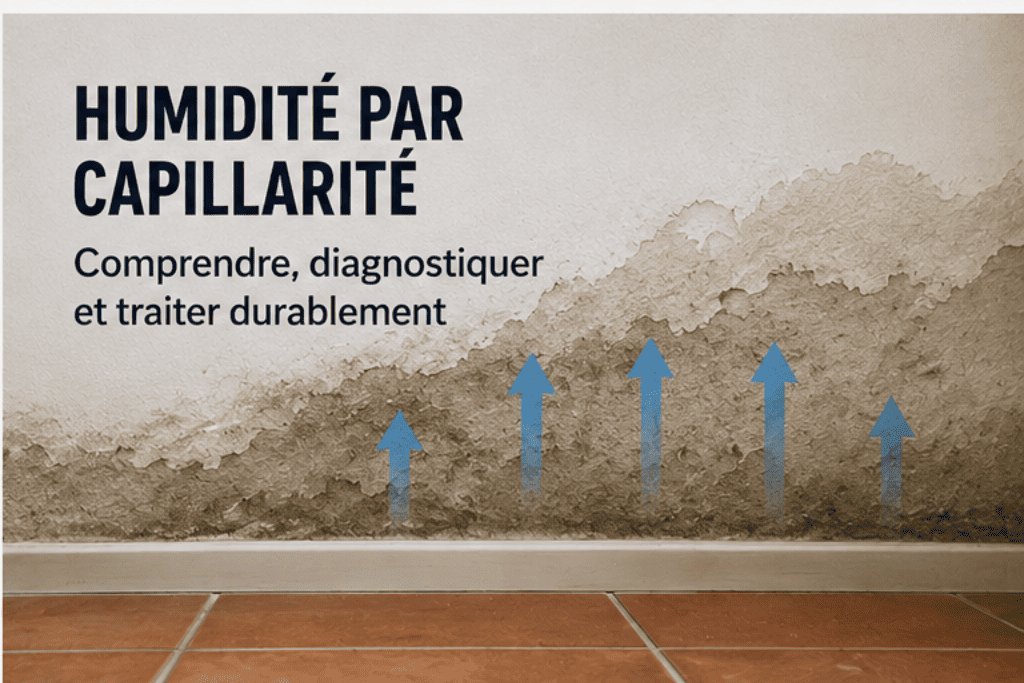
The ground always holds a little moisture. In an old, poorly protected wall, this water can migrate upwards through the tiny pores in the materials. We talk about rising damp when the moisture climbs several dozen centimetres this way, sometimes up to a metre. Along the way it carries mineral salts that dry out on the surface and leave the tell-tale deposits behind.
The 6 signs of rising damp that should alert you
Taken separately, these clues can have other causes. Grouped together at the base of your walls, they often point to this kind of problem.
- a horizontal band of damp at the base of the walls, more marked near the floor;
- skirting boards that warp, and flooring that lifts or peels away;
- a whitish, powdery deposit, known as efflorescence, appearing on the surface;
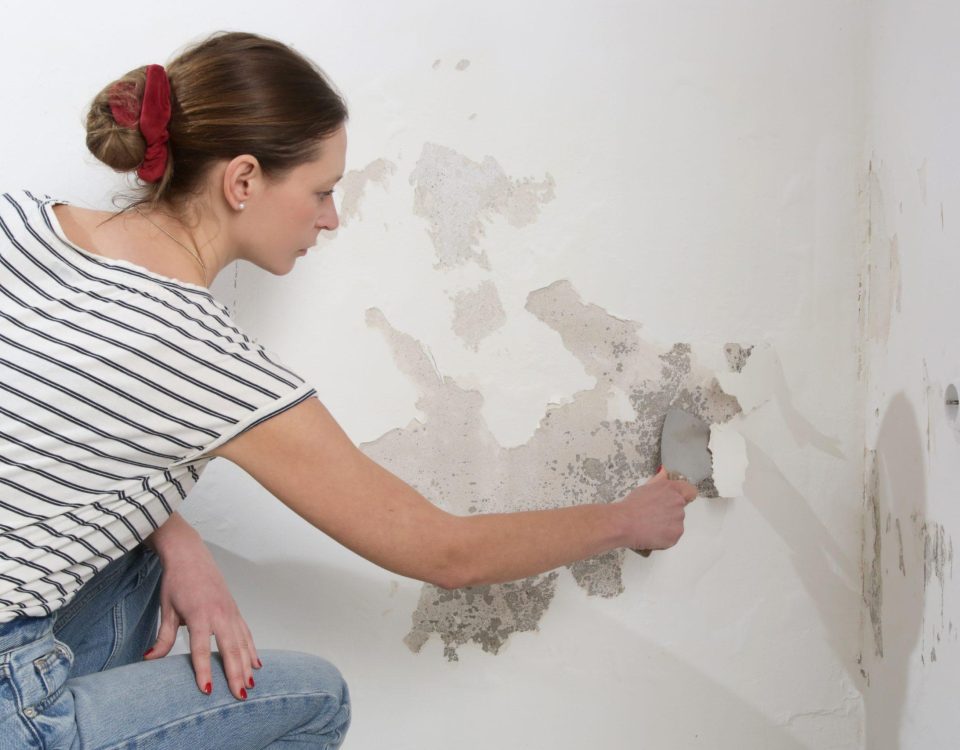
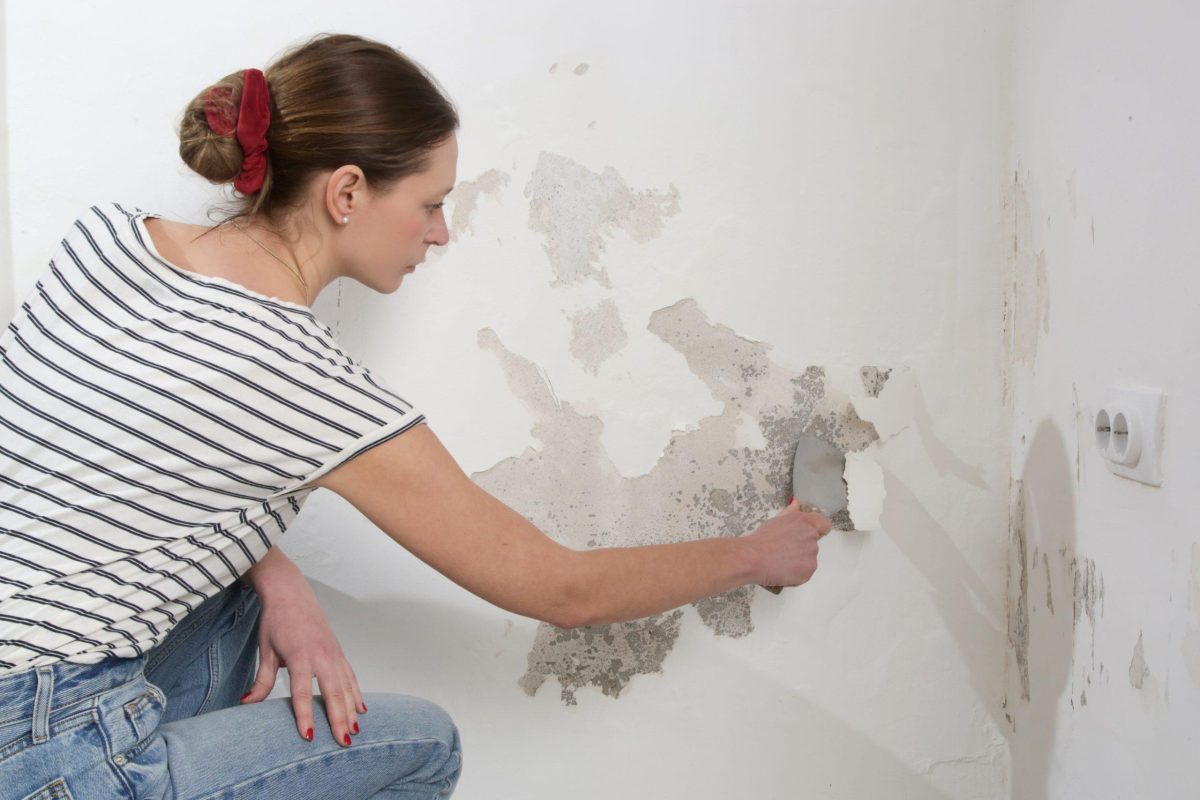
- paint or render that blisters, flakes and comes away in patches;
- wallpaper that keeps peeling from the bottom up;
- a stubborn musty smell and dark stains that keep coming back.
Rising damp or condensation: telling them apart
The height of the damage is a good clue. Condensation mostly forms up high, on windows, ceiling corners and cold walls, because of indoor water vapour. Rising damp, on the other hand, always starts from the bottom and draws a fairly even line of moisture along the floor. An infiltration leak stays localised around one specific point, such as a crack.
What to do about rising damp
The first instinct should be to avoid simply hiding the problem. Painting over it or applying a fresh coat of render will not stop the water that keeps climbing. An anti-damp paint can improve the look once the wall has dried out, but it does not treat the cause. Because this stagnant moisture encourages mould and can weigh on the health of the household, it is best to have a professional carry out a diagnosis to pinpoint the exact source before choosing a suitable treatment.
Why you should not wait
Left untreated, this moisture rising from below weakens renders, lifts coverings and keeps the air humid enough for mould to thrive. Water-logged materials also insulate less well, which you may feel in both comfort and heating. The sooner you step in, the smaller the repairs stay. Noting how high the water reaches and taking a few photos over the weeks also helps you track how things change and discuss it with a professional.
Frequently asked questions
Does rising damp go away on its own?
No. As long as the wall stays in contact with moisture from the ground, the water keeps climbing. Airing and heating help ease the discomfort, but only treating the cause solves the problem for good.
Can you just paint over it?
A coat of paint hides the stains for a while, then the blisters and efflorescence come back. You first need to clean up the surface and treat the source of the moisture before considering any finish.