Damp treatment scam: how to avoid it and pay a fair price
July 1, 2026
Damp Garage: Causes and Effective Solutions
July 9, 2026On the shelf, anti-damp paint promises clean, protected walls. Faced with dark marks or condensation, the temptation to open a tin and repaint is strong. But is anti-damp paint really effective, or does it simply hide the problem? Here is what it can do, its limits and the right order of steps.
What is anti-damp paint?
Under this name, you mostly find water-repellent or anti-condensation coatings. Some resist water and vapour better, others contain insulating micro-beads meant to limit condensation by keeping the surface a little less cold. It is a finish, applied to the inside face of the wall, not an underlying treatment.
What anti-damp paint can do
- limit surface condensation on a cold wall;
- give a clean look that stands up better to ambient damp;
- slow the return of small marks on a sound, dry wall;
- serve as a finish once the cause of the damp has been treated.
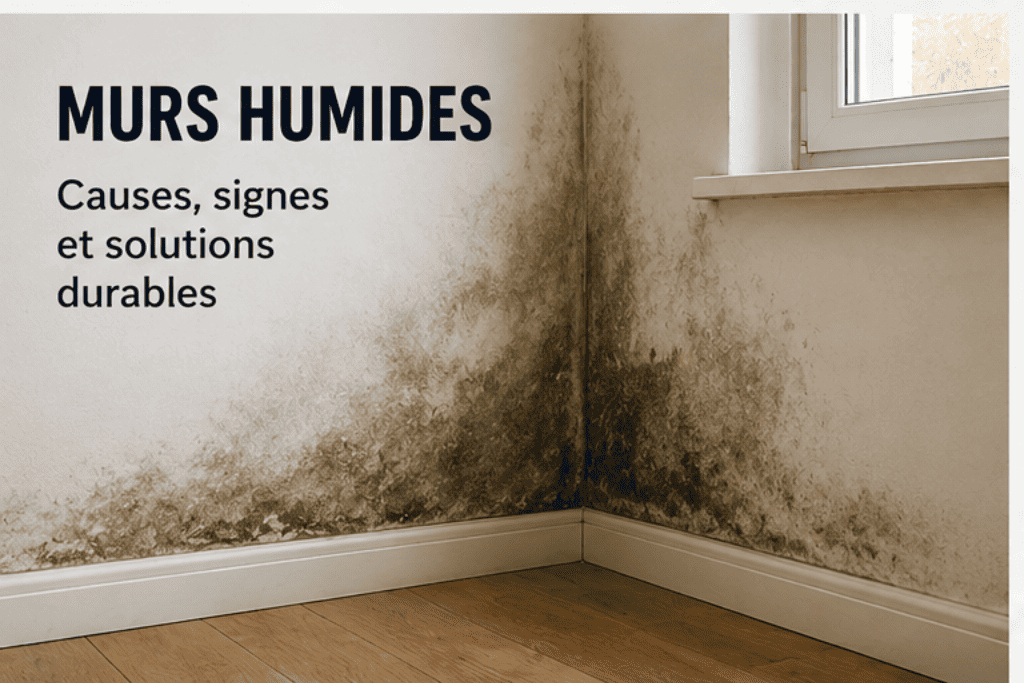
What it cannot do
This is where most of the disappointment lies. Anti-damp paint does not treat the cause when the water comes from inside the wall itself.
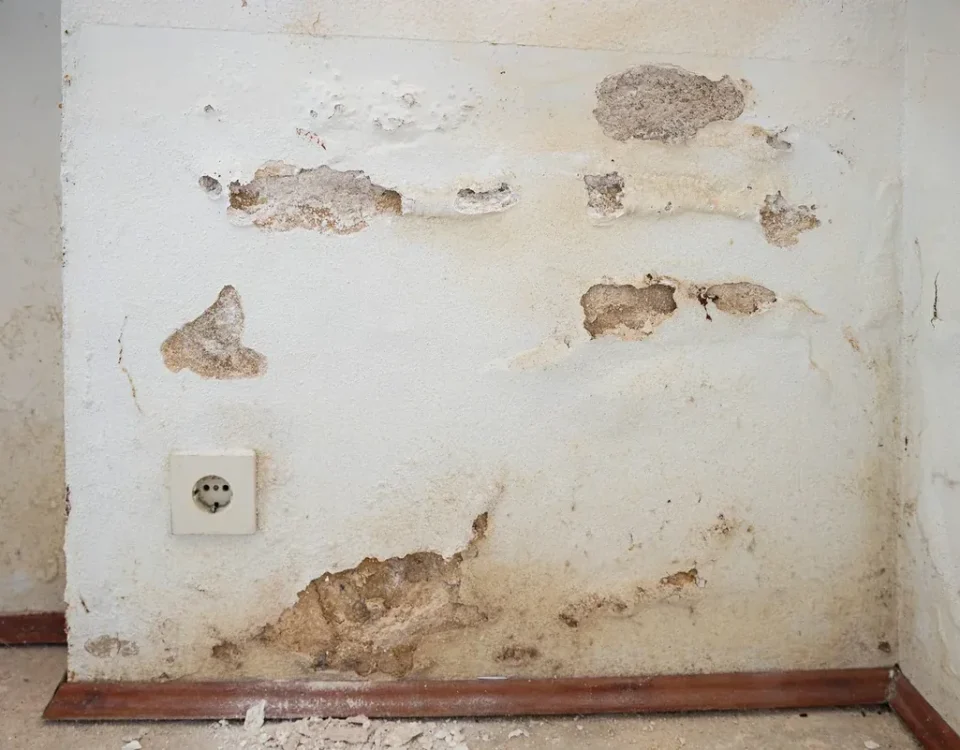
- it does not stop rising damp climbing from the ground;
- it settles neither an infiltration nor a leak;
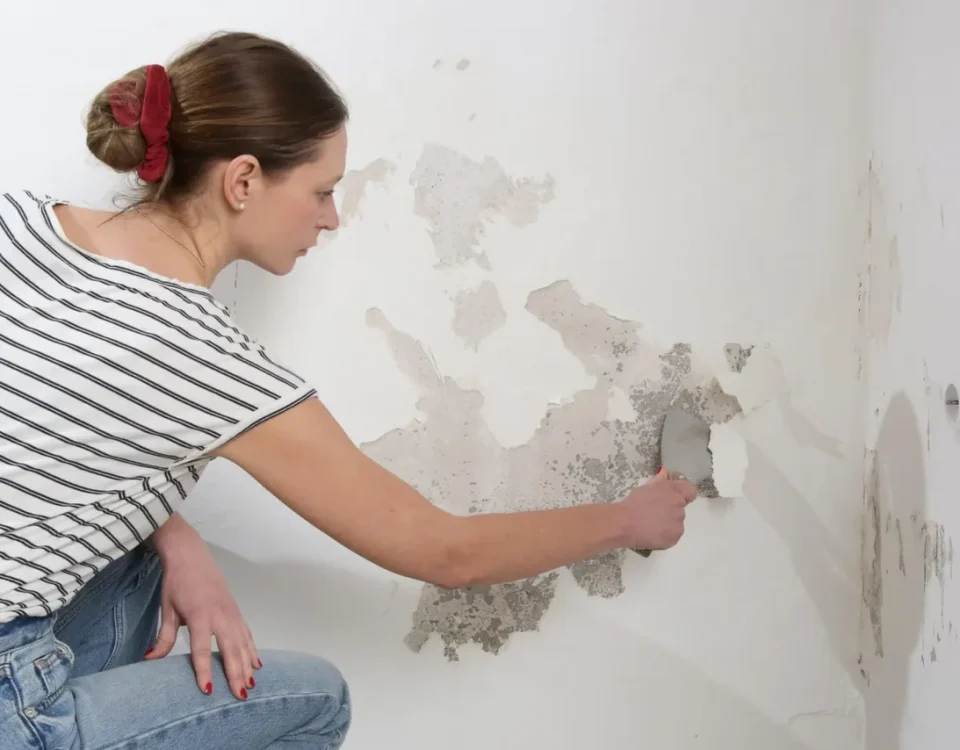
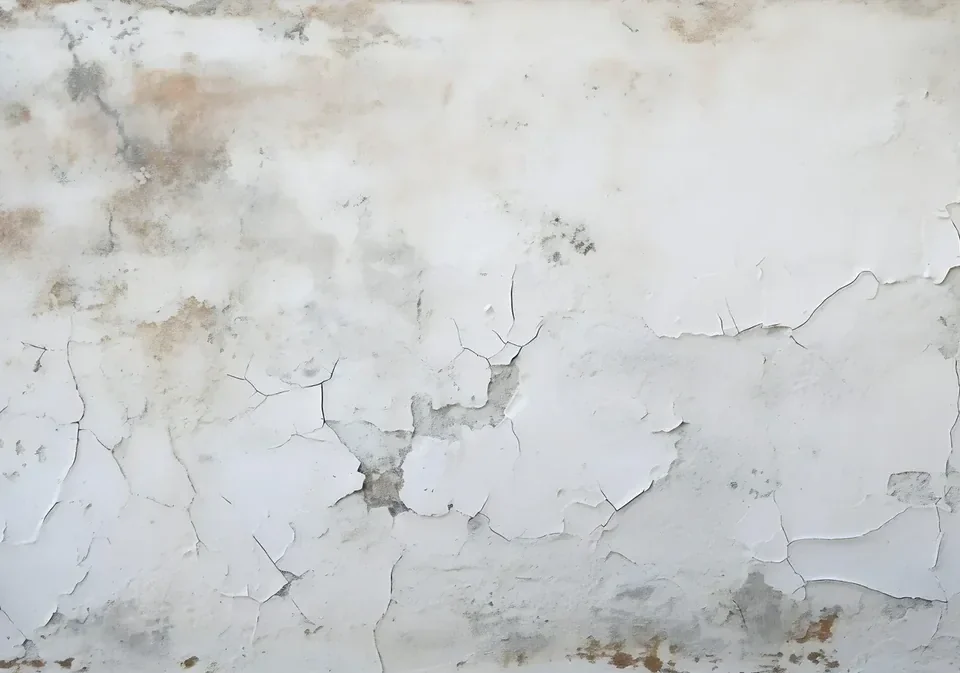
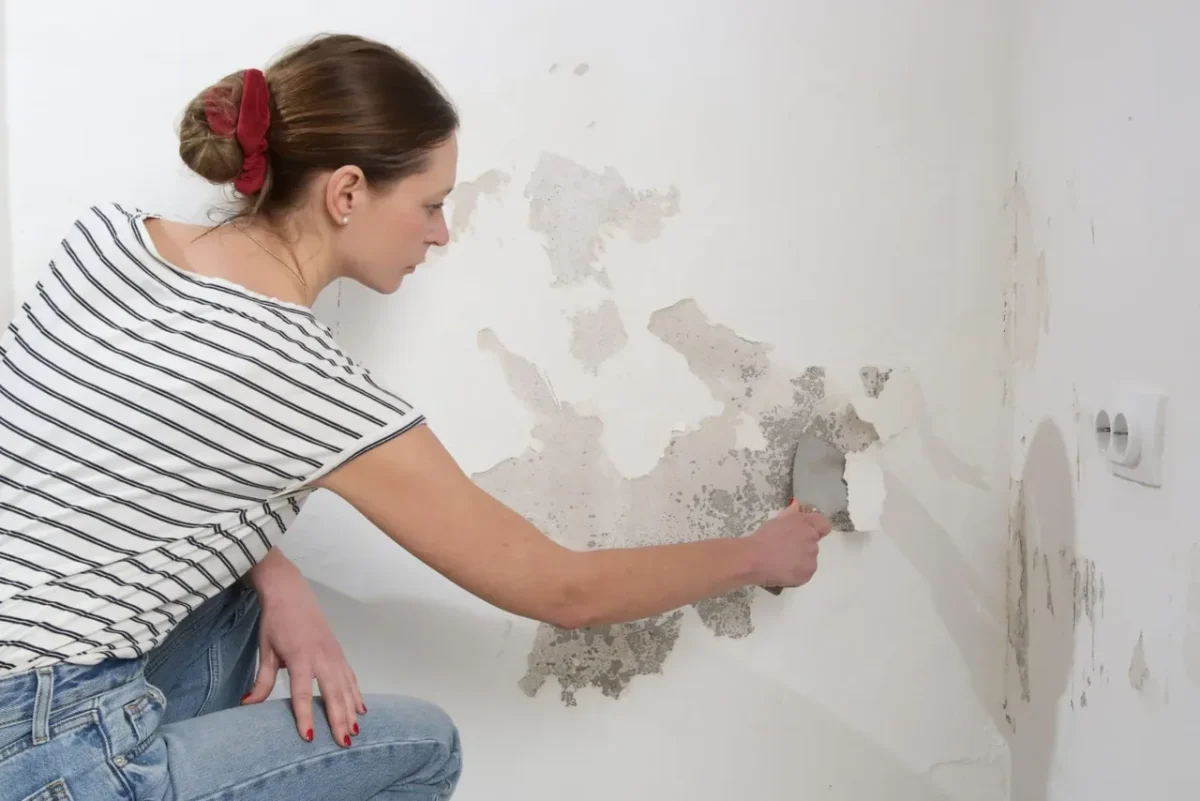
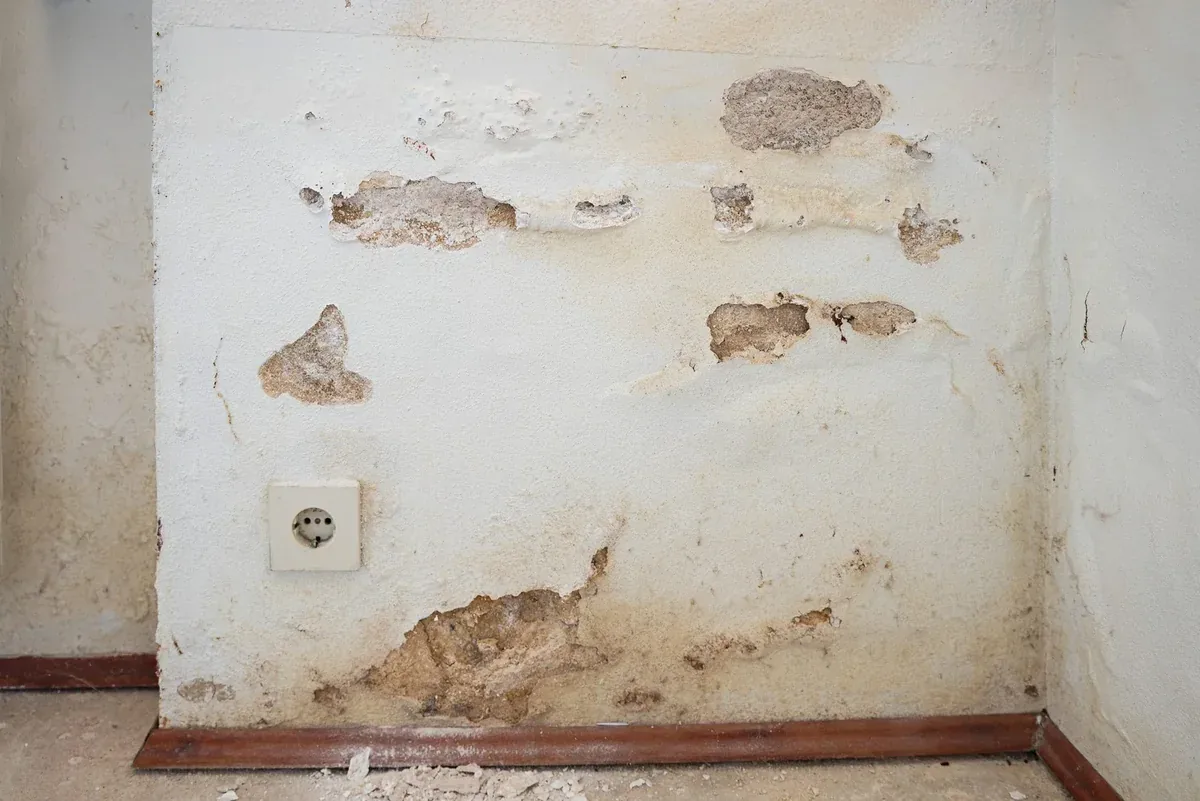
- applied to a damp wall, it blisters and peels away;
- it can even trap the moisture inside the wall.
Anti-damp paint: the right order of steps
For anti-damp paint to be of any use, you first have to identify and treat the source of the damp, then let the wall dry out completely. You freshen up, you repair, you dry, and only then do you apply the finish. Alongside this, keeping an ideal humidity level between 40% and 60% stops the problem coming back.
Anti-condensation or water-repellent, do not confuse them
These solutions do not all target the same problem. An anti-condensation product tries to keep the surface a little less cold, so vapour does not settle on it. A water-repellent, on the other hand, pushes rainwater off an outside facade. Neither acts on water rising from the ground or crossing a buried wall, which is why it matters to identify the source before buying anything.
Preparing the surface counts just as much as the tin you pick. A sound, dry wall, stripped of old blisters, takes a finish far better. On a wall still loaded with water, even the finest coating will end up peeling. So it is better to wait out the drying time, sometimes several weeks, than to paint too soon.
In short, a finish suited to damp rooms has its place as a final touch, as long as you stay clear-eyed about what it fixes and what it will never settle on its own.
Frequently asked questions
Does anti-damp paint stop rising damp?
No. It only covers the surface. Rising damp keeps climbing behind the coating, which will end up blistering if the cause is not treated.
Can you paint straight onto a damp wall?
No, you need a sound, dry surface. On a wall that is still damp, even anti-damp paint holds badly and peels quickly.