How to Air Out a Damp Room the Simple Way
July 9, 2026
Damp in a Wardrobe: What to Do About It
July 9, 2026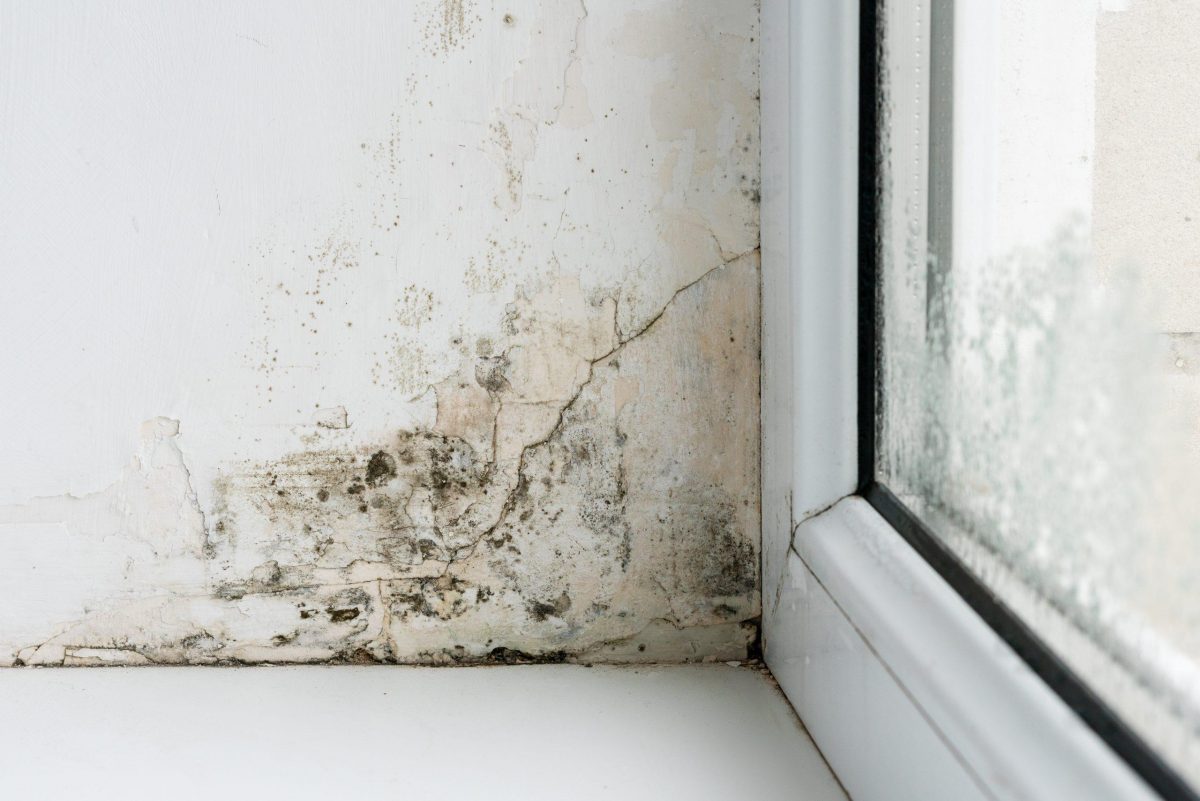
We think of comfort first, but the link between damp and health deserves a closer look. A home that is too damp encourages mould, dust mites and stale air, all of which can trouble more fragile people. Understanding what damp and health have to do with each other helps you react early. Here are the known risks and the simple ways to protect yourself.
Damp and health: the risks to know
When damp settles in, mould develops and releases spores into the air. Dust mites, for their part, thrive in a humid setting. This environment is linked to more irritation of the eyes, nose and throat, to allergies and to breathing discomfort, especially in sensitive people.
Who is most exposed
- young children, whose airways are more sensitive;
- older people and those already made frail;
- people with asthma or allergies;
- anyone whose immunity is weakened.
For these groups, healthy air matters even more, and the link between damp and health becomes very real day to day.

How to protect yourself day to day
Protecting the link between damp and health comes above all from cutting moisture at the source.
- air out for 10 minutes morning and evening, even in winter;
- maintain the mechanical ventilation and do not block the air vents;
- cut the vapour: laundry outdoors, lids on pans, extractor hood, shorter showers;
- aim for a humidity level between 40% and 60%;
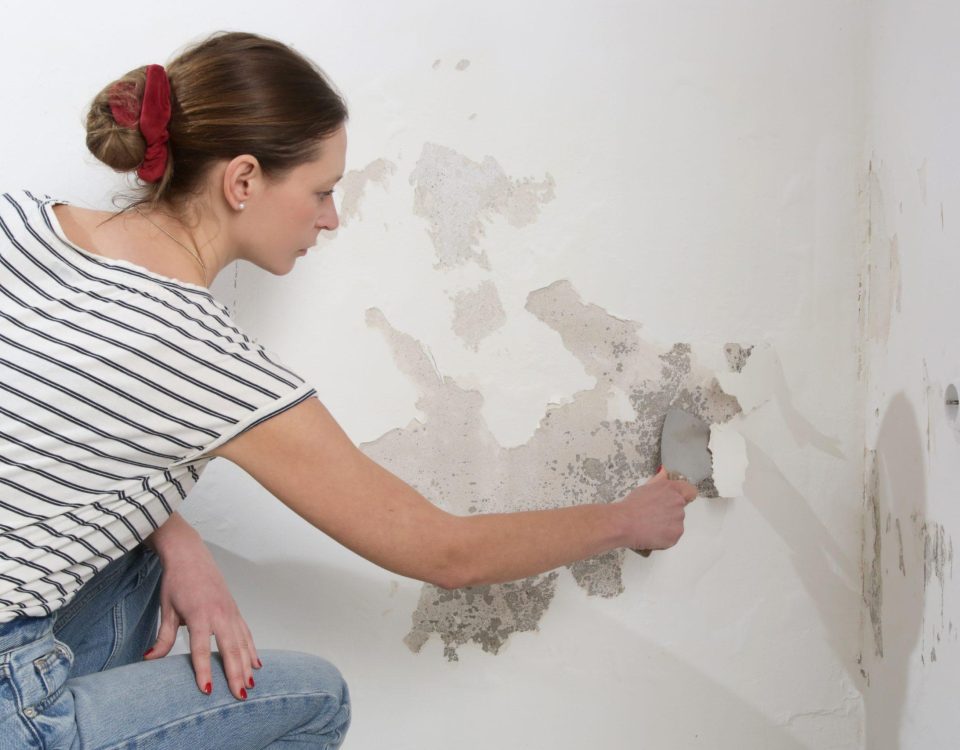
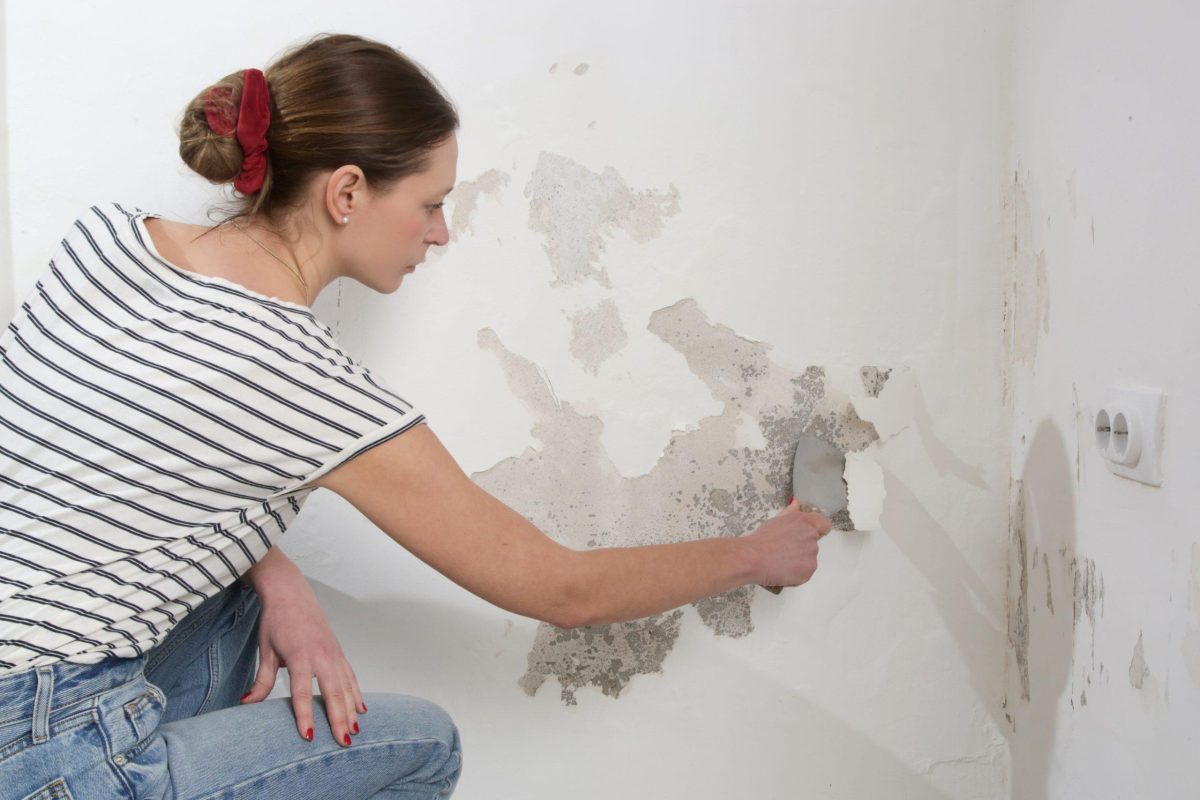
- clean small surface mould without delay, with gloves, a mask and the window open.
Treating the cause rather than the symptoms
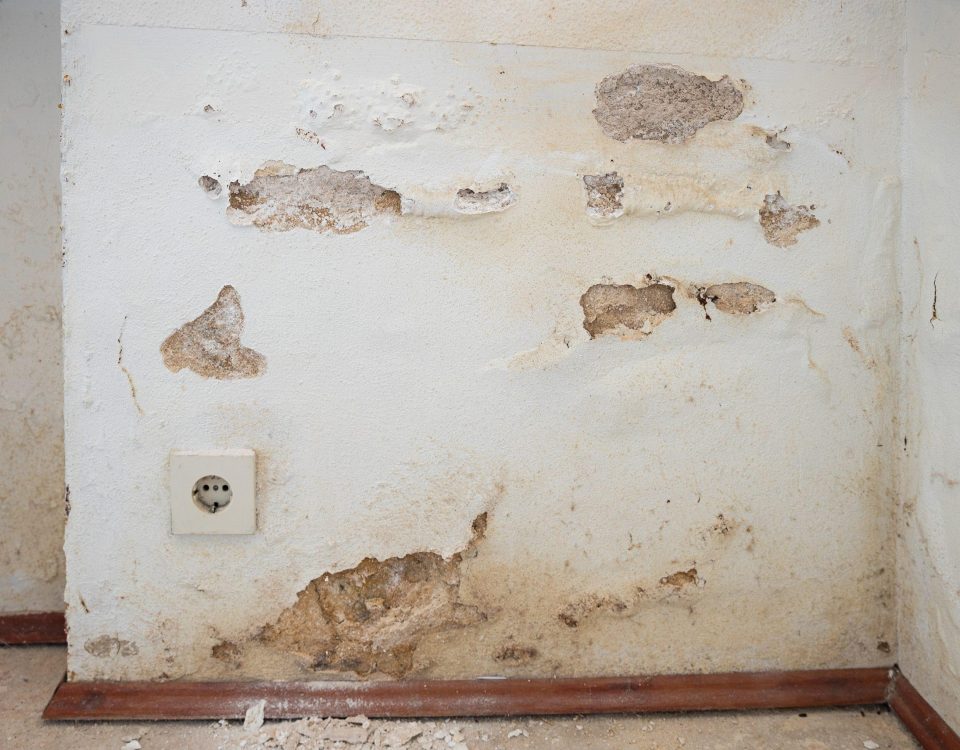
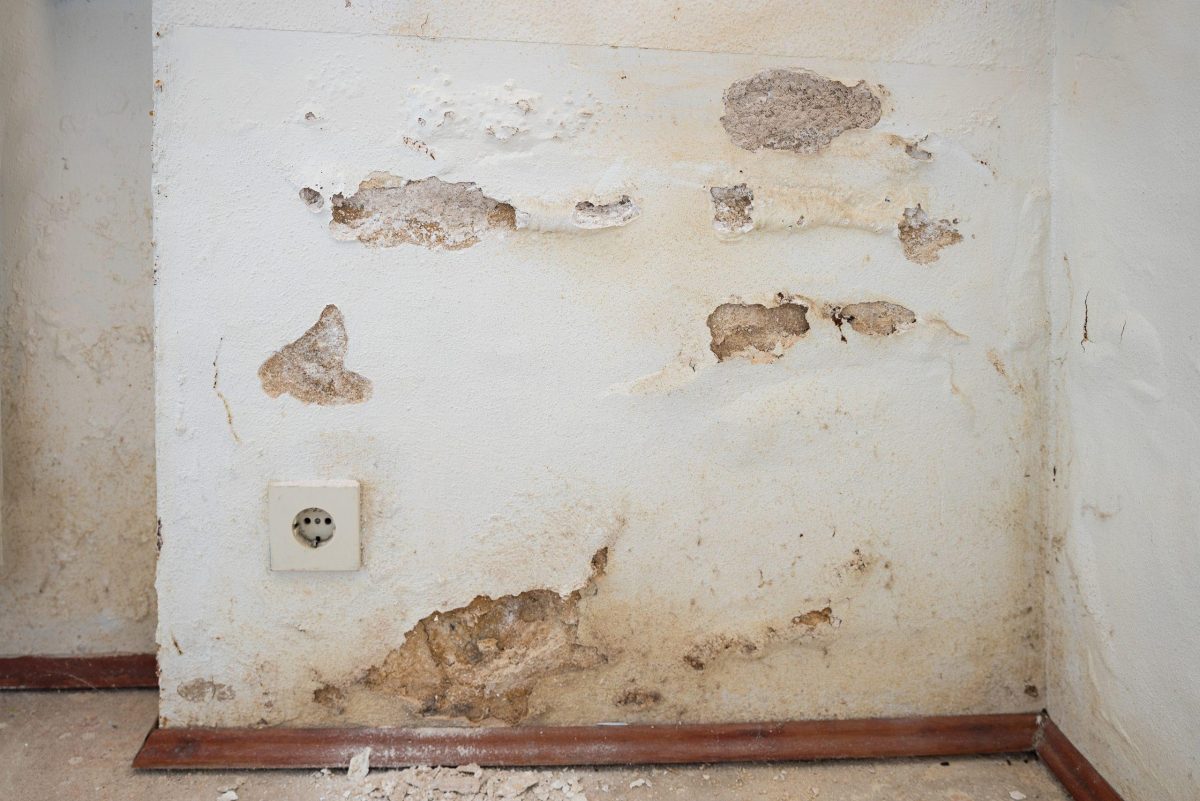
If the mould keeps coming back, it is the sign of an underlying problem: condensation, an infiltration leak or rising damp. Cleaning is then not enough: you need to air out the room and tackle the source of the water to protect the household for good.
Ventilate and keep watch, the right habits
Ventilation stays the best ally of healthy air. A well-maintained mechanical system, clear vents and daily airing are often enough to push back mould and dust mites. In bedrooms, air the bedding in the morning and avoid pushing the bed against a cold wall, two simple steps that cut the moisture closest to the sleeper.
Keep an eye on the signals too: condensation lingering on the windows, laundry that dries badly, a musty smell that returns. They give away air that is too loaded before the stains even appear. When in doubt, a hygrometer confirms the trend. And if the problem persists despite well-ventilated rooms, a diagnosis rules out a hidden cause, such as an infiltration leak behind a partition.
Frequently asked questions
Can damp make asthma worse?
Damp air loaded with mould or dust mites can trouble people with asthma and set off symptoms. Reducing the moisture and freshening the air helps limit this discomfort.
Is mould always visible?
Not necessarily. A lasting musty smell, with no visible stain, can give away mould hidden behind furniture or under a covering. The smell is a signal to take seriously.