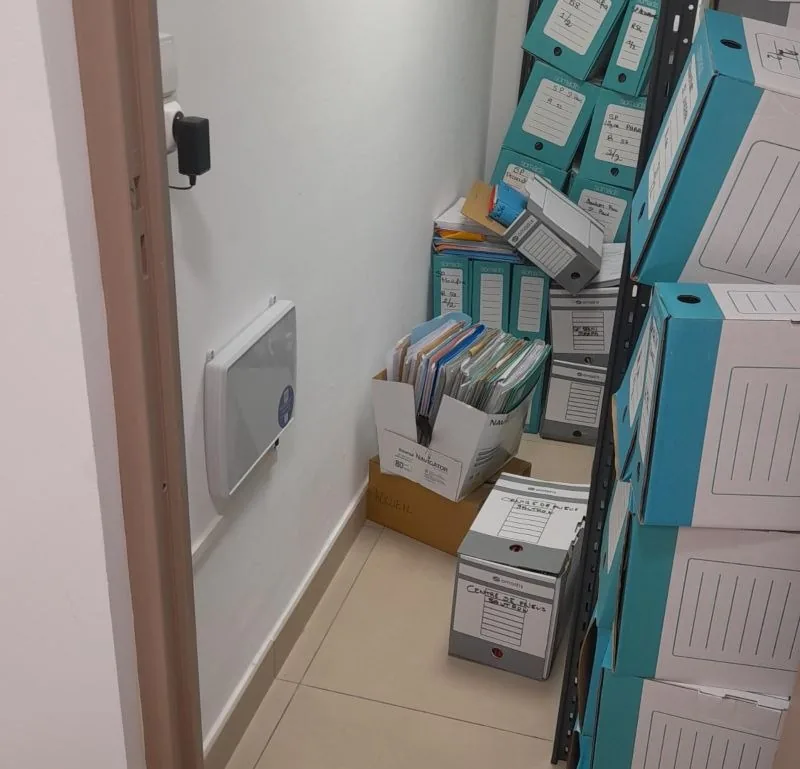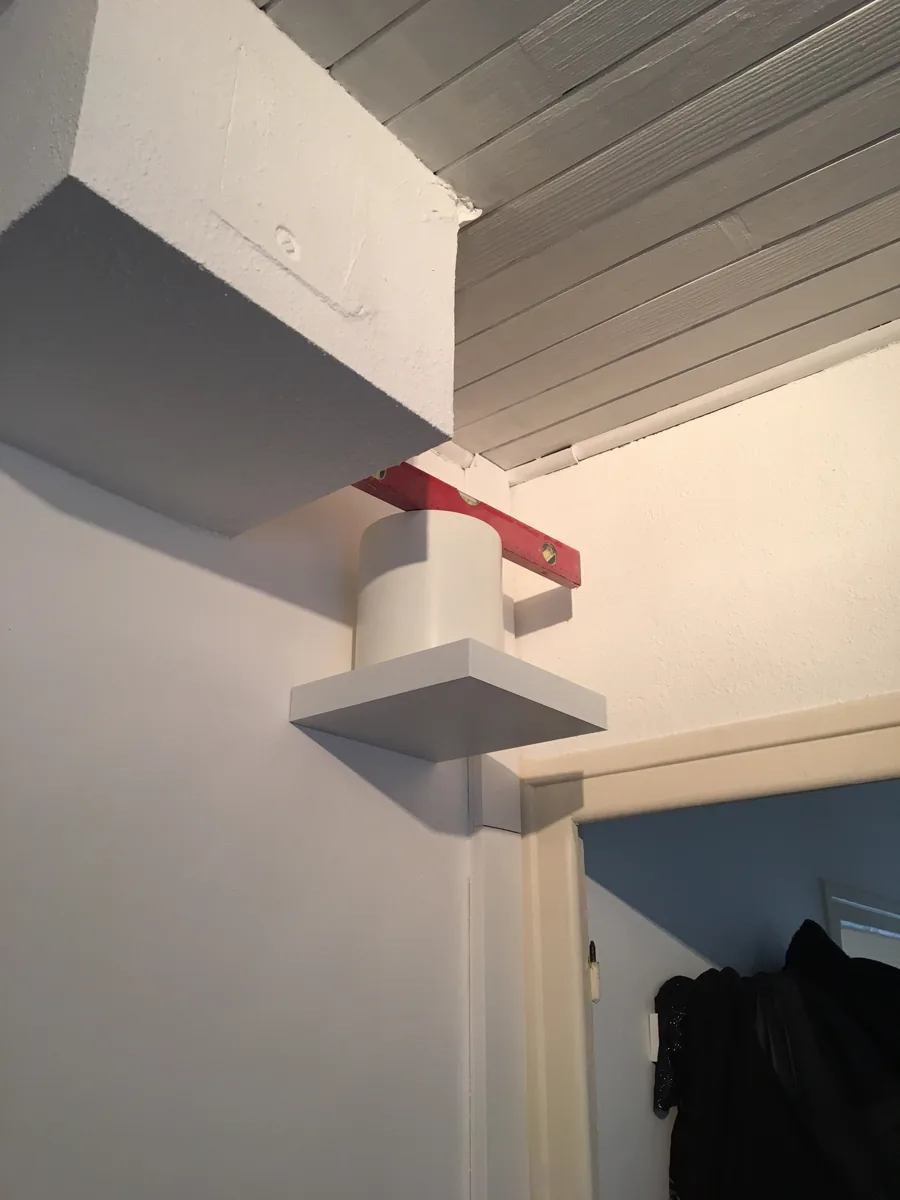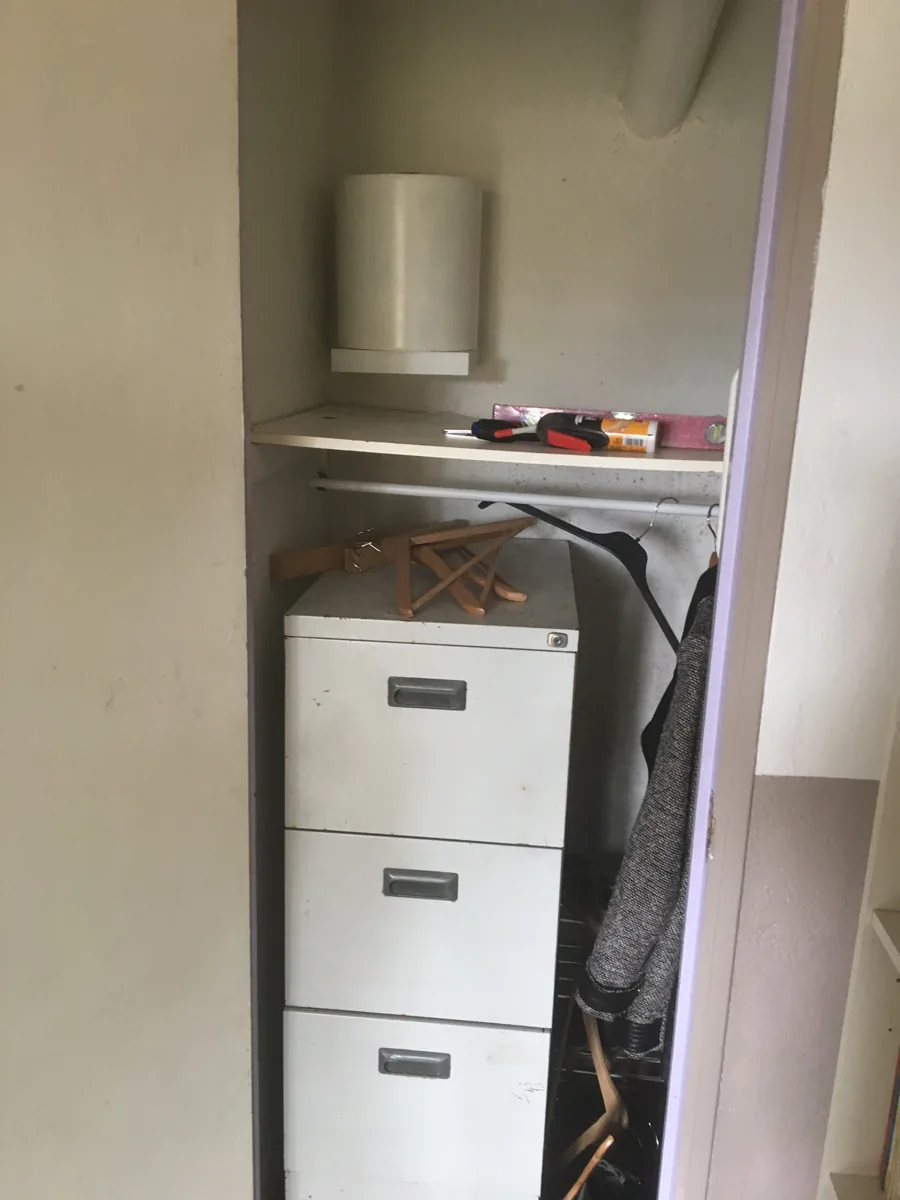
Where to install an ATE anti-damp device
May 13, 2026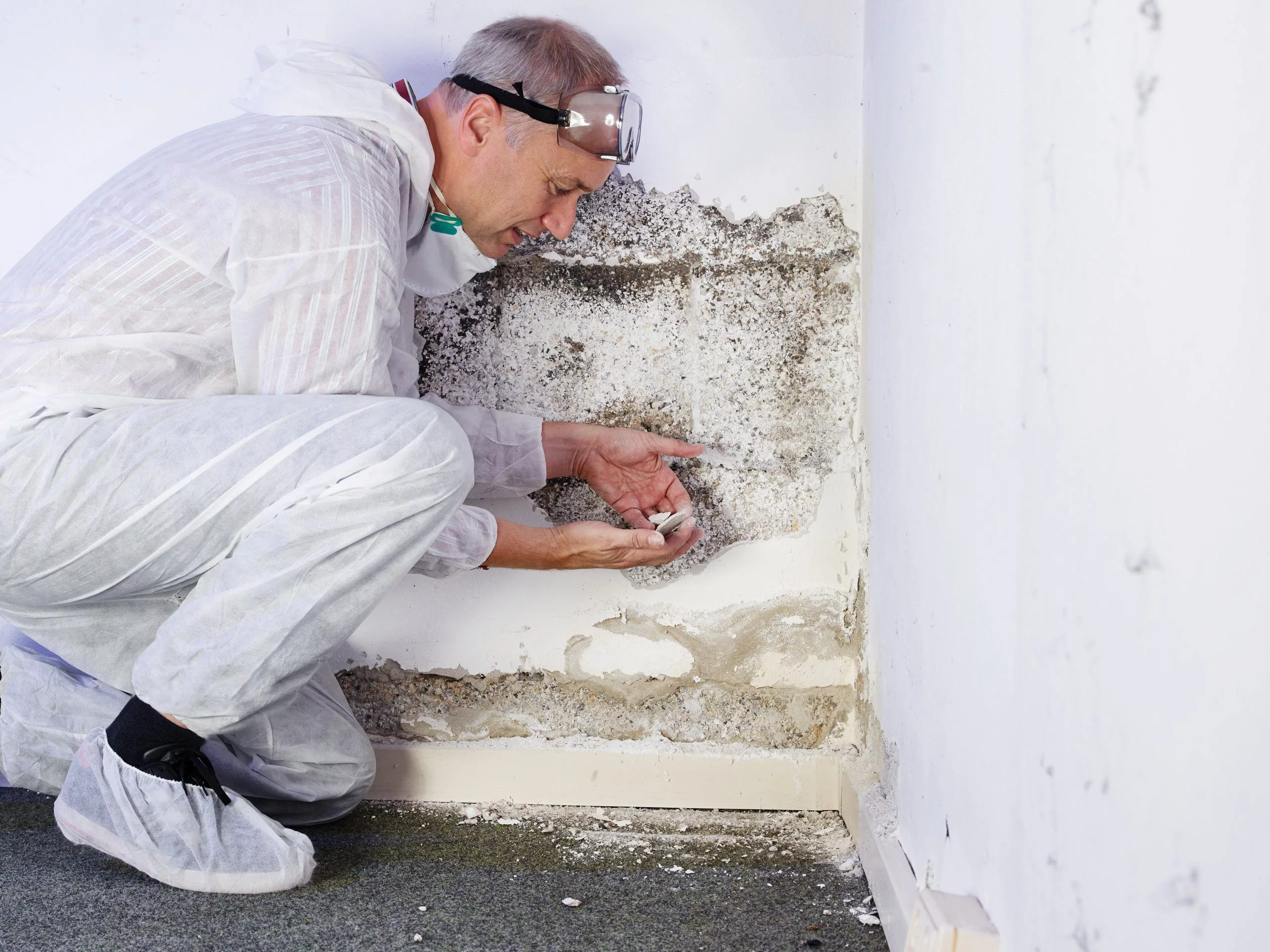
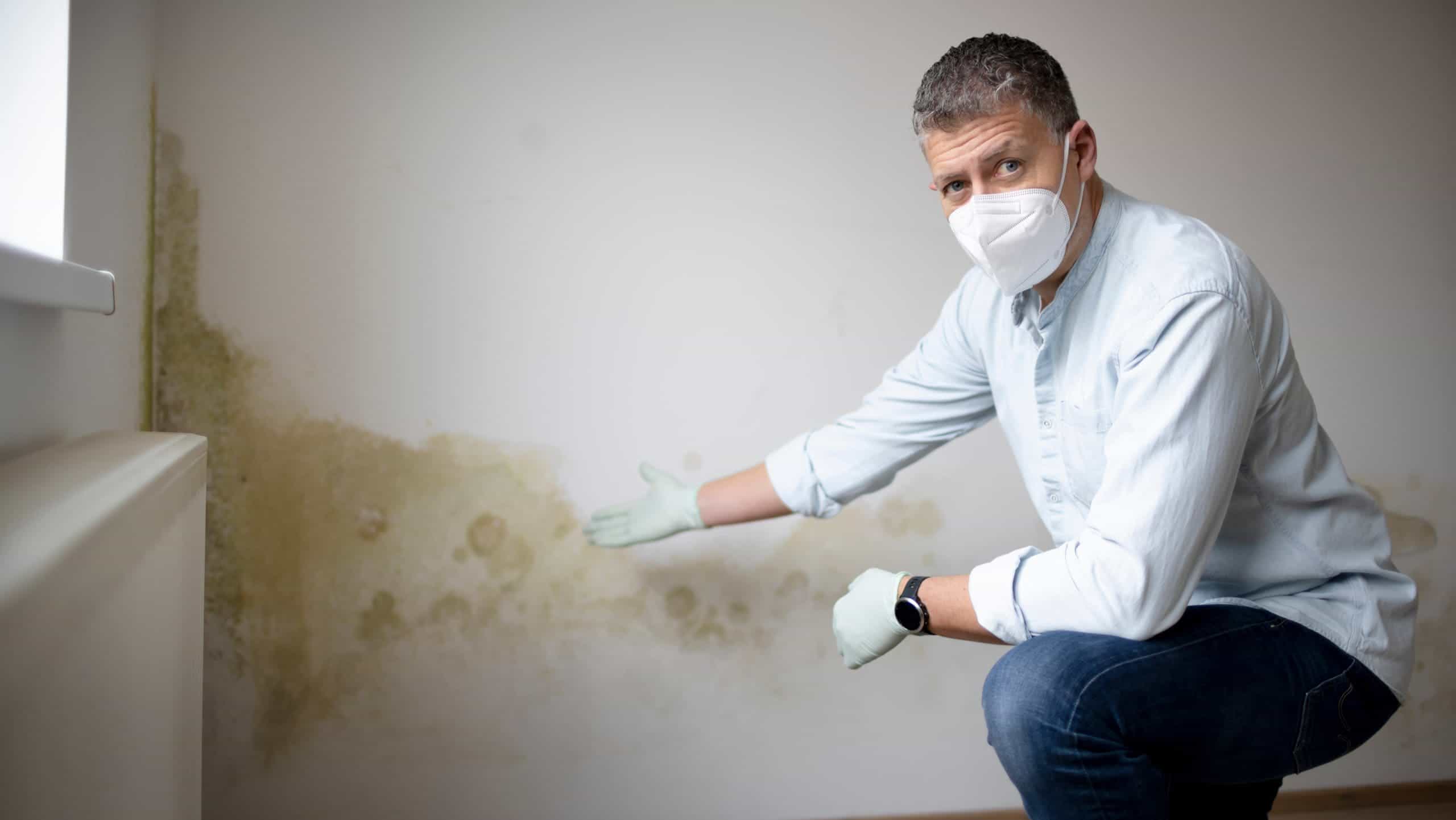
Saltpetre on walls: what should you do?
May 13, 2026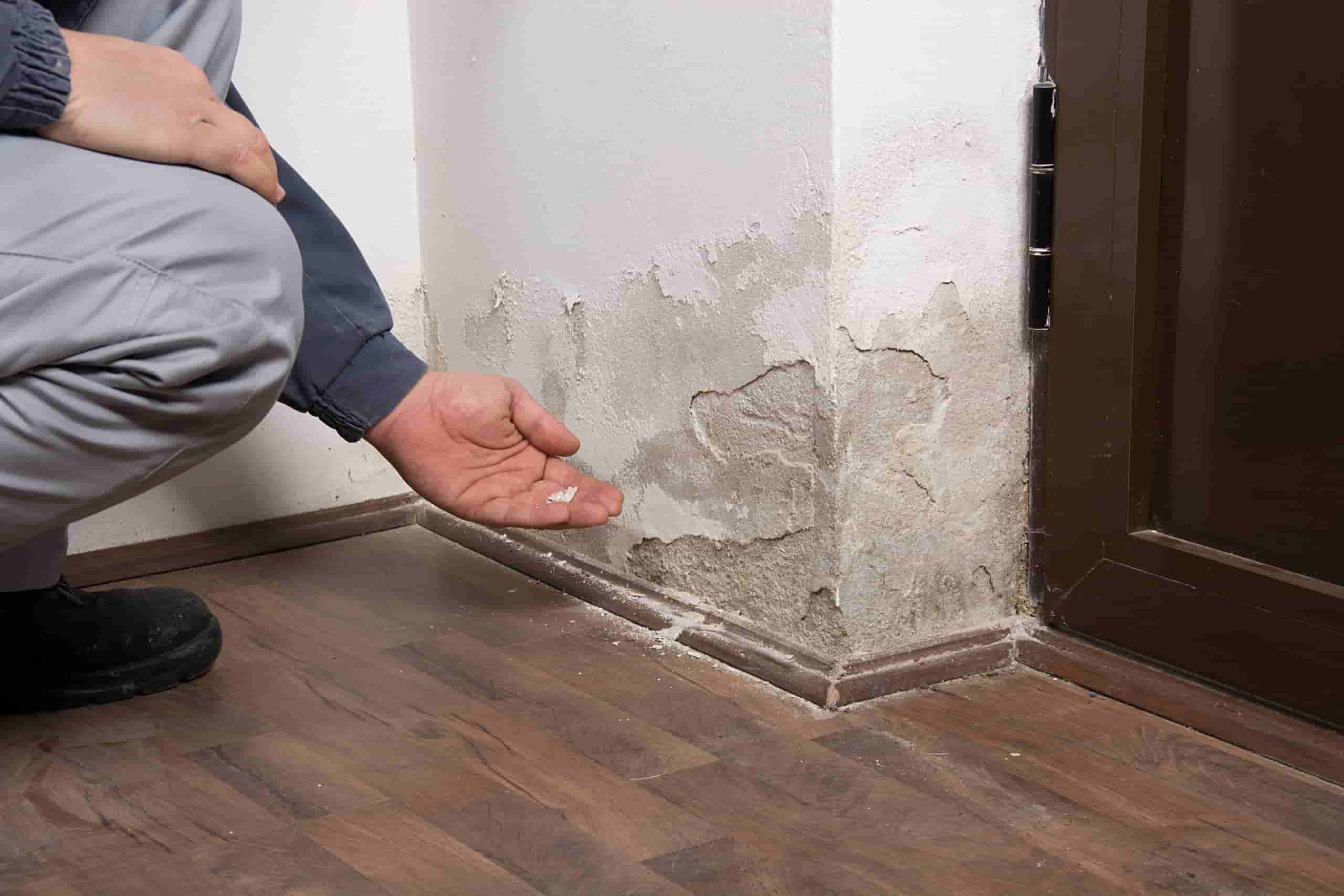
There is no universal drying time for a damp wall. First address the identified water source, then monitor the masonry. Thickness, materials, salts, coatings and indoor conditions mean that two walls can develop differently.
Create a comparable record
Keep dated overview and detail photographs. Identify measurement points, the method and the material. Record heating, ventilation, rain and changes to the wall. Air humidity is not the same measurement as moisture in masonry. Different materials or salts can affect a handheld meter’s readings.
The surface is not the whole wall
Surface appearance can change before the interior. White deposits may remain or return; reduced odour or a paler patch does not confirm full drying. Compare a sequence of observations. Investigate new or worsening patches for leaks and penetration instead of automatically attributing them to the original problem.
When can finishes be planned?
Assess the substrate and salt contamination before applying plaster or paint. Choose materials compatible with the existing wall. Following ATE or ATG installation, monitoring remains necessary: mounting and drying are separate stages. Record the model and position. Base the finishing schedule on the actual wall and coating requirements rather than a general deadline.
Technical reference on investigation and traditional buildings: Historic England. This source is not a test or endorsement of ATE/ATG devices.