Damp Garage: Causes and Effective Solutions
July 9, 2026
Damp and Health: Risks and How to Protect Yourself
July 9, 2026
A musty smell, condensation on the windows, walls cold to the touch: when you need to air out a damp room, you do not always know where to start. Yet the essentials rest on simple, free steps, to be combined depending on the room. Here is how to air out a damp room effectively and keep the air healthy over time.
Airing out, the first step for a damp room
Renewing the air is the basis. Throw the windows wide for 10 minutes morning and evening, even in winter: the drier outdoor air replaces the damp indoor air. After a shower or cooking, extend the airing to clear the vapour before it settles on the surfaces.
Ventilate and maintain the air vents
- check that the mechanical ventilation works and clean any clogged extraction vents;
- never block the air vents on windows or walls;
- leave a small gap under the doors so air moves between rooms;
- pull furniture away from cold walls to avoid dead, airless zones.
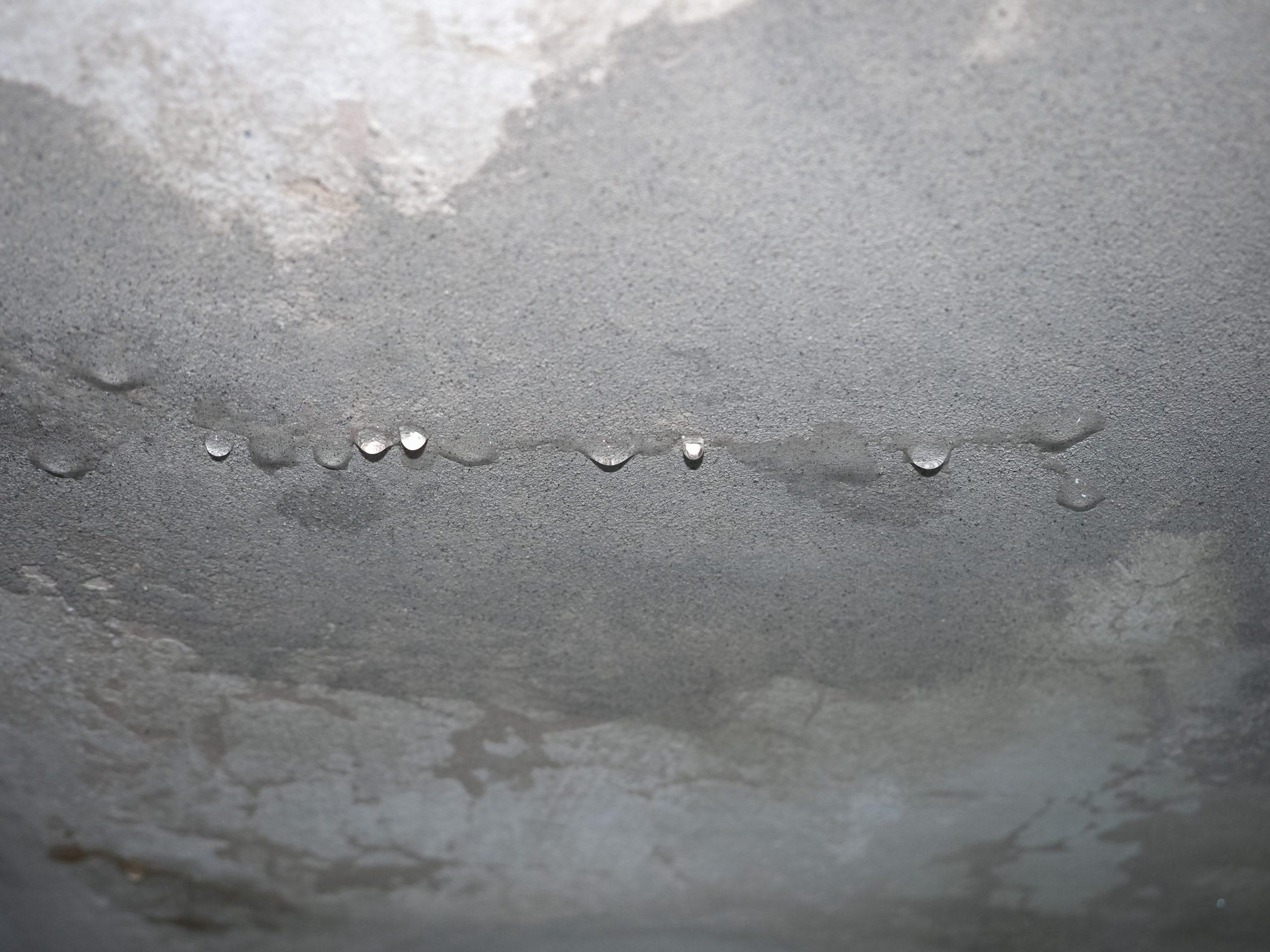
Cutting the water vapour you produce
The less vapour you release into the air, the easier it is to keep a damp room fresh day to day.
- dry laundry outdoors, or in a well-ventilated room;
- cover your pans and run the extractor hood while cooking;
- go for shorter, slightly less scalding showers;
- wipe the condensation and drops off the windows and cold walls.
Watching the humidity and cleaning mould
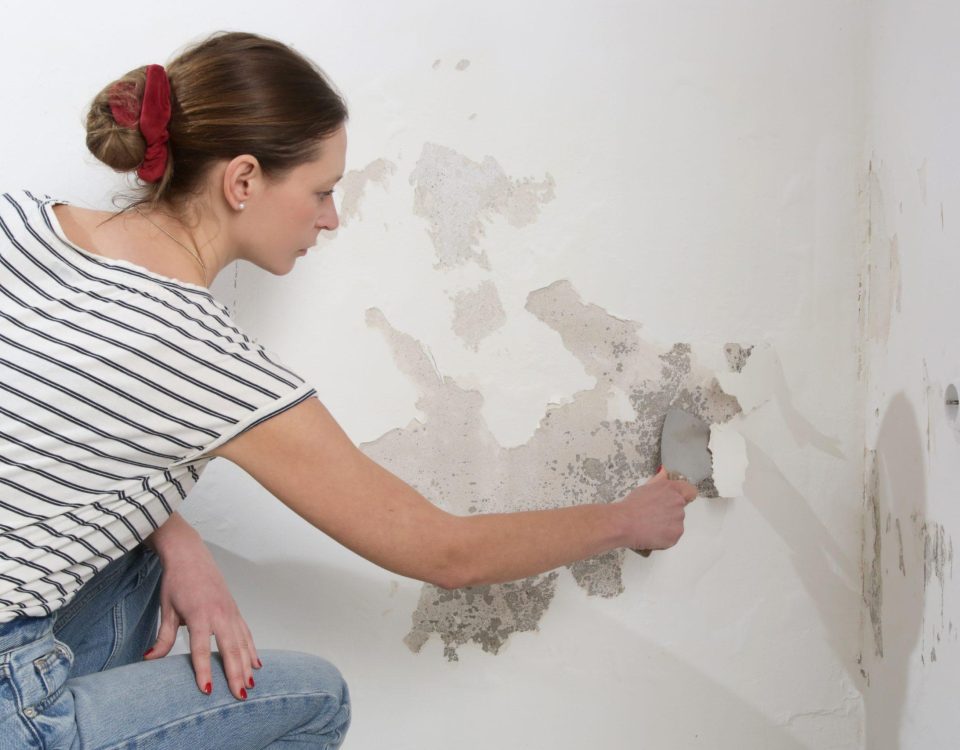
A small hygrometer lets you aim for an ideal humidity level between 40% and 60%. On recent surface mould, white vinegar diluted half and half with water comes in handy: test it in a corner first, wear gloves and a mask, open the window and never mix it with bleach.
When a damp room stays that way despite everything
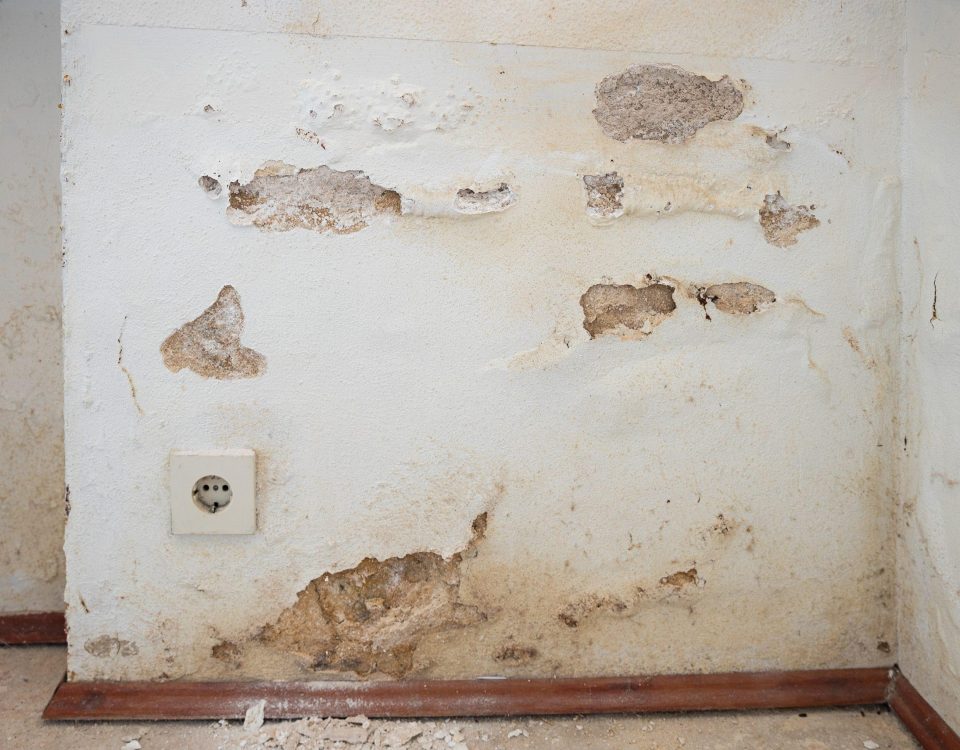
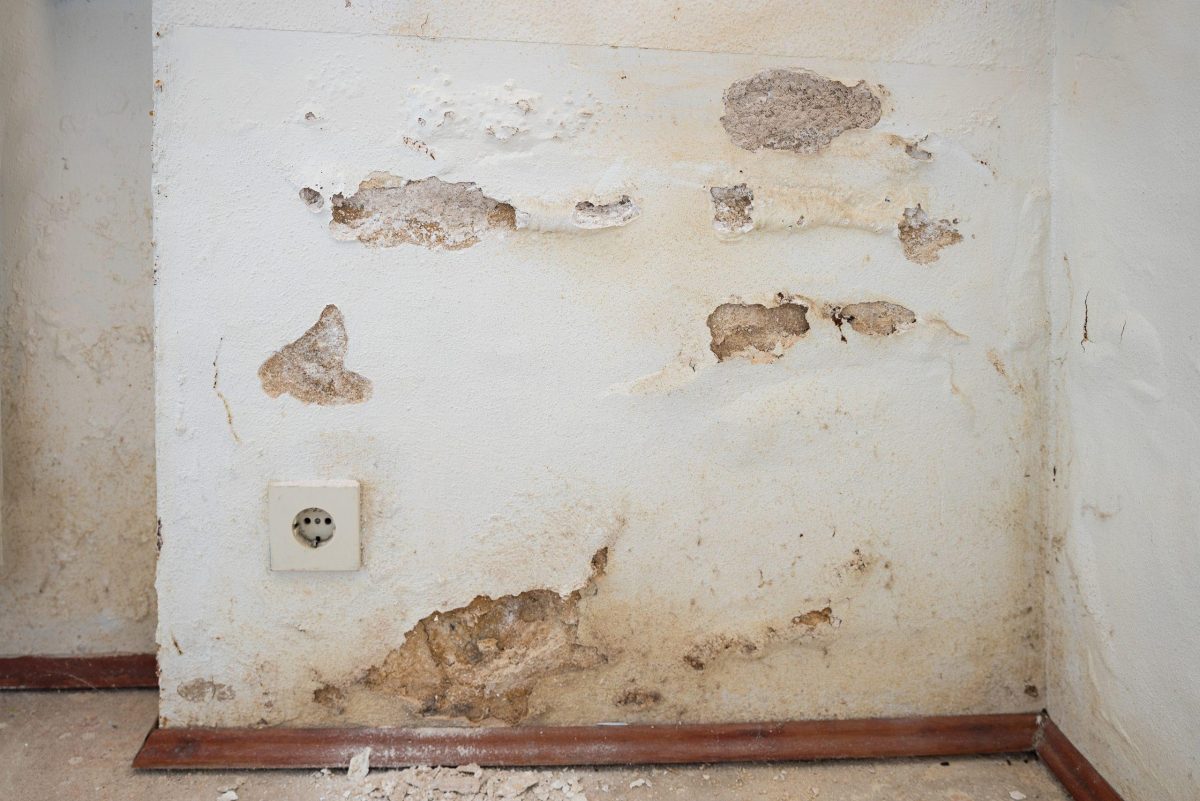
If the air stays heavy, look for the cause: a ventilation fault, an infiltration leak, condensation or rising damp. Some spaces need extra attention, such as a poorly ventilated damp garage. Treating the source is the only way to clear a damp room for good.
Heat sensibly and think room by room
Gentle, steady warmth limits condensation, because a cold wall attracts moisture from the air. A stable temperature throughout the home is better than freezing rooms next to overheated ones, where vapour drifts across and settles. Closing the doors of wet rooms during a shower or cooking also stops the vapour spreading everywhere.
Each space has its priorities. In the bathroom, air out after every shower and wipe the surfaces. In the kitchen, the extractor hood and pan lids do most of the work. In the bedroom, air out on waking to clear the night’s moisture. By putting the right step in the right place, the air turns healthy again with no special effort.
Frequently asked questions
How do you air out a damp room with no window?
Rely on mechanical ventilation: an extractor fan or ducted system clears the moisture. Leave the door ajar to create a draught and limit the vapour produced in the room.
Does white vinegar really freshen the air?
It helps clean small surface mould, but it does not dry the air. For a lasting result, you first need to reduce the moisture and ventilate the room well.