MEDIA · 2025
Forbes interview: meet a French company
William Coignard introduces the company and its background.
Watch on YouTube ↗Rising damp, condensation and penetrating damp: explore our advice to recognise the source of moisture and choose an approach suited to your building.
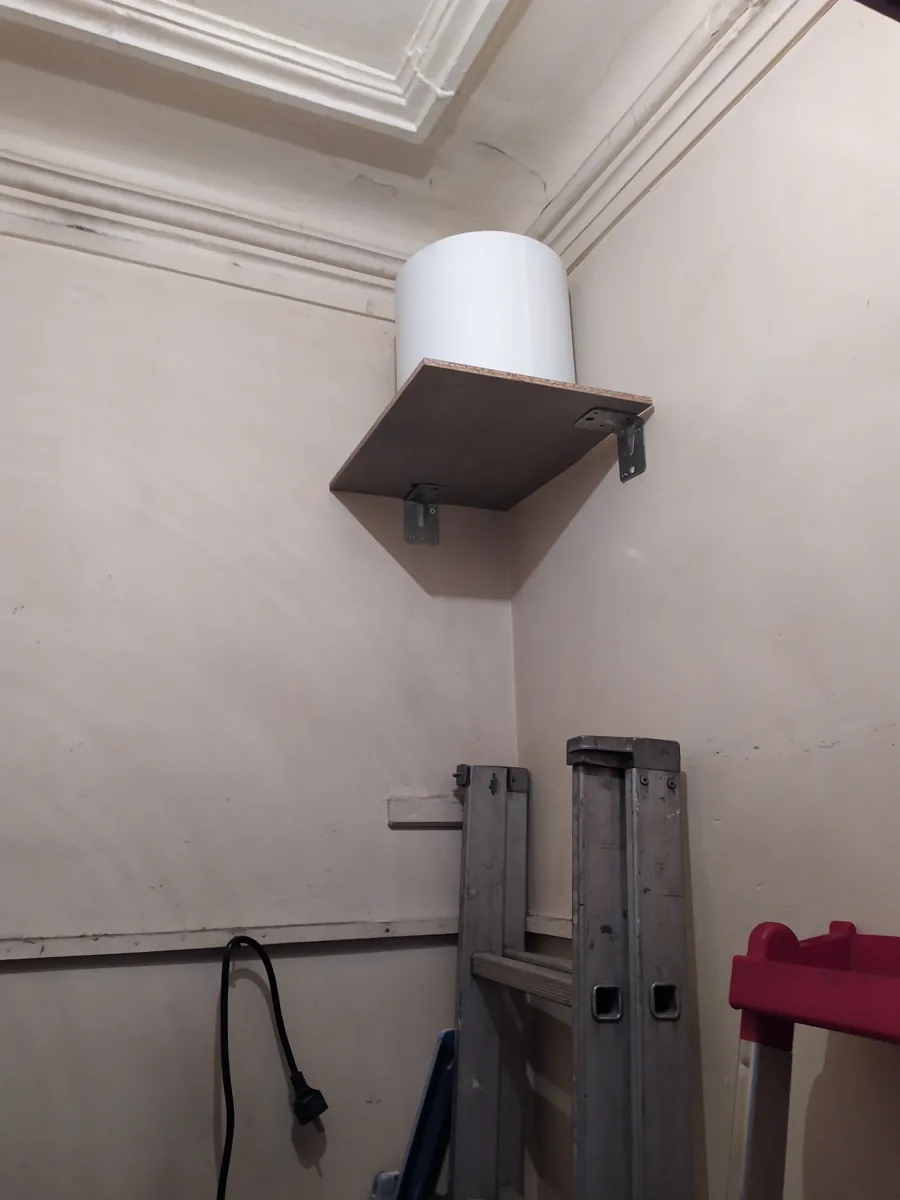
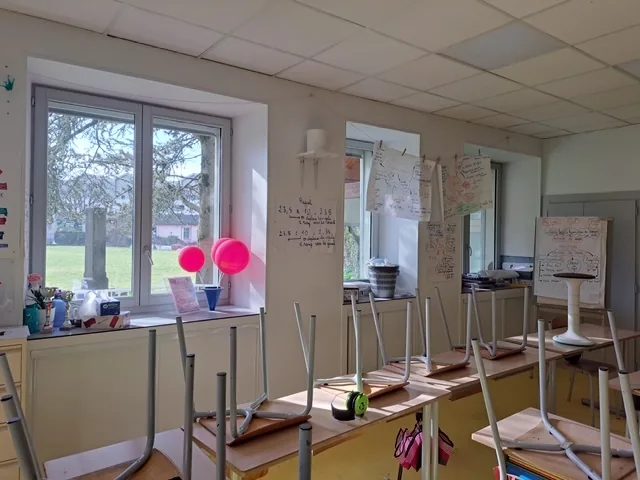
Discover ATE and ATG devices intended for rising damp and compare coverage diameters, installation manuals and placement requirements.
HUMIDISTOP ON VIDEO
Meet the company through its interviews and explore the ATE and ATG installation guides.
MEDIA · 2025
William Coignard introduces the company and its background.
Watch on YouTube ↗MEDIA · 2025
A discussion about French manufacturing and the development of Humidistop.
Watch on YouTube ↗MEDIA · 2025
An interview about damp walls and capillary rising damp.
Watch on YouTube ↗EXPERT EXPLANATION · 2024
A short explanation of the principle presented for walls affected by rising damp.
Watch on YouTube ↗INSTALLATION GUIDE · 2026
Installation guidance to read alongside the manual for your model.
Watch on YouTube ↗INSTALLATION GUIDE · 2026
The ATG installation steps; always check your model’s manual.
Watch on YouTube ↗Three questions to help you find your way, then articles to understand and choose.
Question 1 of 3
Your initial guidance
These three signs guide your investigation; they do not confirm a diagnosis on their own.
References, media, technical explanations, comparisons and installation examples: explore the articles below.
Selected guides on this subject · 12 articles
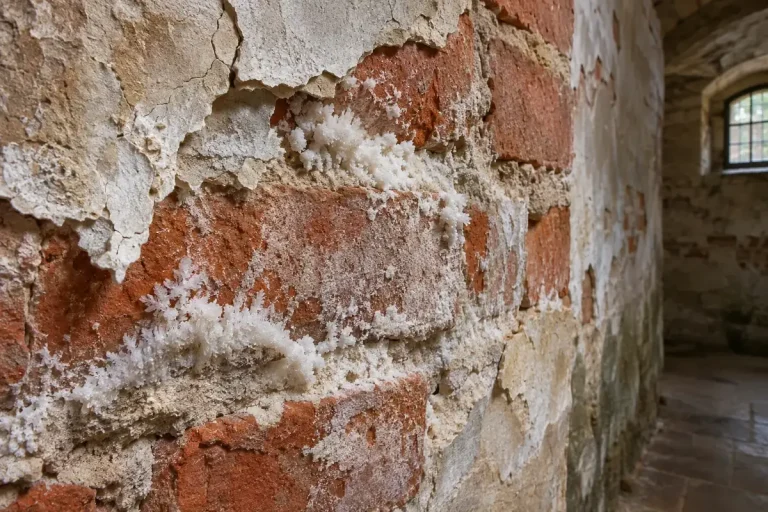
Visible salts deserve investigation. Removing them does not by itself stop incoming water, and a white appearance does not always identify their composition. Before choosing equipment, prepare a plan and dated photographs. Humidistop provides product pages and instructions…
Read the article →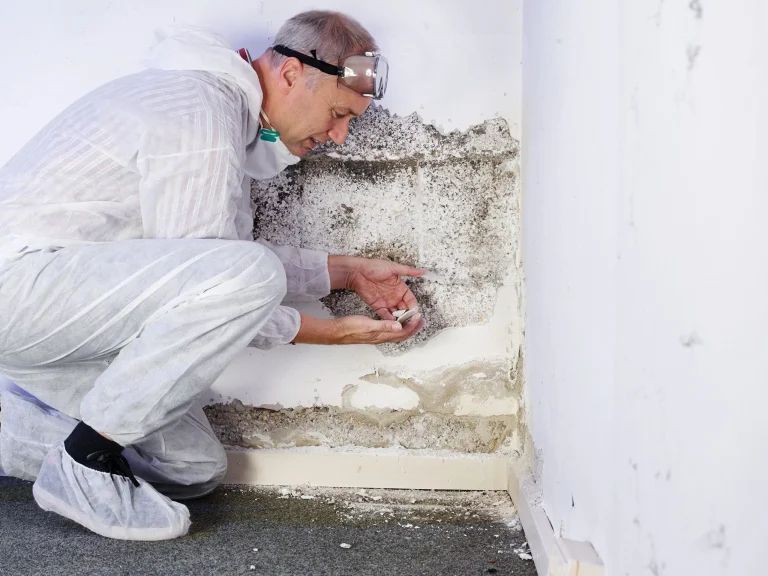
White powdery or crystalline deposits may be salts carried to the surface by moisture. “Saltpetre” is often used loosely. Appearance alone does not identify the salt or establish the water source. Look at the deposit and its surroundings…
Read the article →