Rising damp in an L-shaped house: planning ATE and ATG coverage
November 5, 2026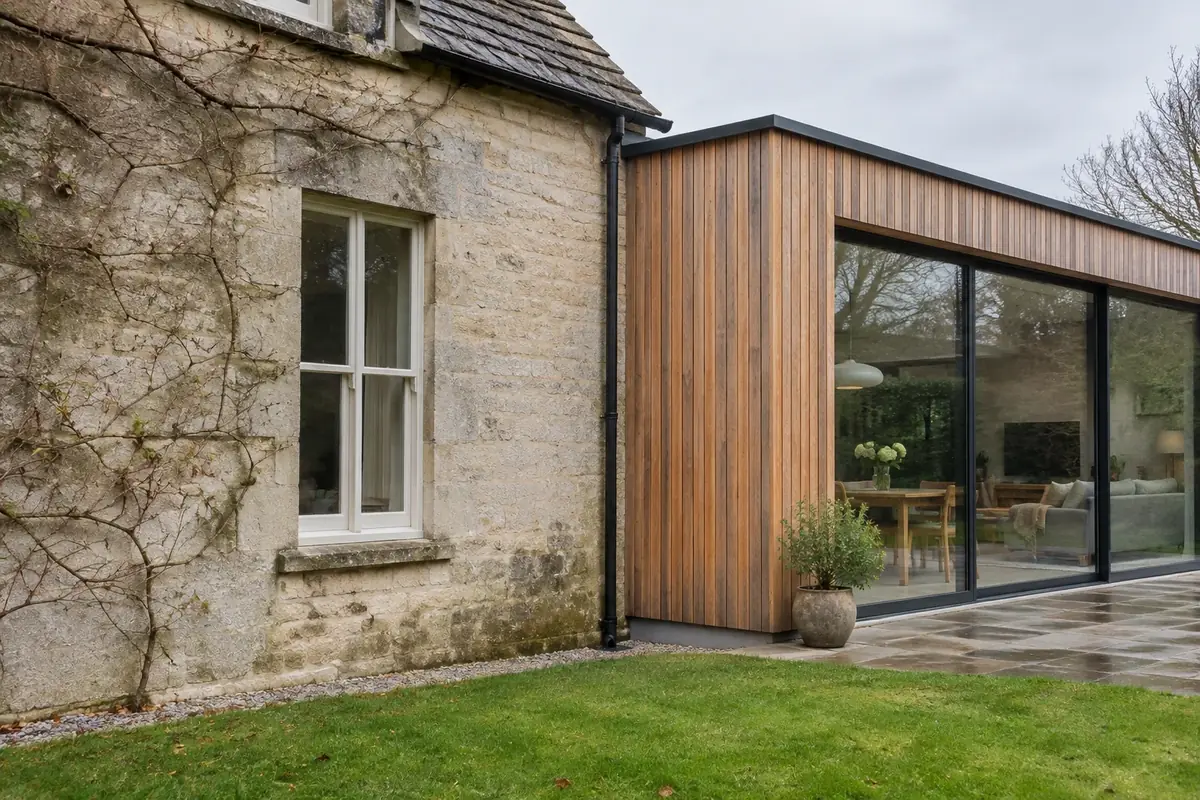
Rising damp in a house extension: choosing a device for the whole layout
November 5, 2026
Start with the complete model name
Buying an ATE or ATG device should begin with its full reference rather than the appearance of the casing. Read the product information for LC15, LC30, MAX or PULSE as appropriate. These labels are not interchangeable. The exact reference is the basis for comparing coverage, power requirements and installation instructions.
Connect the specification to your building
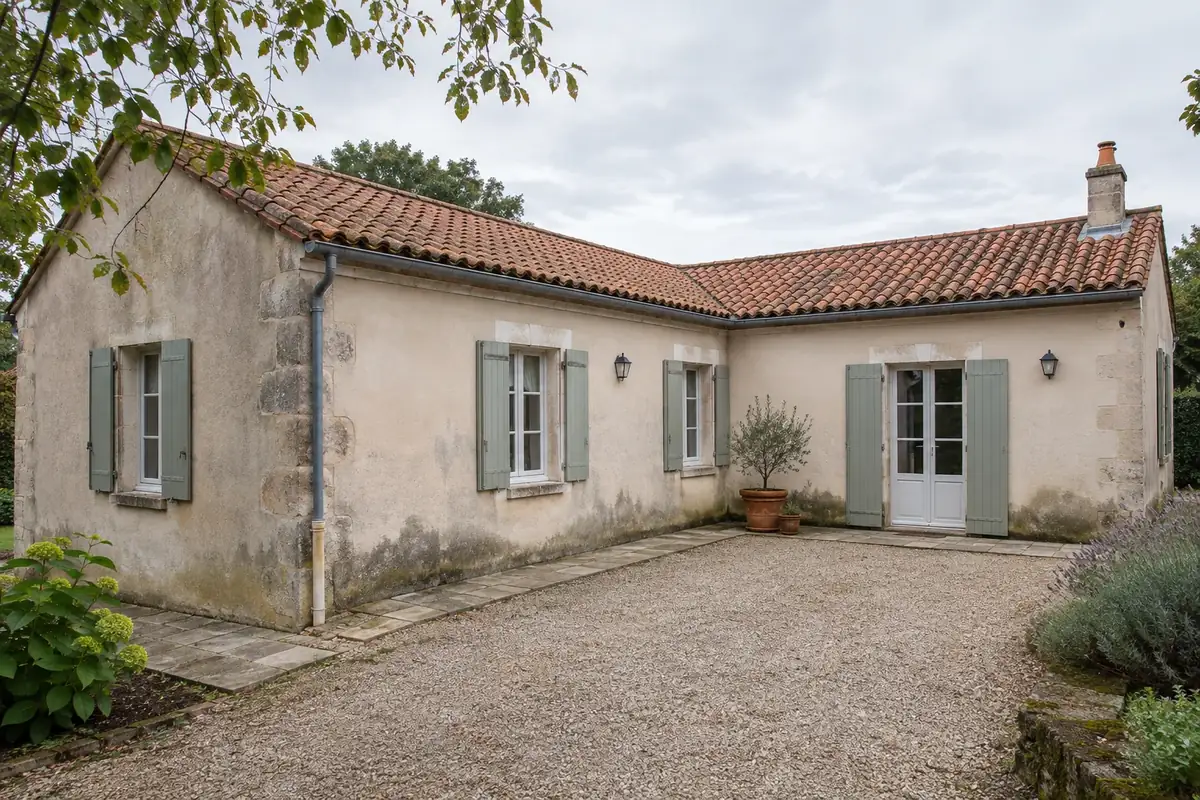
Prepare the main dimensions and a sketch of the walls affected by rising damp. A stated coverage diameter is not habitable floor area. Show distant rooms, additional floors and extensions. This helps you ask a focused question when more than one model appears possible, without relying on the number of rooms alone.
Check what the order includes
Read the listed accessories, delivery conditions and mounting information. Do not assume an installation service is included with the device. Compare offers with equivalent contents and consult the standard price independently of any temporary promotion. Keep the order information so that the supplied reference can be identified later.
Use the instructions for that reference
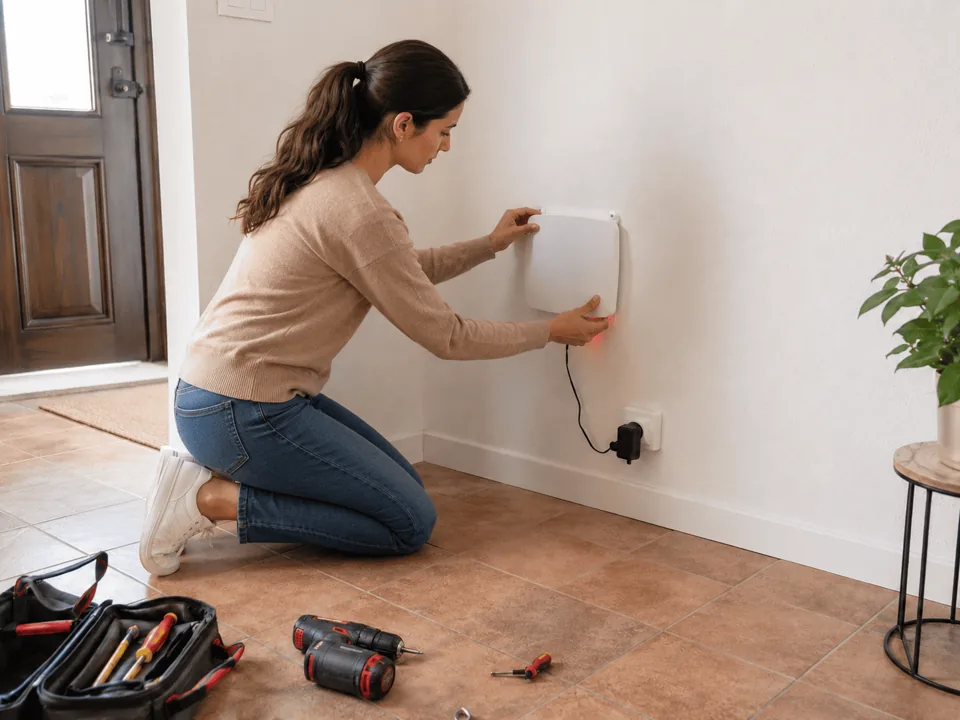
ATE devices require an electrical supply; ATG devices operate without one. Use the appropriate manual to prepare the support, position and any electrical connection. A video for another device is not a substitute for the supplied documentation. Humidistop can clarify a point before ordering or while you prepare installation.
Keep the purpose of the equipment clear
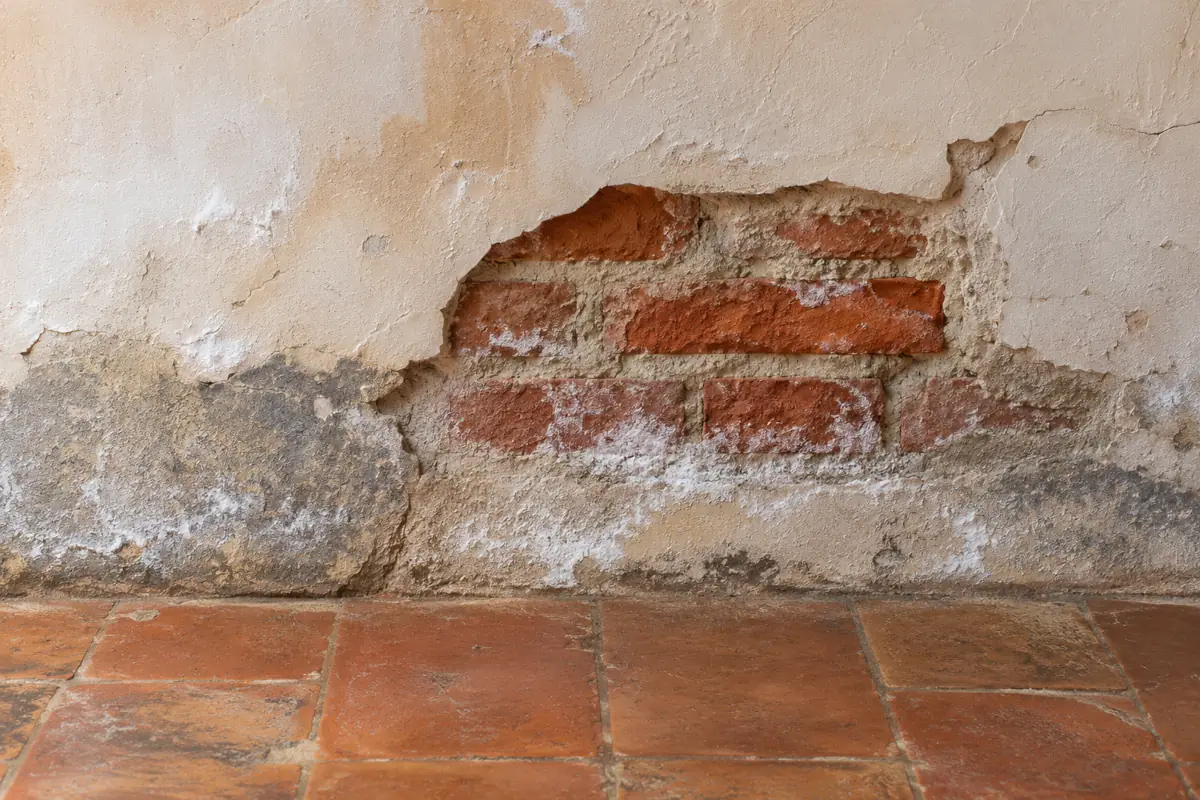
These ranges are intended for rising damp. They do not repair pipes or replace the necessary response to penetrating water or condensation. Drying materials and restoring damaged decoration are separate from delivery of the unit. A well-prepared order brings together an appropriate reference, accessible instructions and a clear understanding of the building project.