Since 2012: established references among local authorities and heritage clients
November 6, 2026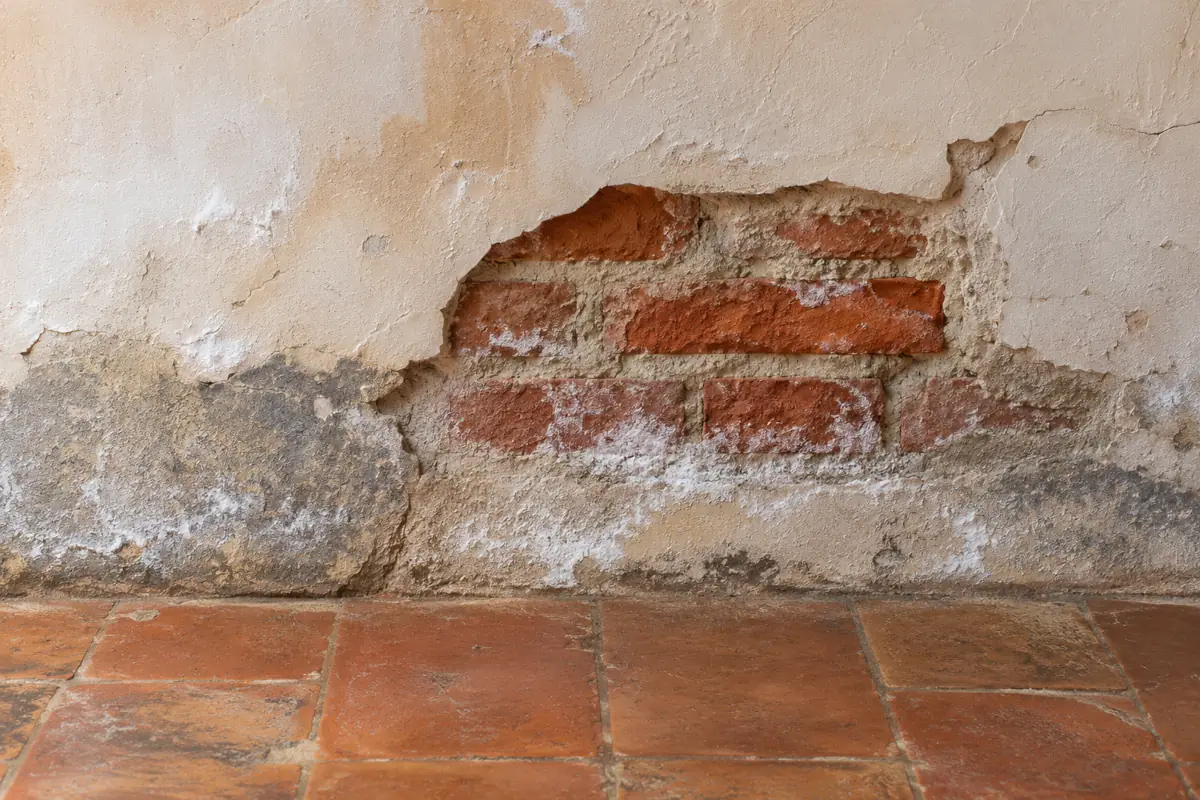
After installing ATE or ATG: monitor damp walls before replastering
November 11, 2026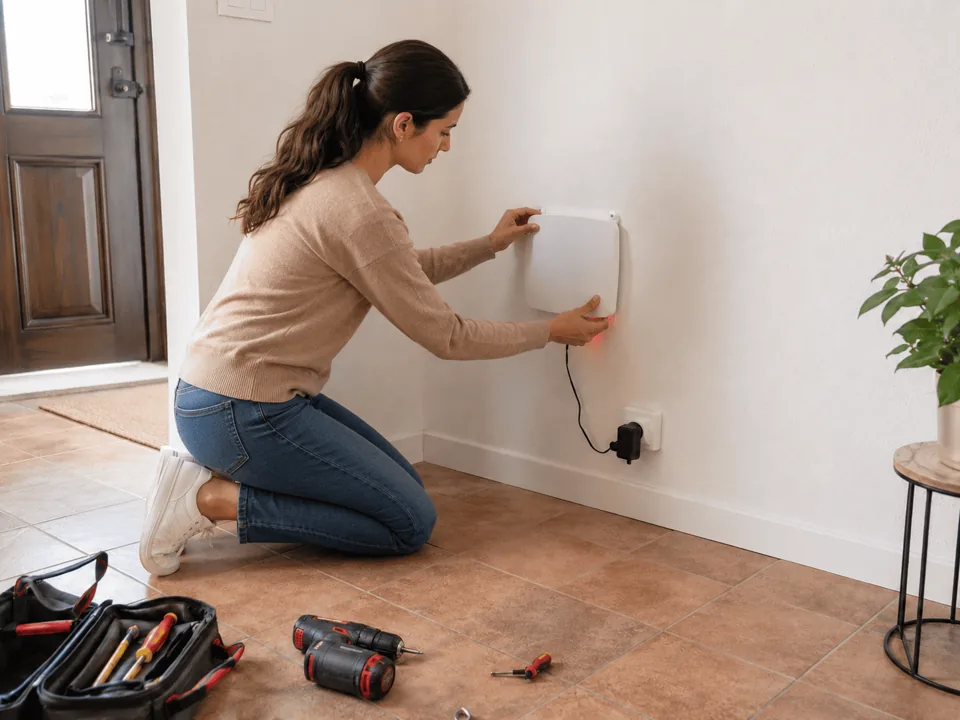
A dehumidifier may collect water while skirting boards, mortar joints or the base of a wall remain damp. That observation alone does not mean the machine is faulty: its tank mainly reflects moisture removed from the room air. Masonry supplied with water through rising damp raises a different question. Humidistop’s ATE and ATG wall-drying devices should be considered in relation to the identified moisture source, the building and the installation instructions.
What the water tank cannot tell you
Collected water can come from everyday indoor activities, exchanges with outdoor air and evaporation from materials. The amount varies with temperature, ventilation, occupancy and settings. A full tank cannot identify the route by which water enters a wall. Equally, collecting less water does not establish that the masonry has dried internally.
Indoor humidity, a plumbing leak, penetrating damp after rain and moisture rising from the ground must be distinguished. More than one source may be present. A mark at the base of a wall is worth recording, but is not sufficient evidence of rising damp on its own.
Understanding the phrase “wall dehumidifier”
People sometimes use this phrase when searching for a device installed in a building to assist the drying of masonry. It does not necessarily mean equipment that draws in air and fills a tank. In the Humidistop range, ATE refers to electromagnetic models connected to the mains; ATG refers to geomagnetic models that require no electrical connection. Product pages and manuals describe their intended use for rising damp, the stated coverage and the installation requirements.
These devices are therefore not selected by comparing litres collected per day. Preparation involves the layout of the building, the affected walls and information about the moisture source. An active leak or rainwater entry needs an appropriate investigation and repair.
Prepare useful information before comparing models
Photograph the affected walls at different heights, identify the rooms and mark their dimensions on a simple plan. Explain whether the marks change after rain, during the heating season or near pipework. Mention recent plastering, wall linings and finishes that conceal the masonry.
Include the location of a socket if you are considering ATE, and check the distances from a proposed device position to the affected areas. A coverage diameter must not be converted automatically into a guaranteed floor area for every building layout.
Monitor the wall as well as the indoor conditions
Keep dated photographs and use the same reference points for comparisons. Record changes to heating and ventilation, which can alter the appearance of surfaces. Materials, wall thickness, salts and finishes influence how a wall evolves; a photograph cannot establish one reliable drying time for every property.
A surface that looks cleaner is not a substitute for investigating continued water entry. If a particular area deteriorates after rainfall or close to a pipe, that evidence should be checked rather than attributed automatically to rising damp.
Explore the ATE and ATG devices and their specifications, then send your plan and observations to the Humidistop team. The aim is to choose a suitable model and position based on the building, rather than buying another appliance without understanding why its walls remain damp.