Water infiltration: why a device is not enough
May 13, 2026
Wall drying time: what should you expect?
May 13, 2026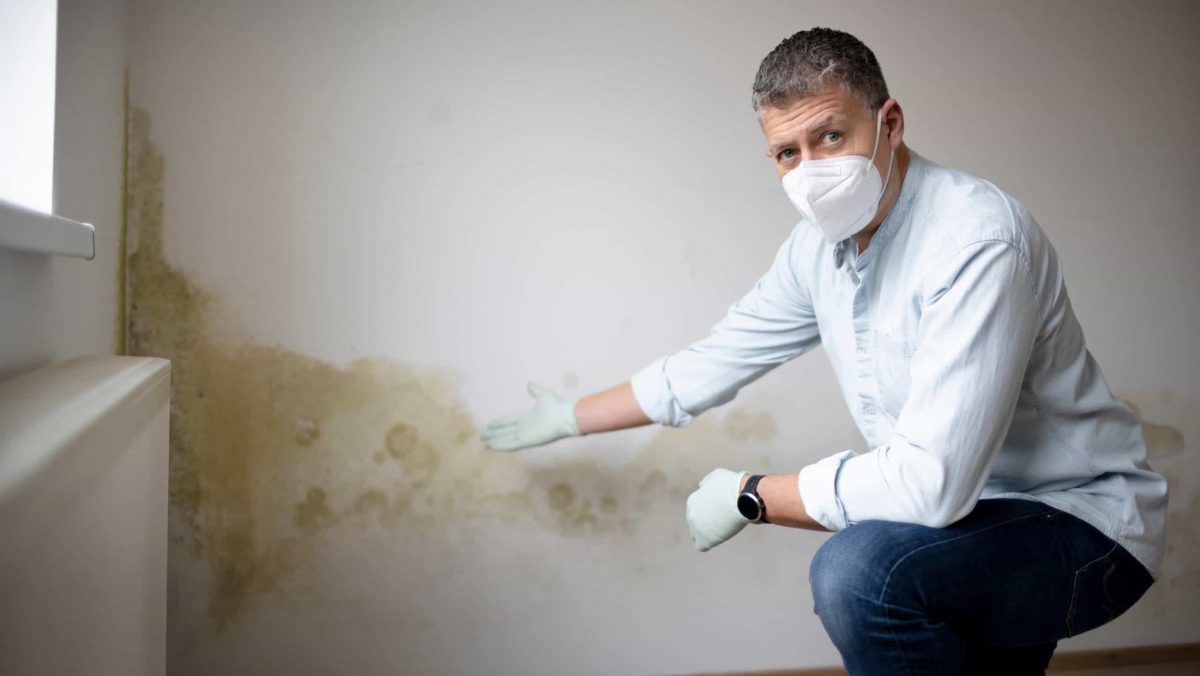
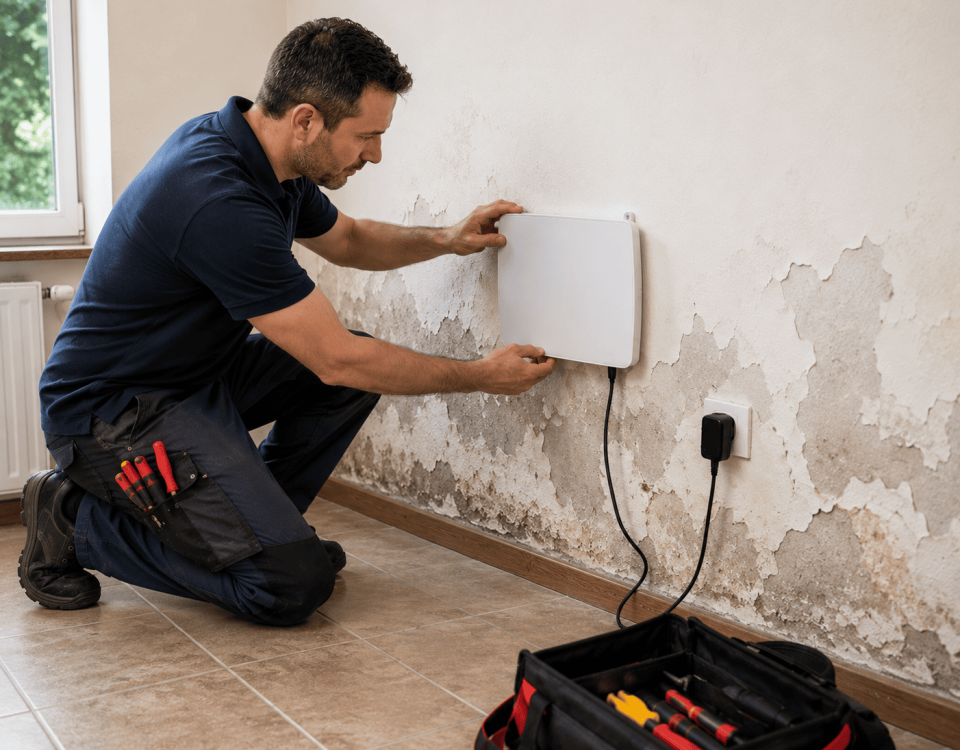
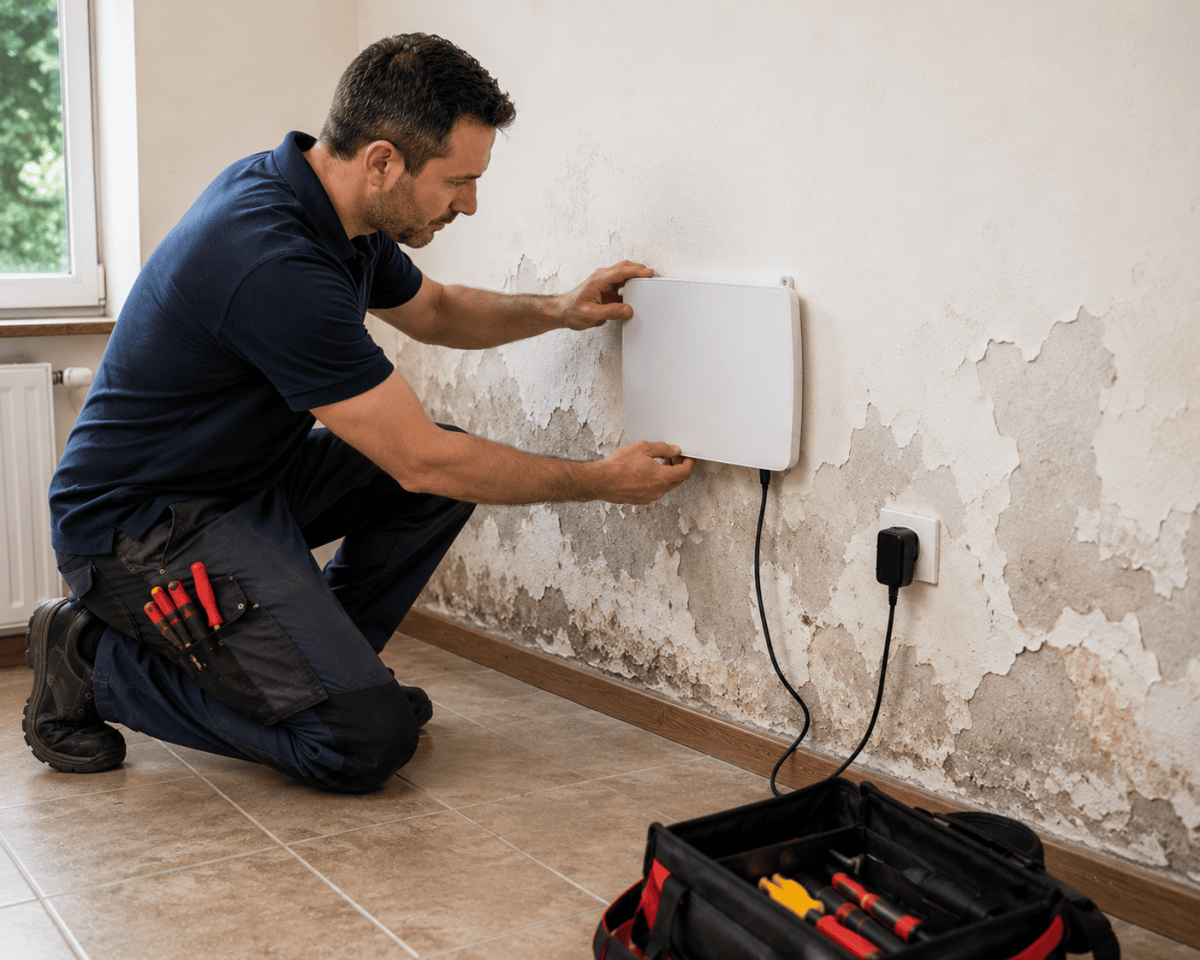
ATE placement matters a lot. However, you should not expect an instant result when the wall needs progressive drying.
Where to install an ATE anti-damp device
Choosing a damp load-bearing wall and a low position prevents many mistakes. In addition, observation should include stain position, surface condition and ventilation.
What to check before acting
Drywall, partitions and lining walls are not correct supports. Therefore, a leak, infiltration, flooding or condensation alone requires a different action first.
A safer choice
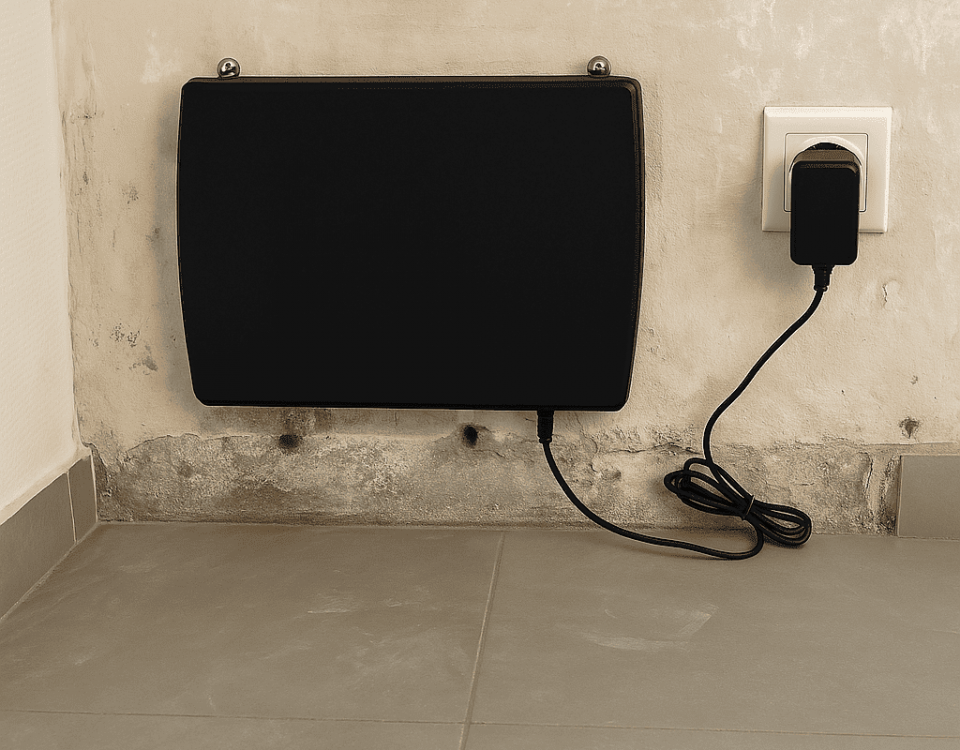
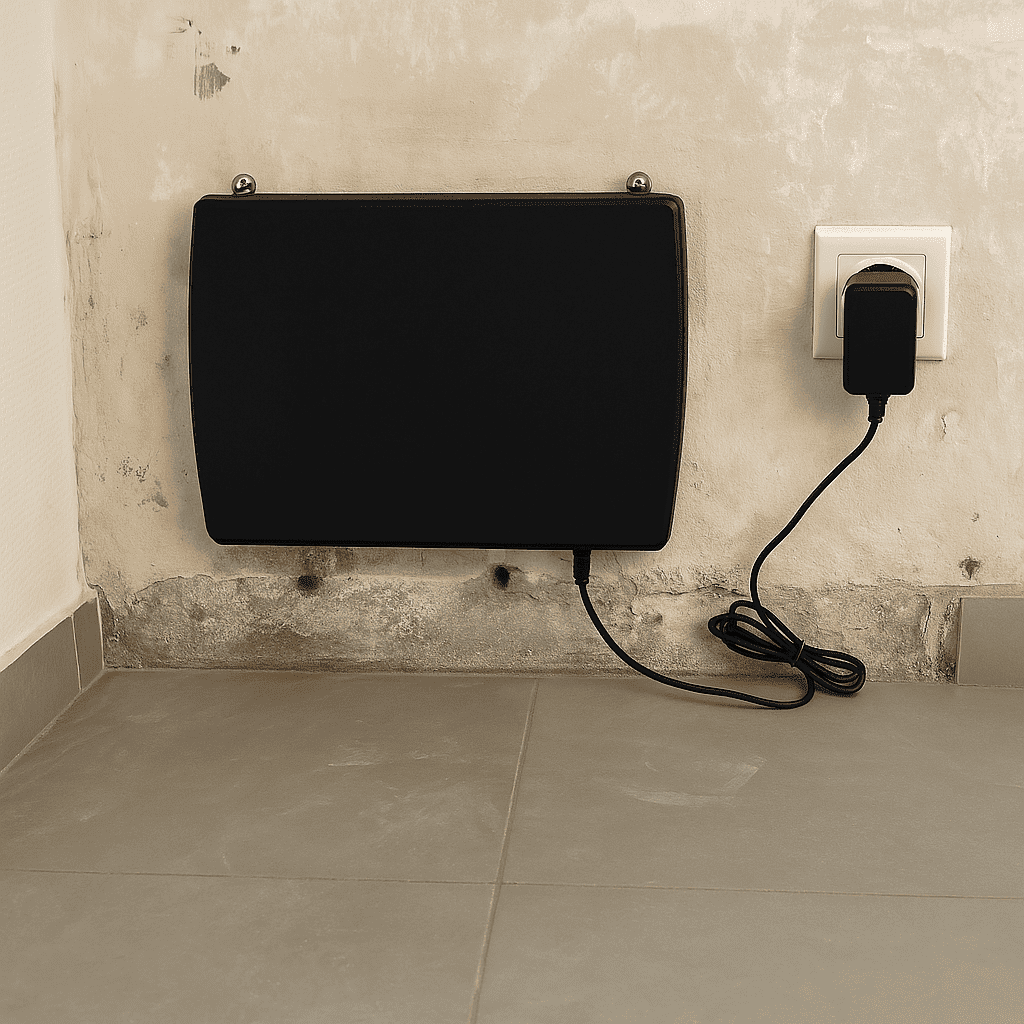
ATE is electromagnetic and must be placed low on a damp load-bearing wall. ATG is geomagnetic and works without electricity. However, the choice remains coherent only when the symptoms match rising damp.
Limits to understand
Humidistop sells online and provides clear information to guide the choice. Finally, realistic expectations help monitor wall improvement without confusing the causes.
Good practices to support the solution
In addition, keep regular ventilation and avoid blocking walls with coatings that are too closed. Then monitor the marks for several weeks, because a damp wall changes slowly. For example, less odour, a wall that feels less cold and stains that become more stable may indicate improvement. However, if water enters directly through a crack, a terrace, a pipe or a buried area, you should correct that water entry first.
What to remember before buying
Therefore, the right choice always depends on the probable cause and the building layout. ATE should be prioritised when you have a damp load-bearing wall accessible at the lower part and a power socket nearby. On the other hand, ATG may suit cases where installing a plugged-in ATE remains difficult. Finally, Humidistop sells its devices online and provides a clear choice guide to direct customers toward the most coherent model.