Damp treatment devices: distinguish room air from wall masonry
October 24, 2026
Damp after renovation: which changes should you check first?
October 24, 2026
A small house can be long and narrow, while a larger one can be compact. Habitable floor area alone does not describe the layout that needs to be considered.
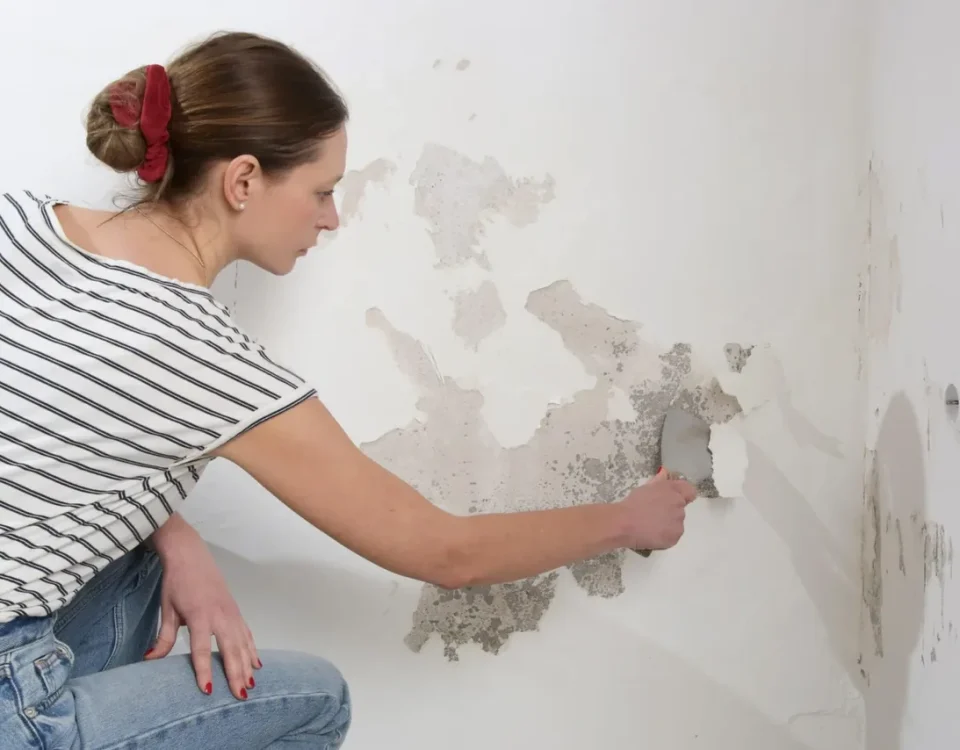
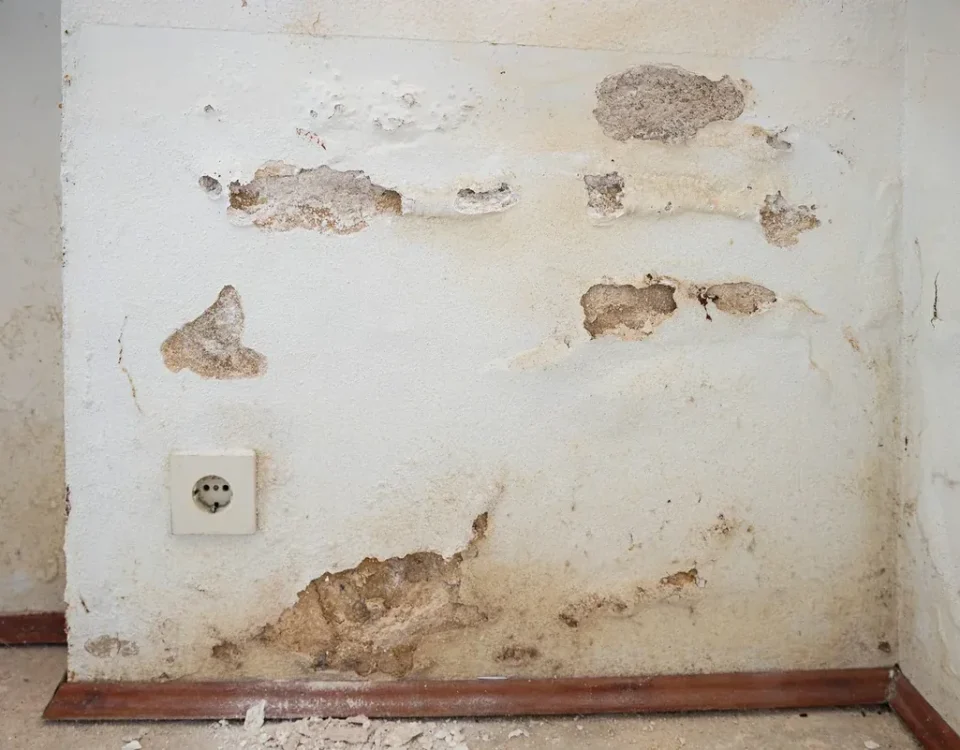
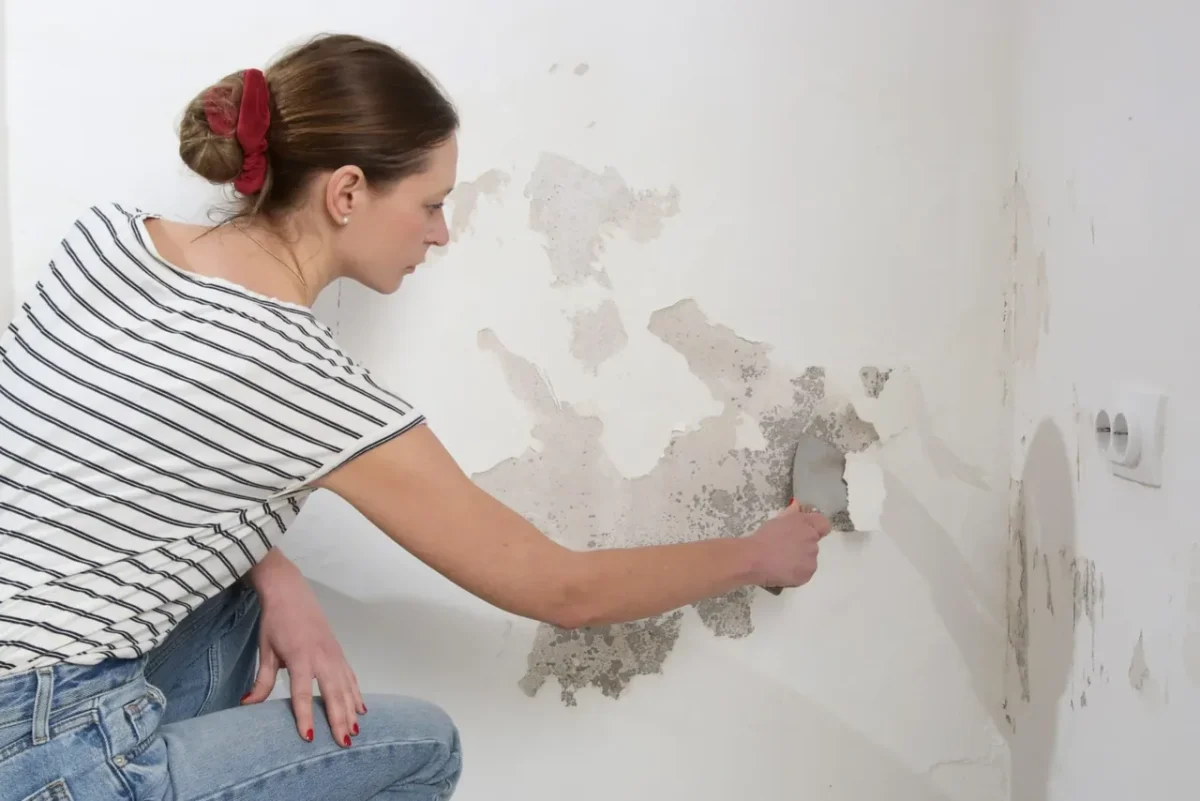
Before choosing equipment, prepare a plan and dated photographs. Humidistop provides product pages and instructions so you can examine the reference and positioning before purchase. If the moisture cause remains uncertain, clarify it before deciding on treatment and identify any independent repairs still needed.
Draw the actual building
Show dimensions, internal walls, extensions and separate volumes. Distinguish affected areas from other rooms and note the levels. Add the proposed device position according to the instructions. Do not add diameters together as though they were guaranteed floor areas, or assume the geometric centre is always the correct place. A remote outbuilding or unusual layout deserves a specific discussion before purchase.
Choose without blindly oversizing
Consult the ATE and ATG pages for coverage and conditions. Power matters too: ATE uses the mains and ATG works without electricity. Include ATE LC30 PULSE in the range comparison where relevant. A larger model does not resolve an uncertain moisture diagnosis. Clarify the mechanism first, then ask for an explanation of the model recommended from your plan. Coverage diameter should not be confused with square metres.
Before you decide
- Document the walls and possible water sources.
- Check the model and installation instructions.
- Separate fitting, monitoring and reinstatement of finishes.
A practical question
Should you always buy the largest model?
The recommendation should follow the layout and instructions, not an arbitrary margin added to the floor area.
Compare our wall drying devices
The range includes mains-powered ATE LC15, ATE LC30, ATE LC30 PULSE and ATE MAX, alongside ATG LC15 and ATG LC30 without electricity. The devices are manufactured in Castres, France. Compare the diameter with the building layout and follow the instructions. The manufacturer’s 10-year warranty applies under its conditions. The device does not replace independent interventions on leaks, penetrating water or ventilation.
ATE LC15 · ATE LC30 · ATE LC30 PULSE · ATE MAX · ATG LC15 · ATG LC30