Painting a damp wall: mistakes to avoid
May 13, 2026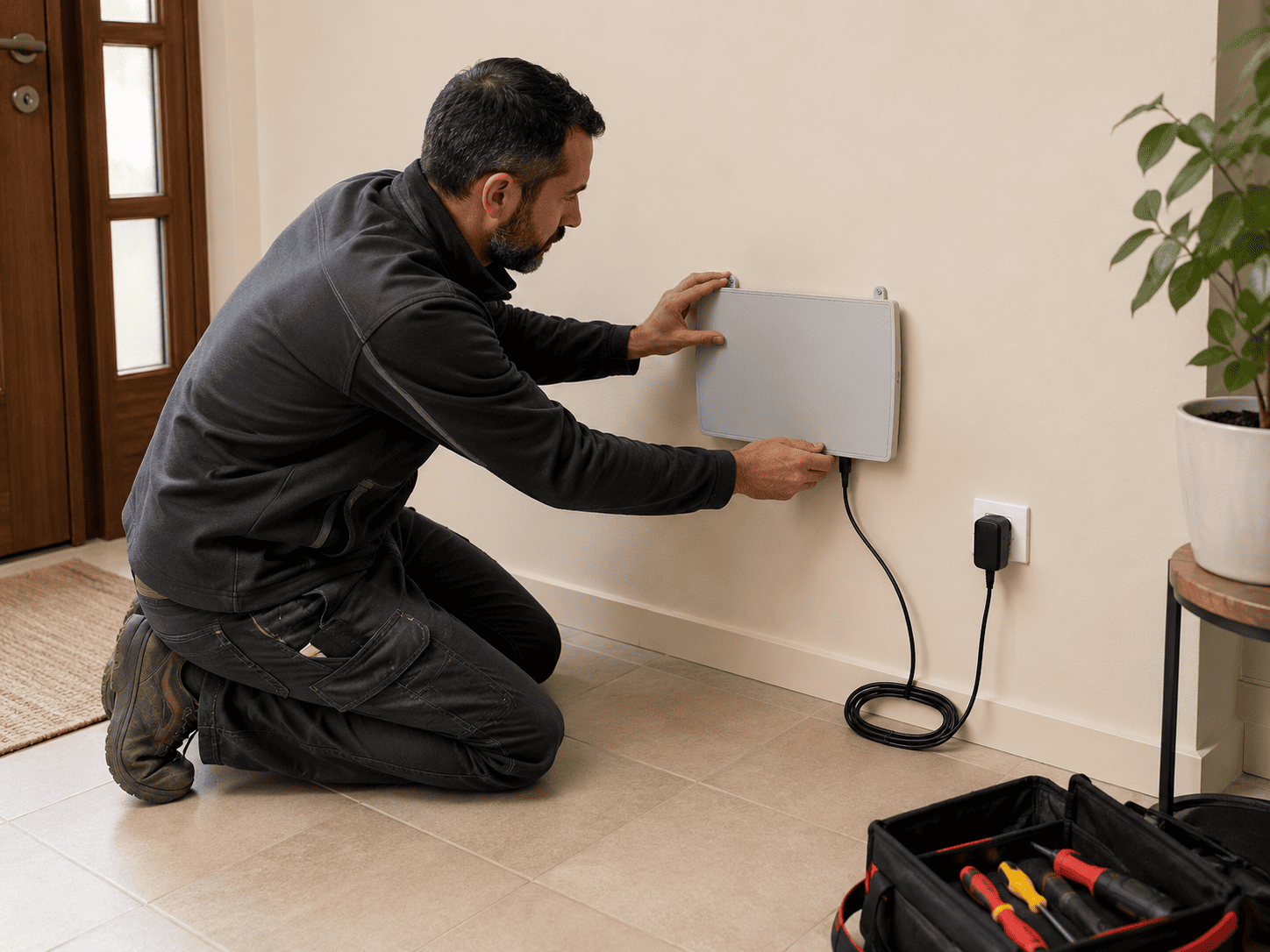
ATE: electromagnetic anti-damp device for damp walls and rising damp
May 28, 2026
The right Humidistop model is not determined by floor area alone. Check the moisture source and prepare a dimensioned plan showing affected walls and possible mounting points. Use this information to compare power supply, installation and coverage.
Gather useful information
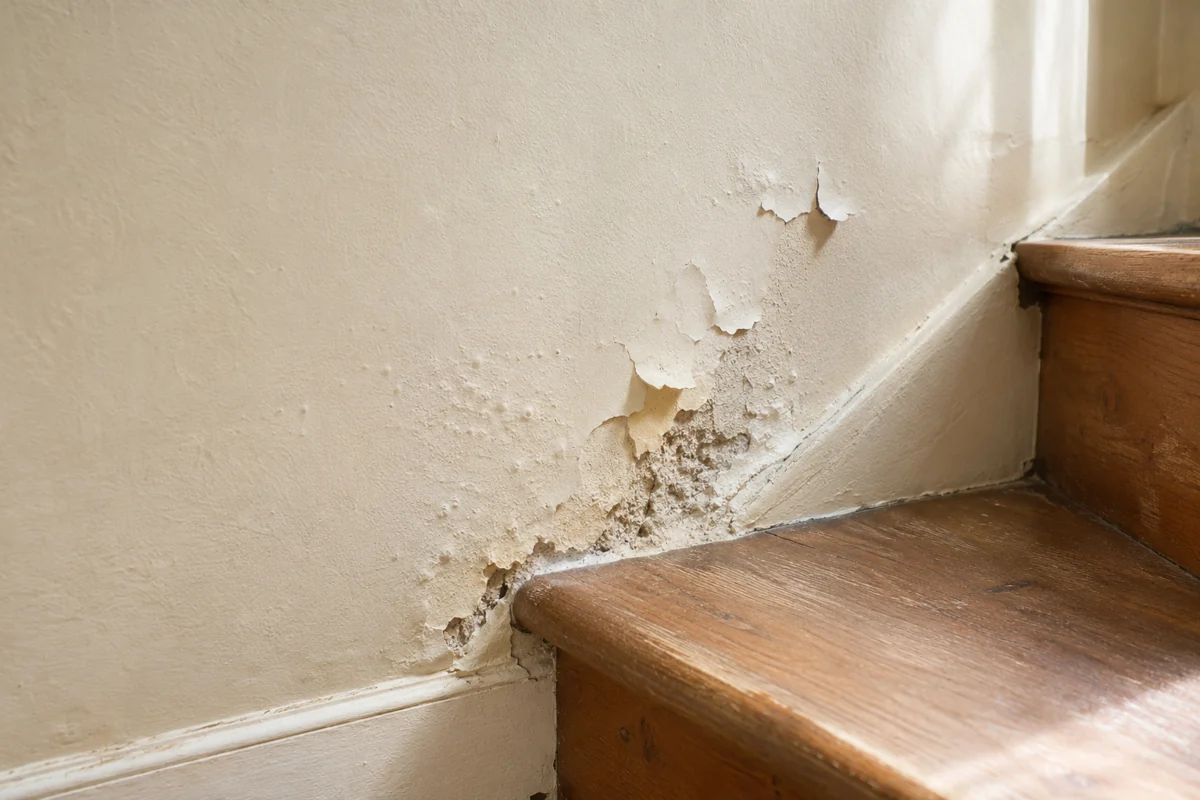
Send overview photographs inside and outside, a plan with dimensions and a description of the walls. Note when marks appear and repairs already completed. Include known leaks and rainfall-related changes. Advice from photographs can help with product selection but cannot always establish an unclear building defect.
Check installation requirements first
ATE uses electromagnetic technology with permanent power. Humidistop recommends this range first where a suitable damp load-bearing wall is available. ATG is geomagnetic and works without an electrical connection. It may be an option if ATE requirements cannot be met, subject to its own manual.
Compare the model on the plan
Stated ATE diameters are 15 m for LC15, 30 m for LC30 and Pulse, and 60 m for MAX. Measure from the actual position to affected areas. More coverage does not guarantee faster drying. Then check the current reference, manual, delivery and warranty terms in the shop. Keep your plan and initial record to monitor the walls after purchase.
Explore the models
ATE LC15 · ATE LC30 · ATE Pulse · ATE MAX · ATG LC15 · ATG LC30
Check the specifications and installation requirements for your chosen reference before ordering.