Rising damp injection or an anti-damp device?
July 1, 2026
Damp treatment scam: how to avoid it and pay a fair price
July 1, 2026A rising damp treatment without building work is possible today, without drilling your walls or injecting any chemical product. When moisture climbs up from the ground and damages the bottom of the walls, there is a simple solution to install that dries your home gradually. Here is how to recognise the problem, then treat it at its root.
Recognising rising damp
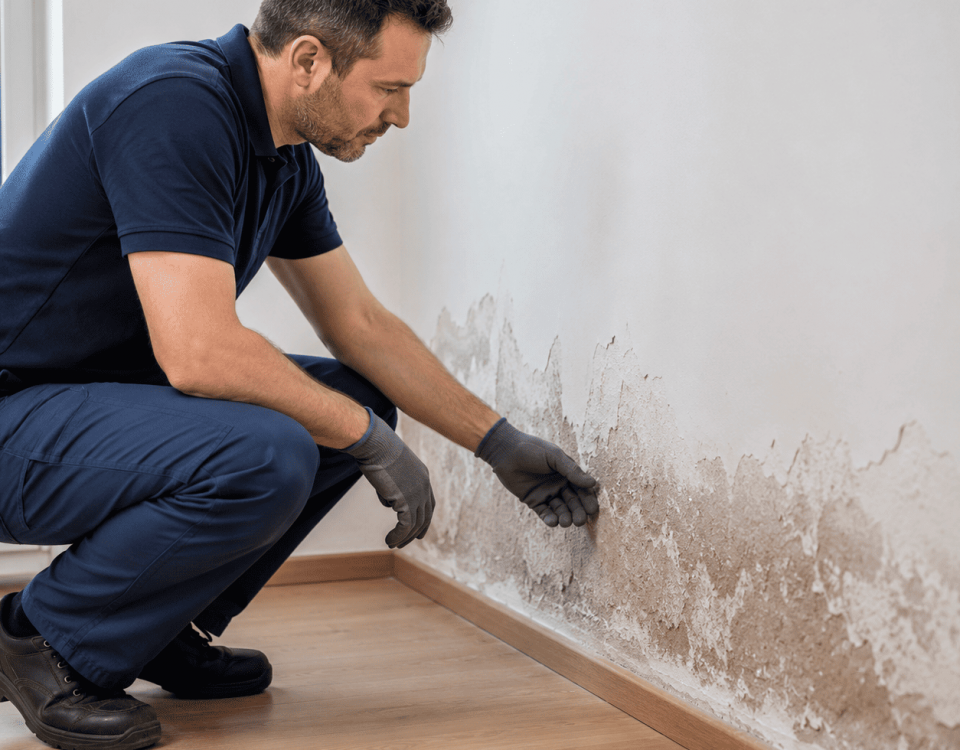
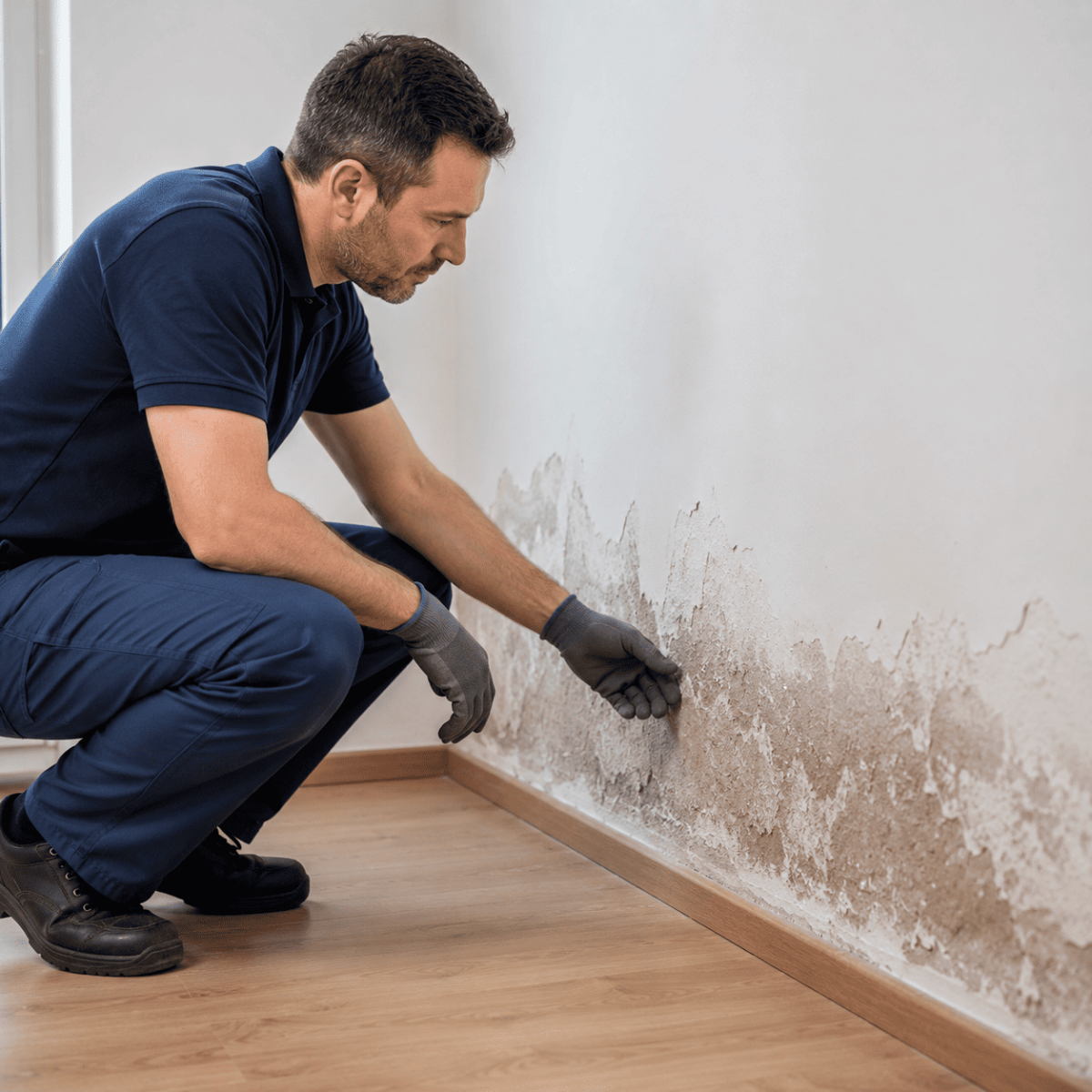
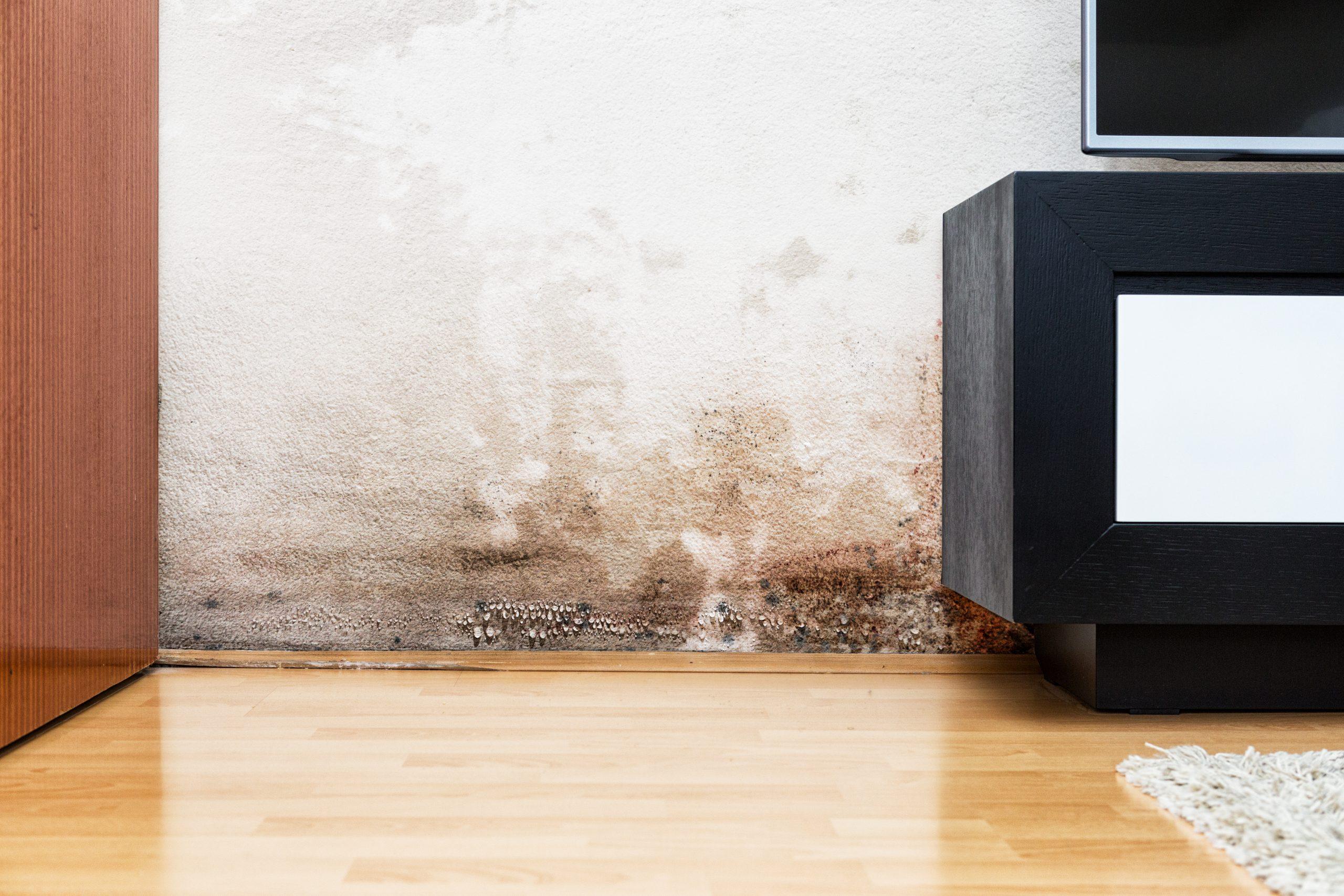
Rising damp mainly affects older houses, whose walls have no waterproof barrier at the base. Water from the ground then climbs up the masonry and leaves fairly recognisable signs.
- walls that are damp low down, often to a regular height;
- stains, tide marks or salt deposits in the form of a white residue;
- blistering render, skirting boards coming away and flaking paint;
- a smell of damp that keeps coming back despite airing the rooms.
In most cases, it is the load bearing walls in contact with the ground that are the most affected.
Why surface treatments are not enough
Repainting a damp wall, applying a waterproof render or hiding the area behind a stud lining does not fix the cause. On the contrary, these solutions often block the wall’s natural evaporation and push the problem a little higher up. For a lasting result, you have to act on the migration of water, not only on the visible surface.
The rising damp treatment without building work, how it works
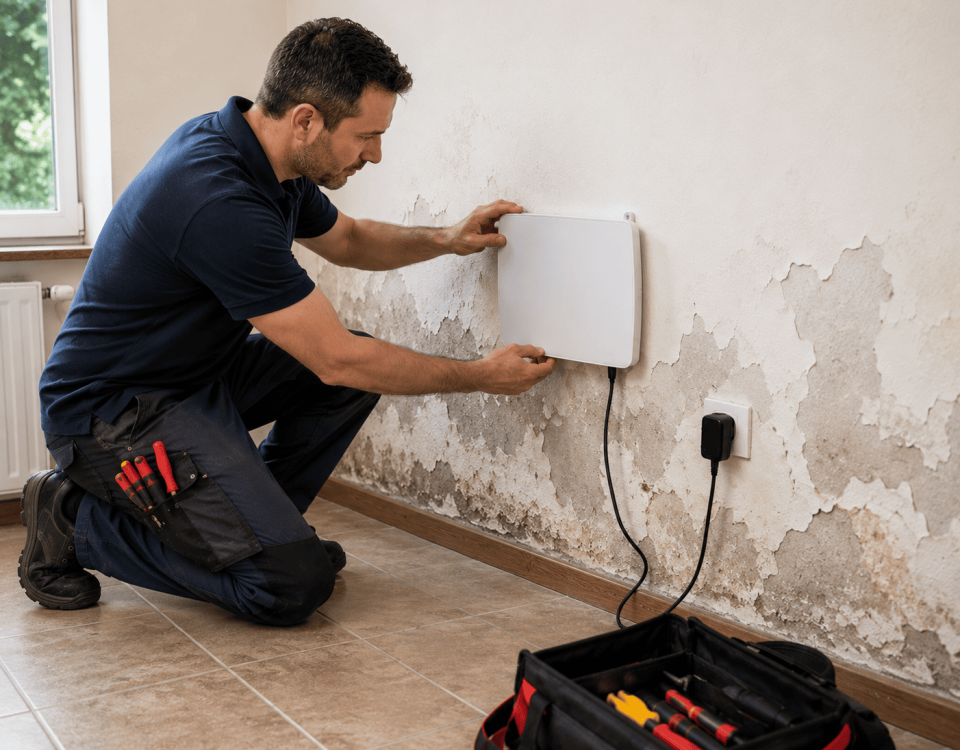
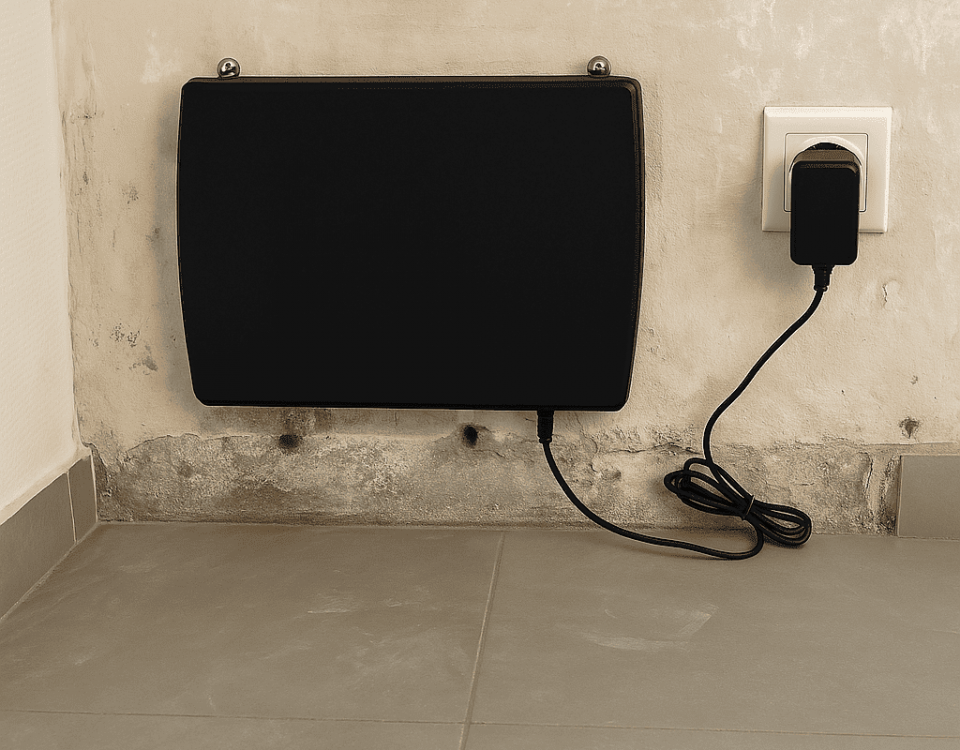
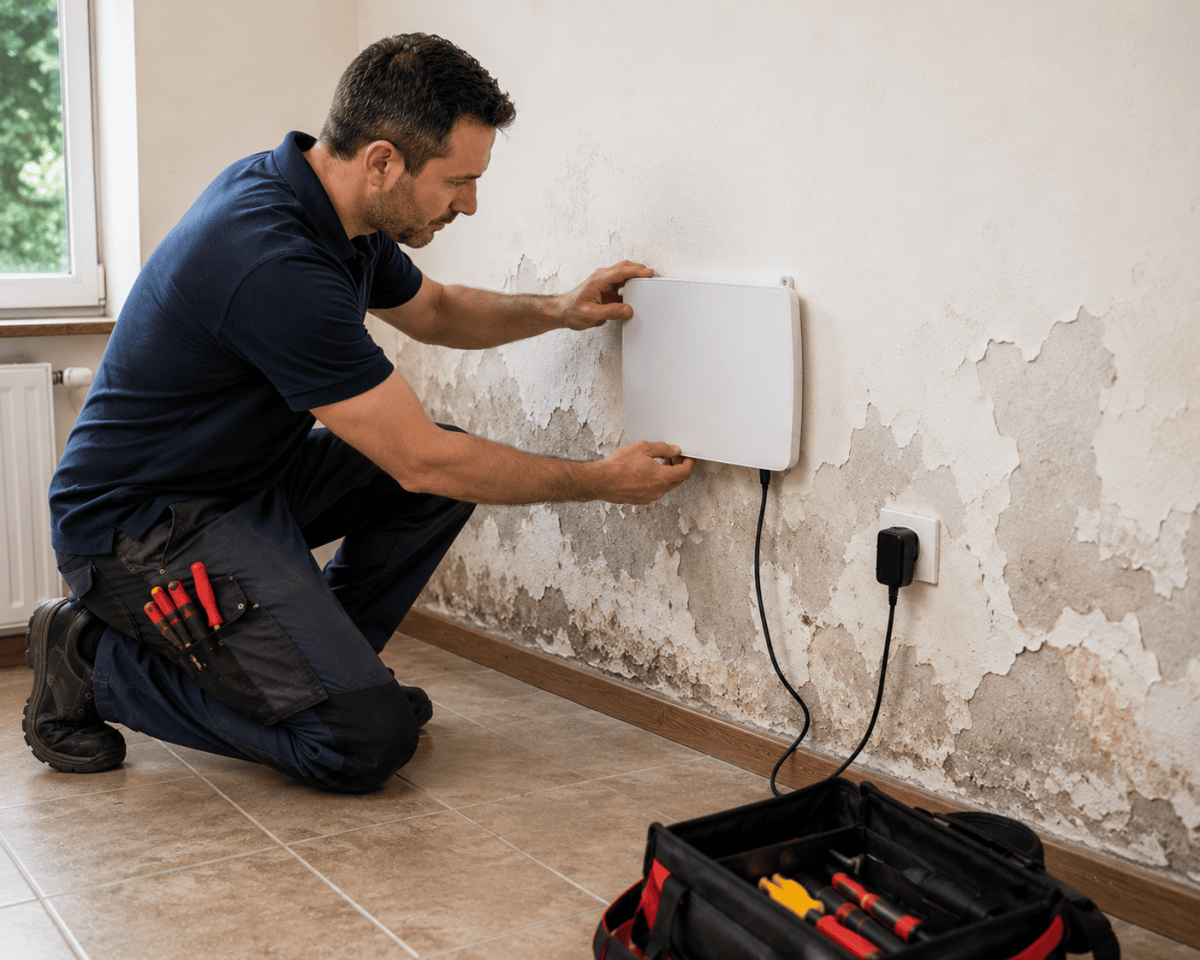
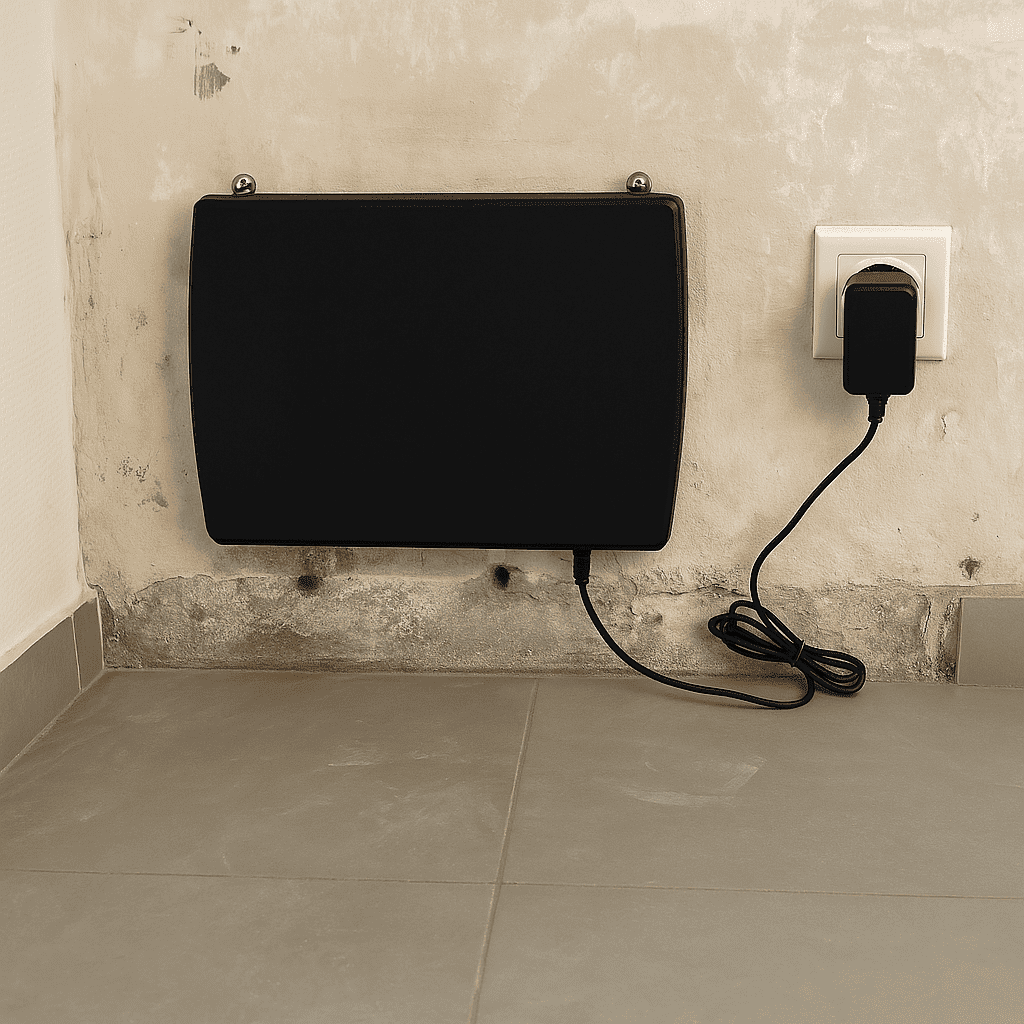
The rising damp treatment without building work relies on a device that is fitted at the bottom of the wall, with no drilling and no site works. At Humidistop, the ATE polarity inverters run on mains power thanks to electromagnetic technology, while the ATG models work without electricity thanks to geomagnetic technology.
These devices act on the polarity of water molecules in order to limit the capillary rise inside the masonry. The wall then dries naturally, at its own pace. It is a non invasive approach, designed for older buildings as well as more recent constructions.
Where to install the device for a good result
To be effective, the device must be placed on a damp load bearing wall, low down, directly on the masonry. It should not be fixed to plasterboard, a counter wall or a simple insulating lining, because the field needs to spread through the wall concerned. Following the instructions remains the key to a steady drying.
How long to dry the walls
Drying is gradual. A wall that has been damp for years does not dry in a few days. Depending on the thickness of the walls, the materials and the level of moisture, an improvement is generally seen between 18 and 24 months, provided the installation recommendations are respected.
During this period, it is better to avoid blocking coatings such as waterproof paints or cement renders, and to favour breathable materials such as lime.
Frequently asked questions about the no-works treatment
Is a rising damp treatment without building work really effective?
On clearly identified rising damp, the device supports the drying of the wall with no site works. It does not, however, treat an infiltration, a leak or a ventilation fault, which require a different intervention. A proper diagnosis therefore remains essential before you start.
Do you have to leave the house during installation?
No. The device plugs into a simple earthed socket, with no rubble and no major work. The home stays liveable during and after the installation.
Drying your walls, without drilling
If you are looking for a rising damp treatment without building work, the ATE and ATG devices are a simple and non invasive solution. Discover the models in our online shop, learn more about the phenomenon of rising damp, or send us a few photos through the contact page for advice suited to your case.