Damp in a Wardrobe: What to Do About It
July 9, 2026
Ideal Humidity Level in a House: the Right Range
July 9, 2026
A dehumidifier can genuinely help you get back to healthier air when a room stays too damp. You still need to set it up and adjust it correctly, otherwise it runs a lot for little result. Here is how to use a dehumidifier day to day, where to place it and which habits to adopt so it works well without pushing up your bill.
What is a dehumidifier for?
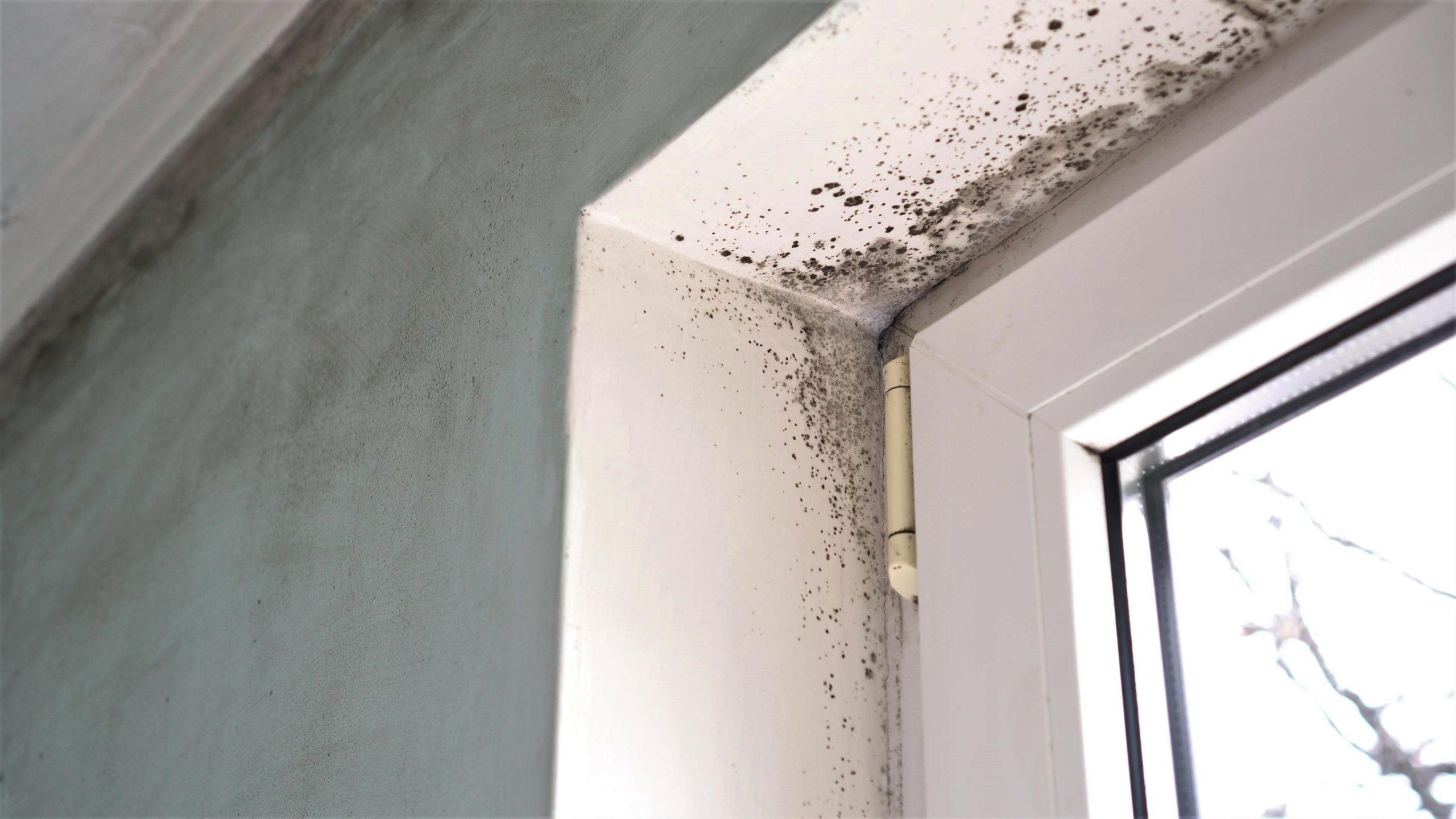
The device captures the excess water vapour in the air and collects it as liquid water in a tank. It lowers the humidity of a room and so limits condensation, musty smells and mould. It is an occasional aid, useful in a utility room, a damp bedroom or after building work, but a dehumidifier does not replace good ventilation.
Where to place the dehumidifier
- set it up towards the middle of the room, or near the source of the damp;
- leave space around the device so the air can move freely;
- keep the room’s doors and windows shut while it runs;
- avoid pushing it right up against a wall or a piece of furniture.
How to use a dehumidifier day to day
To use a dehumidifier well, empty the tank as soon as it is full, or connect a drain hose if the model allows. Clean the filter from time to time to keep a good airflow. Set the humidistat, if it has one, to aim for an ideal humidity level between 40% and 60%: there is no need to dry the air further, this range is enough for comfort.
What a dehumidifier does not do
The device treats the air, not the walls. If the damp comes from an infiltration leak or from rising damp, it will mask the symptoms without fixing the cause. It is also no substitute for airing out for 10 minutes morning and evening, even when you use a dehumidifier daily. In a small enclosed space such as a damp wardrobe, a moisture absorber is often enough, while the appliance is best kept for living rooms.
When it comes in handy
This equipment really shows its worth in specific cases: a utility room where laundry dries, a bedroom that condenses in winter, a freshly renovated room whose renders are still releasing water, or a home shut up during a long absence. In these one-off situations, it brings the excess moisture down while everything settles.
Think about noise and placement too: sitting on a stable surface, a good distance from a bed or a sofa, it is quickly forgotten. Empty the tank over a sink and take the chance to wipe the tray, which prevents bad smells. Finally, keep in mind that reducing the moisture in the air never replaces the search for the cause: if a room turns heavy again as soon as you switch off, a ventilation or sealing issue still needs sorting.
Frequently asked questions
Should you use a dehumidifier all the time?
That is not necessary. Run it in cycles until the humidity reaches a sensible level, then switch it off. A model with a humidistat stops on its own once the right level is reached.
Dehumidifier or airing out, which should you choose?
The two go together. Airing out renews the air and stays essential, while the device also helps when the air is really loaded with moisture. One does not replace the other.