Home 13: geomagnetic monitoring and changing sample conditions
November 18, 2026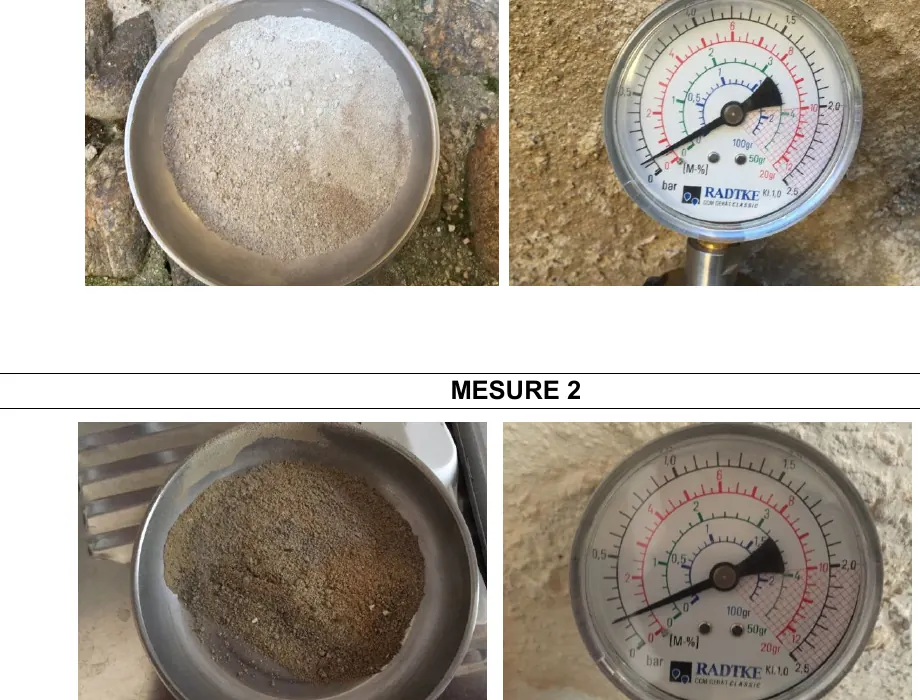
Home 11: GEOSTOP monitoring in stone walls
November 18, 2026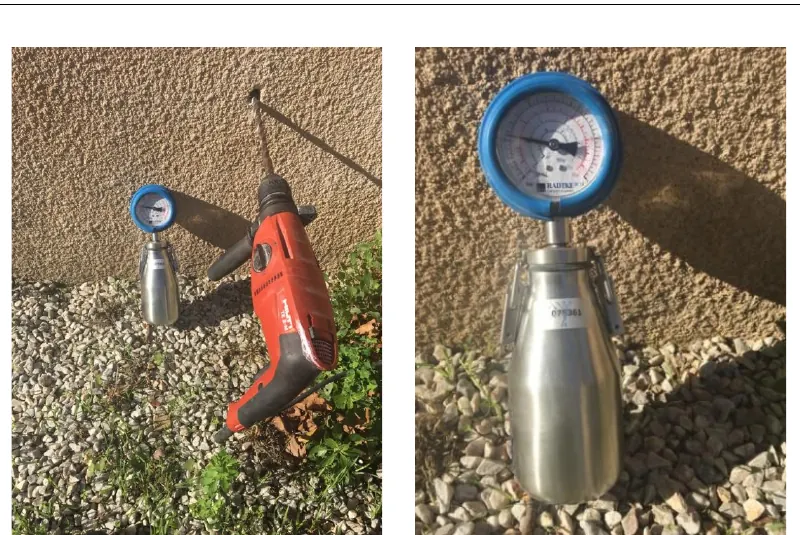
This Humidistop case file brings together the observations available for one building. It is intended to help property owners prepare a project from dated records, the construction materials and the conditions of each sample.
Private-home reference; the owner’s name and address are withheld.
Installation took place on 11 December 2014; the follow-up table is dated 23 October 2017.
Measurements recorded in the report
| Sampling point | Initial record | Follow-up record |
|---|---|---|
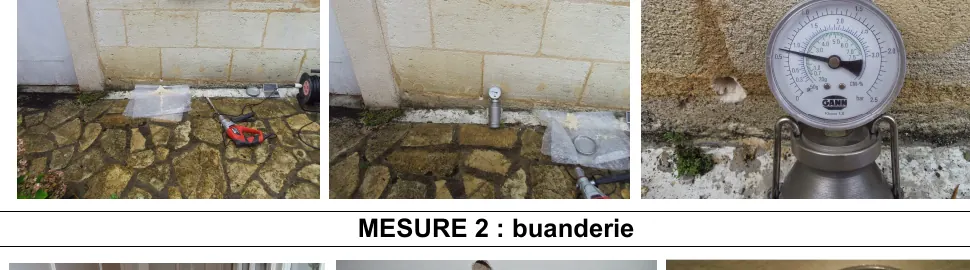
| Garden-side external wall | 3.7 gr | 1.25 gr |
| Road-side external wall | 3.2 gr | Not sampled at follow-up |
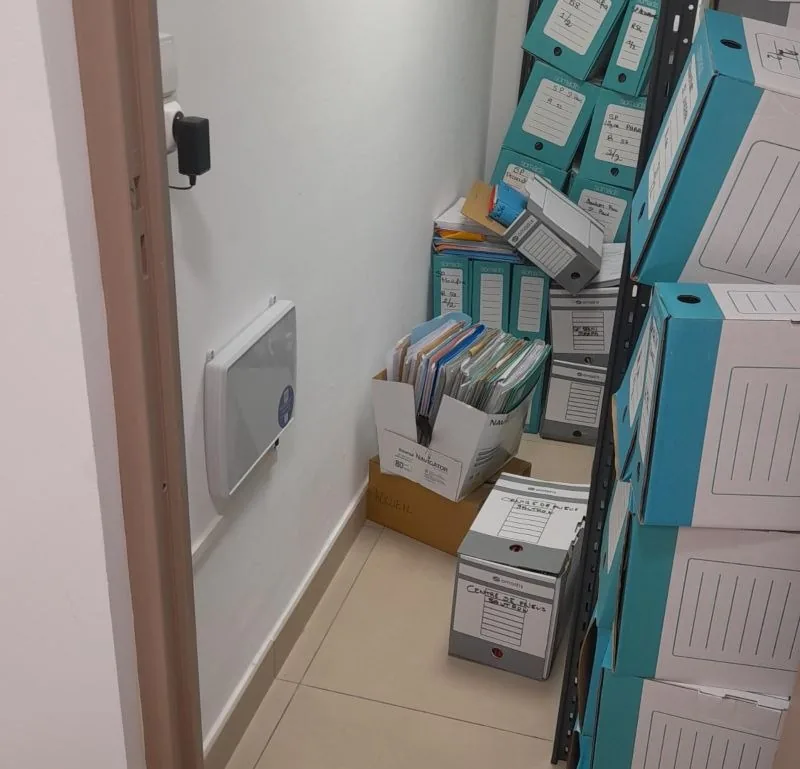
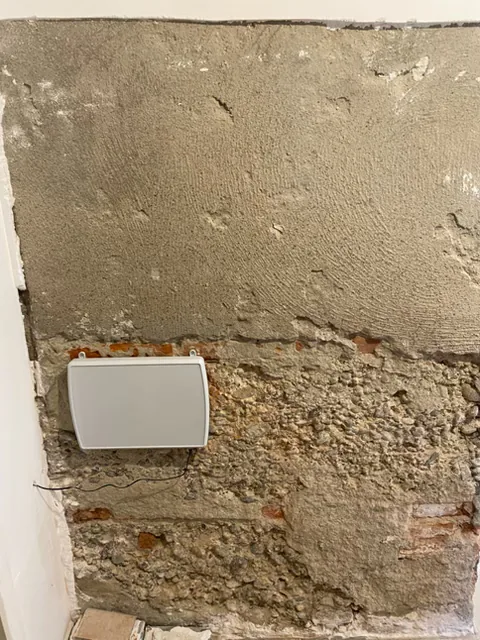
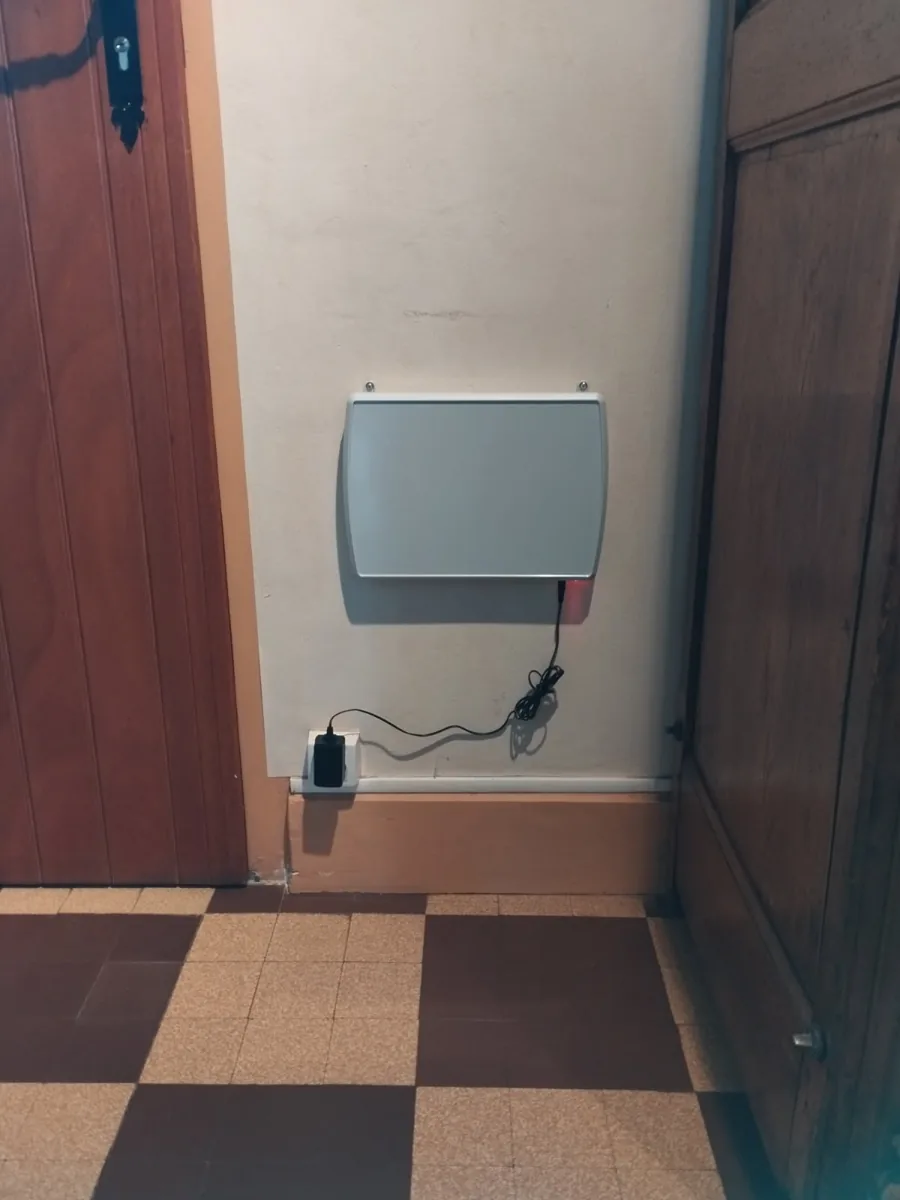
The model recorded is STOP ONE 30. Samples are described as 20 g, taken 30 cm above the floor and 20 cm deep. The second point was not sampled again; no final reading is invented.
How to interpret the follow-up
The report describes drying still in progress and recommends separate work on road-side water penetration, external waterproofing and rainwater disposal.
Preparing the next steps for your building
Before selecting equipment, locate the affected walls on a plan and separate rising damp from rainwater entry, plumbing leaks and condensation. Keep dated photographs and note any changes to gutters, drainage, ventilation or wall finishes. These details matter when discussing coverage and placement.
What can this reference establish?
The figures describe the sampled points and the visits stated in the document. They do not establish a uniform condition throughout a building. Where locations or sample conditions changed, keep that limitation alongside the result. Finishing work should follow the actual condition of the substrate and any salts remaining in it.
How should equipment be compared?
Compare the exact technical reference, its coverage diameter, installation instructions and power requirements. ATE equipment is electromagnetic and uses electricity; ATG equipment is geomagnetic and operates without a mains connection. Keep the historical model in the report distinct from a model currently on sale. Address other water sources as part of the project.
Source: Humidistop site report supplied for this reference. Conclusions are attributed to that document; readings retain their original units and sampling limits.