Damp in the home: a room-by-room observation sheet
October 24, 2026
Wall drying device reviews: separate installation feedback from observed results
October 24, 2026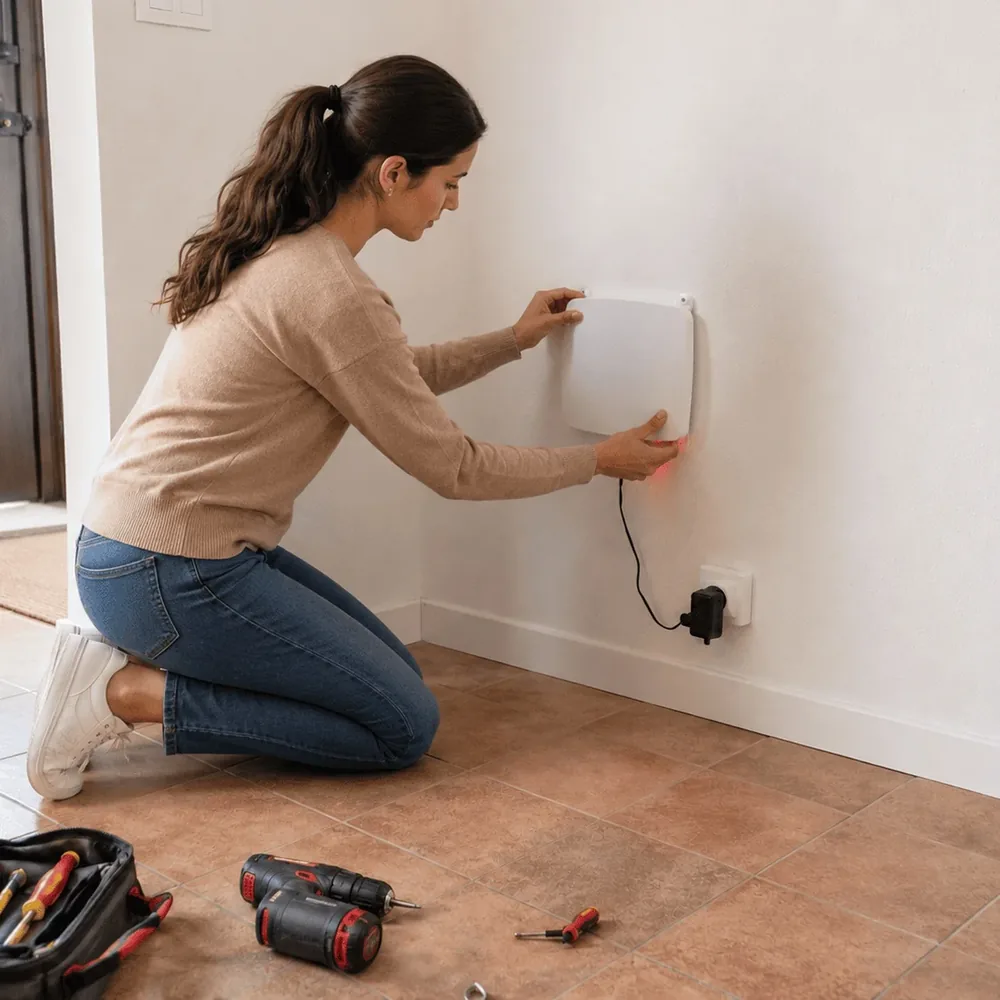
Being able to fix a device yourself can simplify installation arrangements. It does not mean every damp wall needs the same equipment or that diagnosis can be skipped.
Before choosing equipment, prepare a plan and dated photographs. Humidistop provides product pages and instructions so you can examine the reference and positioning before purchase. If the moisture cause remains uncertain, clarify it before deciding on treatment and identify any independent repairs still needed.
Prepare without dismantling
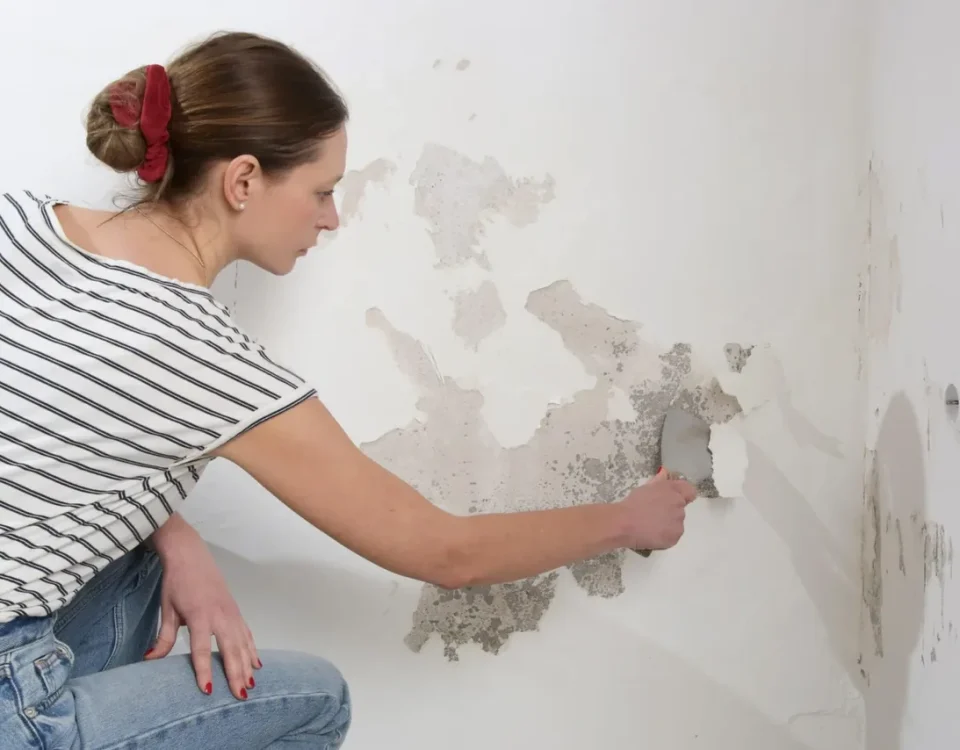
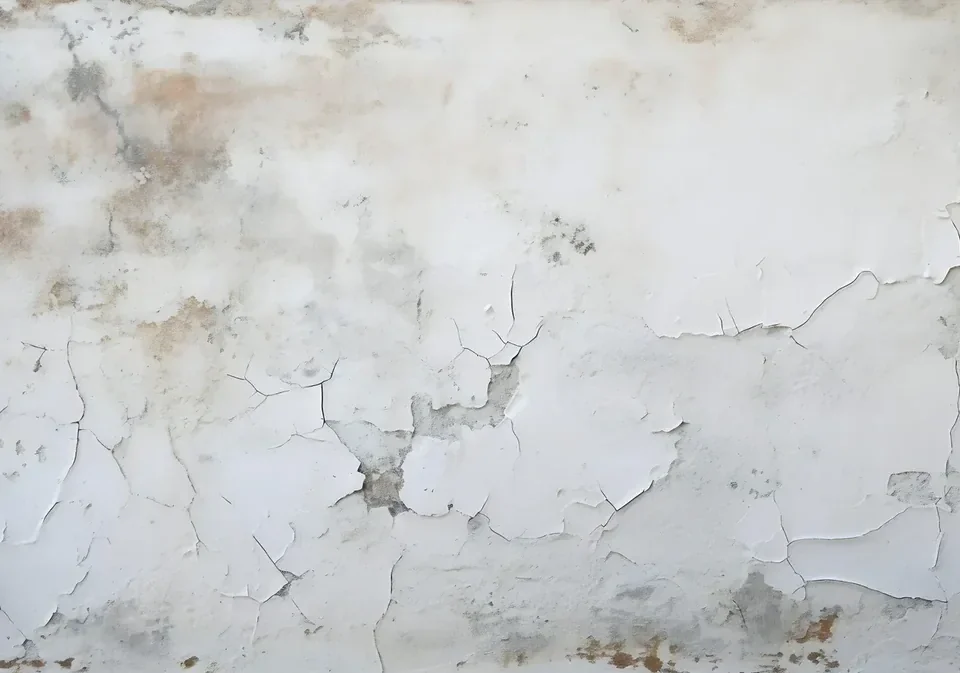
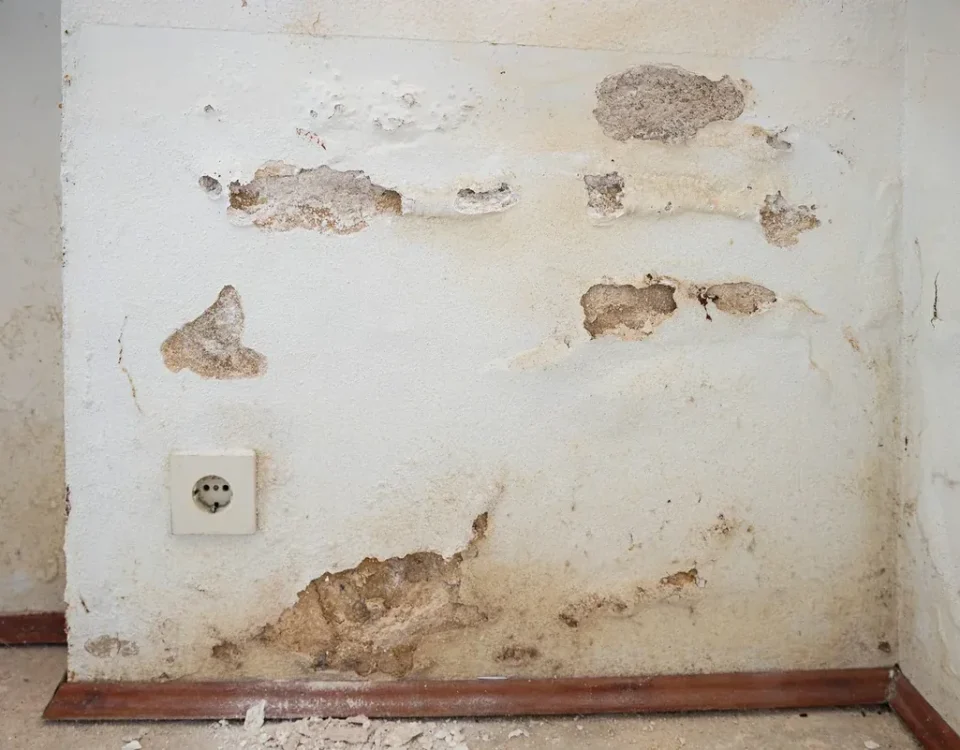
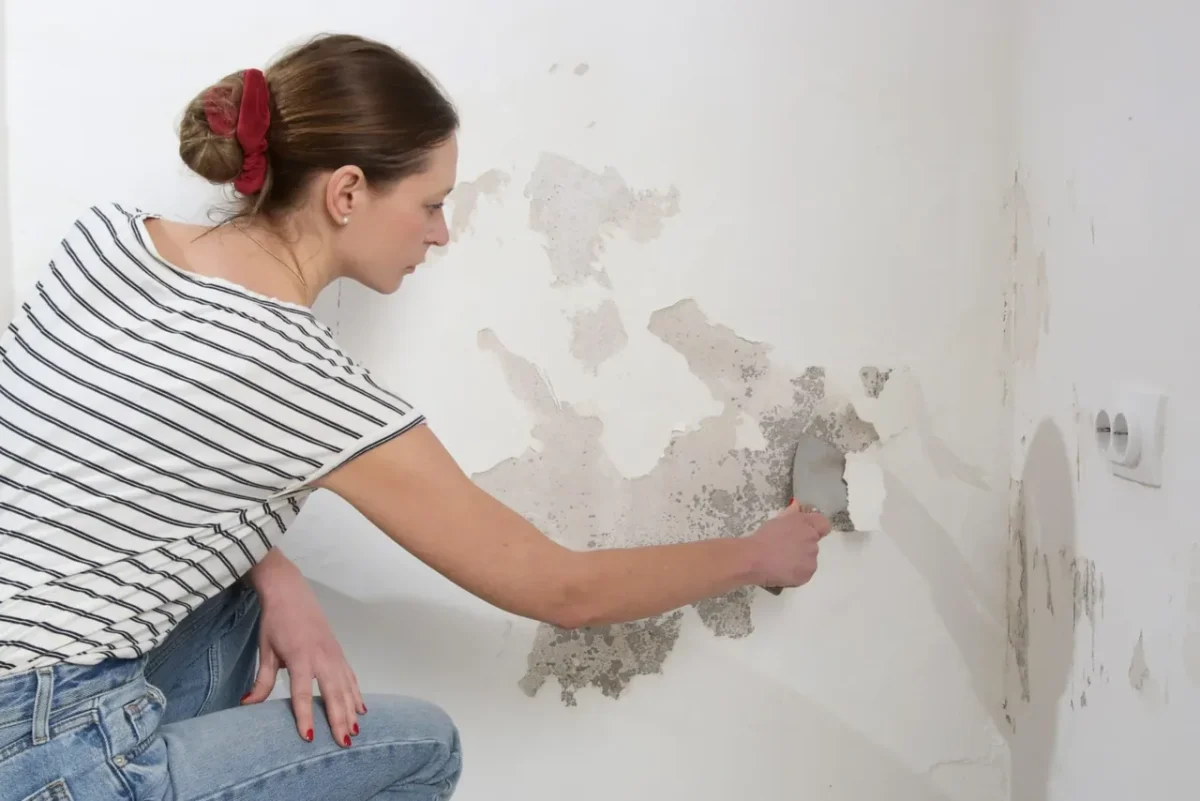
Gather pictures, a timeline and a floor plan. Record visible leaks and changes after rain. Keep any measurements with the method used. Do not dismantle electrical installations or building elements to confirm an assumption. If the cause or substrate is unclear, obtain advice before purchasing and before making fixing holes. The record should distinguish established facts from points still needing investigation.
Follow the documentation and observe
Check positioning, fixings and use of the model received. ATE devices, including ATE LC30 PULSE, require mains power; ATG models work without electricity. There is no line of resin injections to make, but fixing the enclosure may require holes. Keep initial photographs and the installation date. If observations contradict the original diagnosis, have the situation reviewed instead of moving the equipment or accumulating products.
Before you decide
- Document the walls and possible water sources.
- Check the model and installation instructions.
- Separate fitting, monitoring and reinstatement of finishes.
A practical question
Does straightforward fitting remove the need for advice?
No. Easy fixing and appropriate treatment are different questions. Clarify uncertainty about diagnosis, the wall and electricity.
Compare our wall drying devices
The range includes mains-powered ATE LC15, ATE LC30, ATE LC30 PULSE and ATE MAX, alongside ATG LC15 and ATG LC30 without electricity. The devices are manufactured in Castres, France. Compare the diameter with the building layout and follow the instructions. The manufacturer’s 10-year warranty applies under its conditions. The device does not replace independent interventions on leaks, penetrating water or ventilation.
ATE LC15 · ATE LC30 · ATE LC30 PULSE · ATE MAX · ATG LC15 · ATG LC30