
Accueil » Rising Damp – Causes and Solutions
Rising damp
Rising damp is moisture that comes from the ground and gradually rises through porous materials (stone, brick, concrete blocks). It most often appears at the base of walls, both indoors and outdoors, with marks that follow the bottom of the masonry rather than isolated patches.
Typical signs include: continuous tide marks near skirting boards, crumbling plaster, blistering paint, peeling finishes, deteriorating mortar joints, and sometimes whitish deposits (salts/minerals often called “efflorescence” or “salt deposits”). The wall may look “heavy” or saturated and show regular marks up to a limited height, usually developing slowly over time.
This page aims to help you identify the key indicators of rising damp and avoid confusing it with other forms of moisture. For example, water ingress is often more localized (a concentrated stain), while condensation tends to appear on the surface, especially in colder or poorly ventilated areas.
You will also find the essential concepts to understand the phenomenon: capillary action, wall porosity, salt migration, and the visible effects on plaster finishes. Finally, the page outlines the main families of solutions used when moisture is linked to rising damp, including non-invasive wall drying approaches and polarity inversion moisture control devices.
Capillary rising damp
Discover how moisture can seriously affect your home. By causing damp issues, mould, and structural damage, this problem requires prompt action. This comprehensive guide helps you spot early warning signs, understand the root causes, and apply effective solutions to tackle rising damp. Protect your property’s value by taking preventive steps now. With our expert advice, you can restore a healthy home and ensure a safe, dry environment for your family.
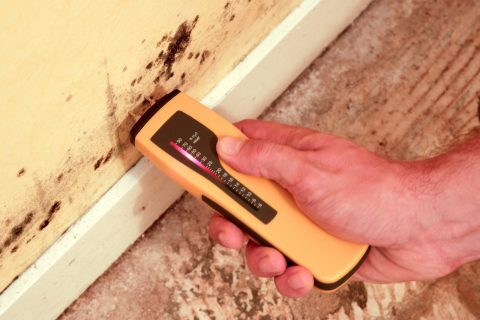
Moisture problems—especially those linked to rising damp—are a serious concern for many homeowners. This guide explores the challenges moisture can cause inside a home and presents effective solutions to treat rising damp, which is often responsible for major damage such as mould, salt stains, visible damp marks, and even structural issues.
Learn how to identify, prevent, and resolve this common problem to protect the integrity of your home and your family’s well-being.
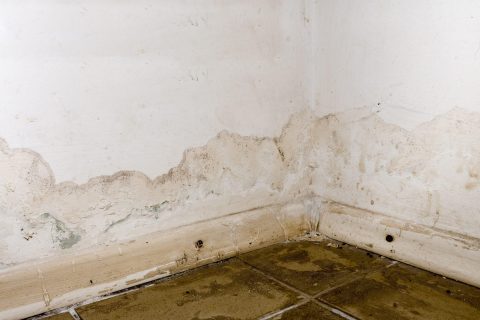
Understanding Moisture
To fully understand rising damp, it’s essential to know how it works and what impact it can have on the structure of your home.
This phenomenon occurs when groundwater rises through porous materials such as concrete, plaster, or brick under the effect of hydrostatic pressure. This rising moisture can gradually weaken foundations and lead to irreversible long-term damage.
Beyond visible issues like stains or wall discoloration, rising damp can compromise the structural integrity of your property.
To avoid costly repairs and preserve your home’s value, early action is essential. Solutions to eliminate rising damp vary depending on the extent and severity of the problem.
Protect Your Home from Moisture
Rising damp refers to the natural migration of water from the ground up into walls through porous materials such as brick or stone. It can cause stains, salt deposits (efflorescence), peeling finishes, and a gradual weakening of the building fabric. This phenomenon should not be confused with water ingress caused by waterproofing failures, or with condensation caused by excessive indoor humidity and poor ventilation. Each type of moisture has a specific origin and requires an appropriate treatment. Accurately identifying the cause is therefore essential to protect the structure of the building and ensure a healthy environment.
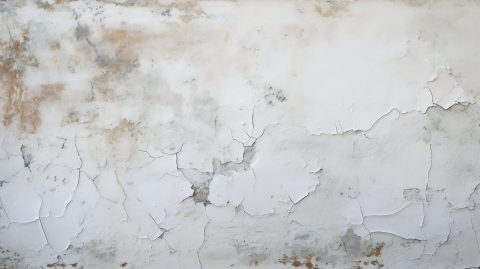
Rising damp is a serious threat to your home’s structural integrity and the comfort of its occupants. By recognising the first warning signs and acting quickly with appropriate preventive and corrective measures, you can effectively protect your property from the harmful effects of rising moisture.
By trusting our team of experts and taking a proactive approach, you help extend the life of your home while maintaining a healthy, dry indoor environment for you and your family.
Don’t let rising damp reduce your property’s value or compromise its strength—take action today to protect your home.


